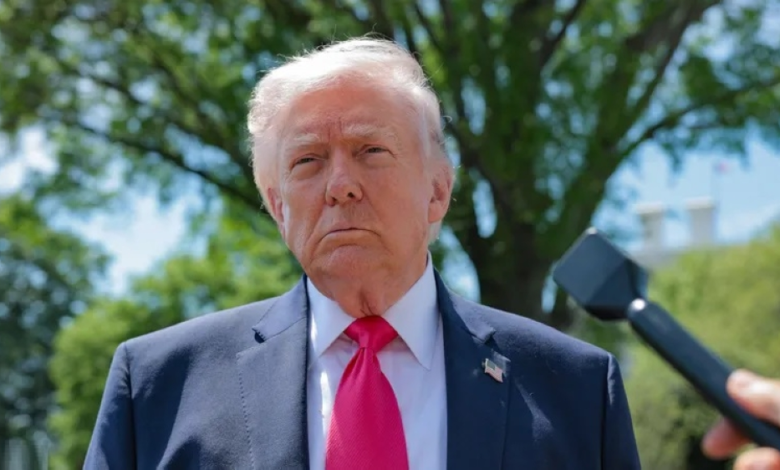

كشف الرئيس الأمريكي السابق دونالد ترامب عن تفاصيل سياسية وعسكرية بالغة الأهمية تتعلق بكواليس التعامل مع طهران، حيث أعلن أن سمو ولي العهد السعودي، وأمير دولة قطر، ورئيس دولة الإمارات العربية المتحدة، قد تواصلوا معه وطلبوا منه تأجيل الهجوم العسكري على إيران الذي كان مقرراً تنفيذه. هذا التصريح يسلط الضوء على الدور المحوري الذي تلعبه الدبلوماسية الخليجية في تجنيب منطقة الشرق الأوسط صراعات عسكرية مفتوحة قد تكون لها عواقب وخيمة.
الموقف الخليجي وأهمية الاستقرار الإقليمي
تأتي هذه التصريحات في سياق تاريخي معقد يتسم بالتوترات المستمرة بين واشنطن وطهران. وتدرك دول الخليج العربي، بحكم موقعها الجغرافي الاستراتيجي، أن أي تصعيد عسكري مباشر أو الهجوم على إيران سيؤدي إلى ارتدادات أمنية واقتصادية واسعة النطاق. تاريخياً، سعت العواصم الخليجية إلى تغليب لغة الحوار والحلول الدبلوماسية لضمان أمن الملاحة في مضيق هرمز والخليج العربي، وحماية البنية التحتية لأسواق الطاقة العالمية التي تعتمد بشكل كبير على استقرار هذه المنطقة الحيوية.
الملف النووي الإيراني: خط أحمر أمريكي
وفي سياق متصل، شدد ترامب في تصريحاته على أن أي اتفاق محتمل مع إيران يجب أن يتضمن شرطاً أساسياً وحاسماً، وهو عدم امتلاك طهران لأي سلاح نووي. يعكس هذا الموقف استمرار السياسة الأمريكية الصارمة تجاه البرنامج النووي الإيراني، والتي تجلت سابقاً في الانسحاب من الاتفاق النووي في عام 2018 وتطبيق سياسة الضغوط القصوى. المجتمع الدولي بأسره يشارك واشنطن هذه المخاوف، حيث تعتبر مسألة تخصيب اليورانيوم الإيراني من أبرز التحديات التي تواجه الأمن والسلم الدوليين.
التوترات الأمنية وعمليات الحرس الثوري
على الصعيد الميداني والأمني، تتواصل التوترات داخل وعلى حدود الأراضي الإيرانية. فقد أعلن الحرس الثوري الإيراني عن تنفيذ عمليات استهداف ضد جماعات مسلحة وصفها بأنها مرتبطة بالولايات المتحدة الأمريكية والاحتلال الإسرائيلي. وتركزت هذه العمليات في محافظة كردستان الواقعة غرب إيران، بالقرب من الشريط الحدودي مع جمهورية العراق.
وأوضح الحرس الثوري في بيان رسمي نقلته وكالة أنباء الطلبة الإيرانية (إيسنا)، أن هذه الجماعات قدمت من مناطق شمال العراق، وكانت تعمل لحساب جهات أجنبية. وادعى البيان أن هذه المجموعات كانت تحاول تهريب شحنة كبيرة من الأسلحة والذخائر الأمريكية إلى الداخل الإيراني بهدف زعزعة الاستقرار. وتعتبر المناطق الحدودية بين إيران وإقليم كردستان العراق نقطة توتر تاريخية، حيث تتهم طهران باستمرار جماعات المعارضة الكردية الإيرانية المتواجدة هناك بتنفيذ عمليات ضد أمنها القومي.
التداعيات الدولية وتأثيرها على أسواق الطاقة
إن تداخل الملفات بين التهديدات العسكرية، والجهود الدبلوماسية الخليجية، والتحركات الميدانية للحرس الثوري، يؤكد أن المشهد الإقليمي يقف على صفيح ساخن. أي خطأ في الحسابات قد يؤدي إلى اشتعال أزمة إقليمية كبرى ستؤثر حتماً على الاقتصاد العالمي، مما يجعل التنسيق المستمر بين القوى الكبرى ودول المنطقة أمراً بالغ الأهمية لضبط إيقاع الأحداث ومنع الانزلاق نحو حرب شاملة.