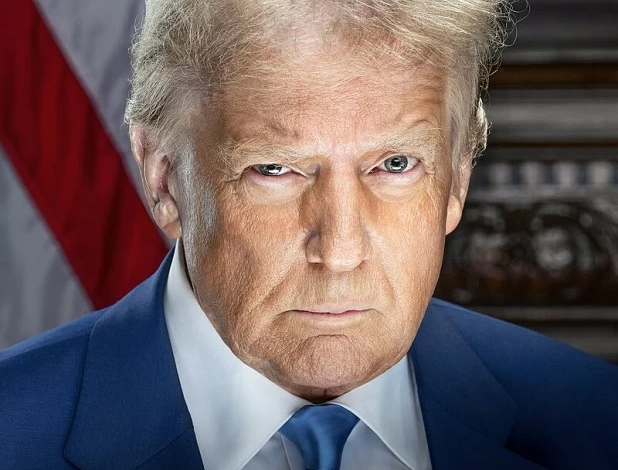
New US tariffs have officially taken effect, with the Trump administration beginning to impose a 10% levy on most goods imported from around the world. This swift move, announced Tuesday evening, is part of the White House's strategy to reshape the US trade agenda following a Supreme Court ruling that struck down a previous, broader set of tariffs.
Details of the decision and legal shift
These new tariffs, mandated by an executive order last Friday, aim to replace what the administration described as an "arbitrary" customs system, as well as amend provisions in trade agreements with major partners. U.S. Customs and Border Protection officials confirmed that the collection of the tariffs struck down by the Supreme Court ruling has effectively ceased, with the new system taking effect at midnight Monday-Tuesday, Washington time, and the 10% surcharge being immediately applied.
Based on the Commercial Code of 1974
In a move to circumvent legal obstacles, the US president based his new decision on the Trade Act of 1974. This law grants the president special powers to intervene in trade policies to restore balance to the balance of payments, in cases where a significant imbalance or large trade deficit is proven to be affecting the national economy. This move is seen as an attempt to reduce the US trade deficit and encourage domestic industries, which aligns with the current administration's "America First" slogan.
Ongoing sectoral exemptions and fees
Despite its comprehensive nature, the decision includes specific exceptions. These new tariffs do not apply to products imported from Canada and Mexico, in accordance with the terms of the North American Free Trade Agreement (NAFTA) that links the economies of the three countries. However, the administration clarified that the new tariffs do not eliminate the so-called "sectoral tariffs" already imposed on specific industries, which range from 10% to 50% and include vital sectors such as copper, automobiles, and lumber. These categories were not affected by the Supreme Court's decision and will continue alongside the new overall tariffs.
Economic repercussions and the international context
This decision comes at a time of global economic uncertainty, with economic analysts believing that imposing comprehensive tariffs could lead to higher production costs within the United States, potentially impacting the prices of final goods for American consumers. The decision also raises concerns about retaliatory measures from major trading partners such as the European Union and China, which could ignite new trade tensions affecting global supply chains. The US administration argues that these measures are necessary to protect national economic security and strengthen Washington's negotiating power in international forums, while investors and financial markets are closely monitoring the impact of these policies on inflation rates and global economic growth in the coming period.