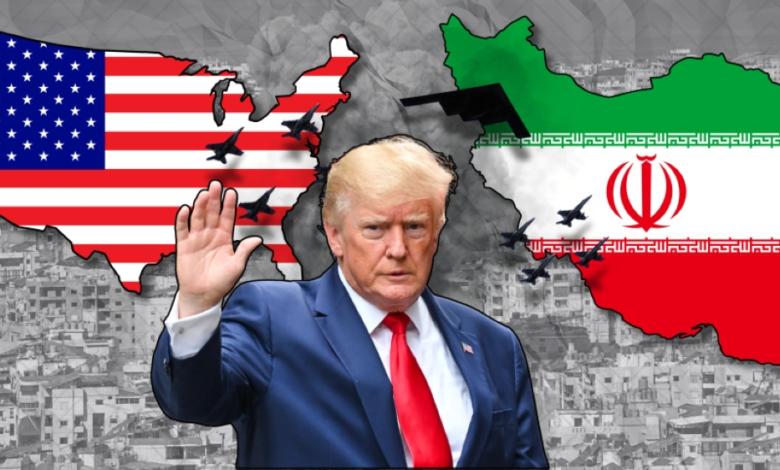

استعدادات عسكرية أمريكية وتصريحات حاسمة
أكد الرئيس الأمريكي دونالد ترامب في تصريحات حاسمة أن “العدو” قد أُنهك تماماً، مشيراً إلى أن الجيش الأمريكي العظيم يأخذ حالياً قسطاً من الراحة استعداداً لأي معركة مقبلة قد تلوح في الأفق. وشدد ترامب على أن القوات الأمريكية ستبقى منتشرة بكثافة بالقرب من إيران حتى يتم التوصل إلى اتفاق حقيقي وشامل يضمن الاستقرار الإقليمي والدولي.
ونقلت قناة “العربية” عبر حسابها الرسمي على منصة “إكس” عن ترامب تأكيده أن جميع السفن الحربية، والمقاتلات الجوية، والعسكريين الأمريكيين، بالإضافة إلى الأسلحة الإضافية، ستبقى متمركزة في مواقعها الاستراتيجية في المنطقة وحول إيران. وأضاف الرئيس الأمريكي بلهجة تحذيرية: “العدو منهك بالفعل في مواقعه داخل إيران وحولها، وسنطلق النار بشكل أكبر وأقوى إذا لم يجرِ الالتزام بالاتفاق”. كما جدد التزامه بمنع طهران من امتلاك أسلحة دمار شامل قائلاً: “لا أسلحة نووية لإيران، ومضيق هرمز سيظل مفتوحاً وآمناً لحركة الملاحة العالمية”. وفي سياق متصل، نفى ترامب صحة ما تداولته بعض وسائل الإعلام حول خطة من 10 نقاط بشأن المفاوضات، معتبراً إياها “خطة ملفقة وزائفة تهدف إلى تشويه سمعة المشاركين في عملية السلام”.
السياق التاريخي للتوترات الأمريكية الإيرانية
تأتي هذه التصريحات في سياق تاريخي معقد من التوترات المستمرة بين واشنطن وطهران. فمنذ انسحاب الولايات المتحدة من الاتفاق النووي (خطة العمل الشاملة المشتركة) في عام 2018 خلال الولاية الأولى لترامب، اعتمدت الإدارة الأمريكية سياسة “الضغوط القصوى” التي شملت عقوبات اقتصادية قاسية. هذه الخلفية تجعل من أي مفاوضات حالية أو مستقبلية محط أنظار العالم، حيث تسعى واشنطن لتقليم أظافر النفوذ الإيراني في الشرق الأوسط ومنعها من الوصول إلى العتبة النووية، في حين تبحث طهران عن تخفيف وطأة العقوبات التي أثقلت كاهل اقتصادها.
مصير الهدنة وتباين الرؤى حول لبنان
من جهة أخرى، صرح نائب الرئيس الأمريكي، جي دي فانس، بأن مصير الهدنة الحالية يعتمد بشكل أساسي على تصرفات طهران. ودعا فانس القيادة الإيرانية إلى عدم السماح بانهيار اتفاق وقف إطلاق النار “الهش”، والذي تأثر مؤخراً بالهجمات الإسرائيلية على لبنان. وتأتي هذه التصريحات قبل أيام قليلة من قيادة فانس لمحادثات مرتقبة مع طهران في العاصمة الباكستانية.
وفي ظل التباين في الرؤى، أشار الرئيس الإيراني مسعود بزشكيان إلى أن وقف إطلاق النار في لبنان يُعد من الشروط الأساسية في خطة طهران المكونة من 10 نقاط، والتي تشكل أساس الهدنة مع الولايات المتحدة. إلا أن فانس أوضح وجود “سوء فهم” في هذا الجانب، مؤكداً: “أعتقد أن الإيرانيين اعتقدوا أن وقف إطلاق النار يشمل لبنان، لكنه لا يشمله، ولم نقطع وعداً بذلك إطلاقاً”.
التأثير الإقليمي والدولي وعواقب خرق الاتفاق
تحمل هذه التطورات أهمية بالغة وتأثيراً متوقعاً على المستويات المحلية والإقليمية والدولية. إقليمياً، يرتبط الاستقرار في لبنان والخليج العربي بشكل مباشر بنتائج هذه المفاوضات، حيث تلعب الفصائل المسلحة المدعومة من إيران دوراً كبيراً في المشهد. دولياً، يُعد مضيق هرمز شرياناً حيوياً يمر عبره نحو خُمس استهلاك العالم من النفط، وأي تهديد بإغلاقه أو تعطيل الملاحة فيه سيؤدي إلى صدمة في أسواق الطاقة العالمية والاقتصاد الدولي.
وحذر فانس من عواقب وخيمة، مشيراً إلى أن ترامب يتوقع وفاء إيران بوعدها بفتح مضيق هرمز أمام عبور النفط. وأضاف بصرامة: “إذا أخلوا بالتزامهم في هذه الصفقة، فسيواجهون عواقب خطيرة للغاية”. ومن المقرر أن يقود فانس وفد الولايات المتحدة للمفاوضات في باكستان يوم السبت المقبل. وسيتضمن الوفد شخصيات بارزة، من بينها المبعوث الأمريكي الخاص ستيف ويتكوف، وجاريد كوشنر، صهر ترامب، وفقاً لما أوضحته المتحدثة باسم البيت الأبيض كارولين ليفيت. وقد ألمح البيت الأبيض في وقت سابق إلى أن هذه المحادثات في إسلام آباد قد تكون مباشرة بين الطرفين، مما يمثل تحولاً دبلوماسياً مهماً في مسار العلاقات الأمريكية الإيرانية.