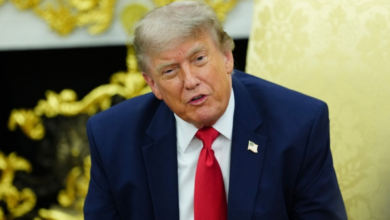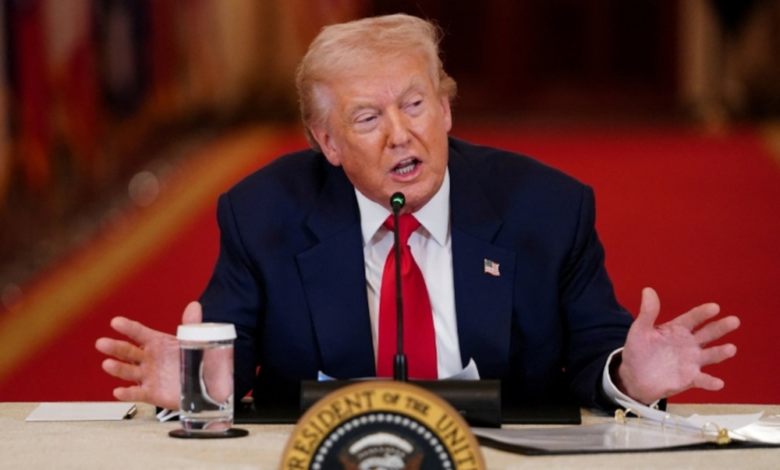

أكد الرئيس الأمريكي السابق دونالد ترامب أن إدارته نجحت في الحصول على تعهدات واضحة من إيران بعدم السعي لامتلاك سلاح نووي، وهو ما اعتبره انتصارًا لسياسته الخارجية القائمة على “الضغط الأقصى”. وفي مقابلة أجريت معه عبر قناة “فوكس نيوز”، شدد ترامب على أن طهران وافقت على عدم شراء أو تصنيع أسلحة نووية، معتبرًا ذلك نقطة تحول مهمة في المفاوضات غير المباشرة التي تهدف إلى تحقيق الاستقرار في منطقة الشرق الأوسط.
وصرح ترامب قائلًا: “لقد حصلنا على ضمانات من طهران بأنها لن تمتلك سلاحًا نوويًا، لا شراءً ولا تصنيعًا. لقد وافقوا على ذلك، وكان ذلك مثيرًا للاهتمام”. وأضاف بثقة: “لست في عجلة من أمري، ببطء ولكن بثبات، أعتقد أننا نحصل على ما نريد، وإن لم نحصل على ما نريد، فستسير الأمور بطريقة مختلفة”. تعكس هذه التصريحات استراتيجيته التي اعتمدت على فرض عقوبات اقتصادية قاسية لإجبار إيران على العودة إلى طاولة المفاوضات بشروط أمريكية.
السياق التاريخي: من الاتفاق النووي إلى الضغط الأقصى
تأتي تصريحات ترامب في سياق متوتر ومعقد للعلاقات الأمريكية-الإيرانية. ففي عام 2015، تم التوصل إلى الاتفاق النووي الإيراني (خطة العمل الشاملة المشتركة – JCPOA) بين إيران ومجموعة دول (5+1)، والذي قضى بتقييد برنامج طهران النووي مقابل رفع العقوبات الدولية عنها. إلا أن الرئيس ترامب، الذي كان من أشد منتقدي الاتفاق، أعلن في مايو 2018 انسحاب الولايات المتحدة منه بشكل أحادي، واصفًا إياه بأنه “أسوأ اتفاق على الإطلاق”.
عقب الانسحاب، أعادت إدارة ترامب فرض عقوبات اقتصادية صارمة على إيران، وأطلقت ما عُرف بسياسة “حملة الضغط الأقصى”. هدفت هذه الحملة إلى شل الاقتصاد الإيراني وإجباره على التفاوض على اتفاق جديد أكثر شمولًا، لا يغطي فقط البرنامج النووي، بل يشمل أيضًا برنامج الصواريخ الباليستية الإيرانية ونفوذها الإقليمي في دول مثل سوريا والعراق واليمن ولبنان.
الأهمية والتأثيرات الإقليمية والدولية
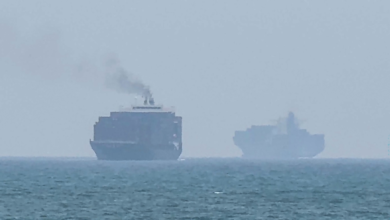
كان لقرار الانسحاب من الاتفاق النووي وتصريحات ترامب اللاحقة تأثيرات عميقة على المستويات الإقليمية والدولية. على الصعيد الإقليمي، رحبت دول حليفة للولايات المتحدة مثل المملكة العربية السعودية وإسرائيل بسياسة الضغط الأقصى، حيث كانت تشاركان واشنطن مخاوفها من الطموحات النووية الإيرانية ودورها المزعزع للاستقرار في المنطقة. في المقابل، أدت هذه السياسة إلى تصعيد التوترات في منطقة الخليج، مع وقوع حوادث استهدفت ناقلات نفط ومنشآت حيوية.
دوليًا، أدى الموقف الأمريكي إلى توتر العلاقات مع الحلفاء الأوروبيين (بريطانيا، فرنسا، وألمانيا) الذين كانوا أطرافًا في الاتفاق وسعوا جاهدين لإنقاذه. لقد رأوا أن الاتفاق، رغم عيوبه، يظل أفضل وسيلة لمنع إيران من تطوير سلاح نووي. وبهذا، شكلت سياسة ترامب تحديًا للنظام الدبلوماسي متعدد الأطراف، وأبرزت الانقسام بين واشنطن وحلفائها التقليديين حول كيفية التعامل مع الملف الإيراني، وهو انقسام لا تزال أصداؤه مستمرة حتى اليوم.