Trump: Iran will not possess a nuclear weapon and is now militarily incapable

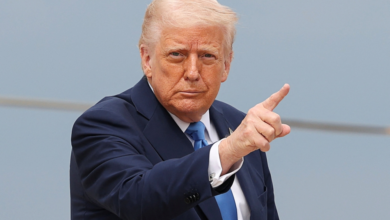
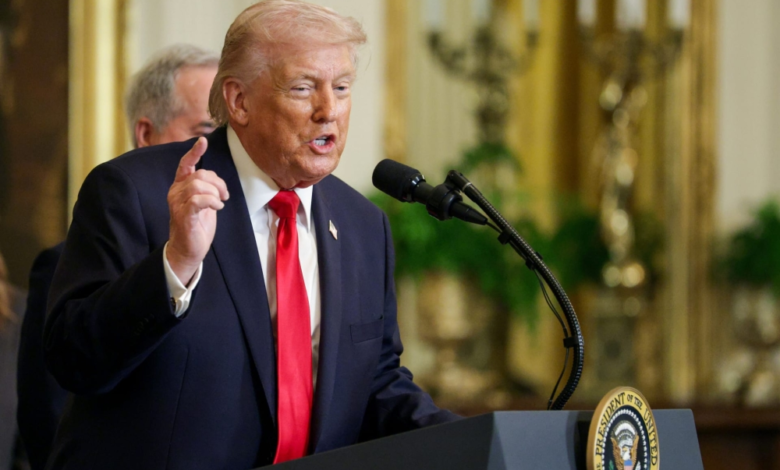
In firm statements reflecting escalating tensions in the Middle East, US President Donald Trump that Tehran will never possess a nuclear weapon, indicating that it has lost its capacity to launch any effective military action. Trump clarified that the conflict with Iran will continue as long as necessary to protect national security, emphasizing that the strategic objectives of the United States and Israel in confronting Iranian threats are virtually identical.
Historical context: Maximum pressure strategy
These statements come within a long history of ongoing tension between Washington and Tehran. In 2018, the US administration made the decisive move of withdrawing from the Iran nuclear deal, adopting a “maximum pressure” strategy. This strategy included imposing harsh economic sanctions targeting vital sectors, most notably oil and the banking system, which effectively strangled the Iranian economy, limited Tehran’s ability to fund its proxy militias in the region, and delayed its pursuit of developing nuclear weapons —an objective that Washington has long considered a red line that cannot be crossed under any circumstances.
The strategic importance of the Strait of Hormuz and Kharg Island
In his remarks, Trump addressed the critical strategic importance of the Strait of Hormuz , the vital waterway through which roughly one-fifth of the world's oil supply passes. He announced future plans to escort commercial vessels through the strait to ensure freedom of navigation. In a notable reference to military operations, he revealed that major attacks had targeted Kharg Island , a key hub for Iranian oil exports that handles the vast majority of the country's crude shipments abroad.
Trump confirmed that he deliberately chose not to destroy the island's oil infrastructure at this time, but issued a strongly worded warning that he might destroy it completely if Tehran tried to disrupt navigation or threaten the safety of the Strait of Hormuz.
Regional and international repercussions and their impact on energy markets
These statements have far-reaching regional and international implications, which can be summarized in the following points:
- On a regional level: These positions reinforce US-Israeli coordination and reassure Washington's allies in the Arabian Gulf of their firm commitment to protecting the security of strategic waterways from any interference.
- On the international level: Control of tensions in the Strait of Hormuz has a direct impact on global energy markets. Trump predicted a significant drop in energy prices soon after the conflict ends and complete dominance is established.
Call for the Iranian army
In closing, Trump directly called on the Iranian military to lay down its arms and salvage what remains of their country, emphasizing that Tehran is now completely incapable of defending itself or threatening the United States, the Middle East, or the world. This stance reflects a persistent American determination to contain Iran's role and prevent Tehran from reaching the nuclear threshold at any cost, leaving the Iranian leadership with difficult choices amidst its declining military and economic capabilities and increasing international isolation.