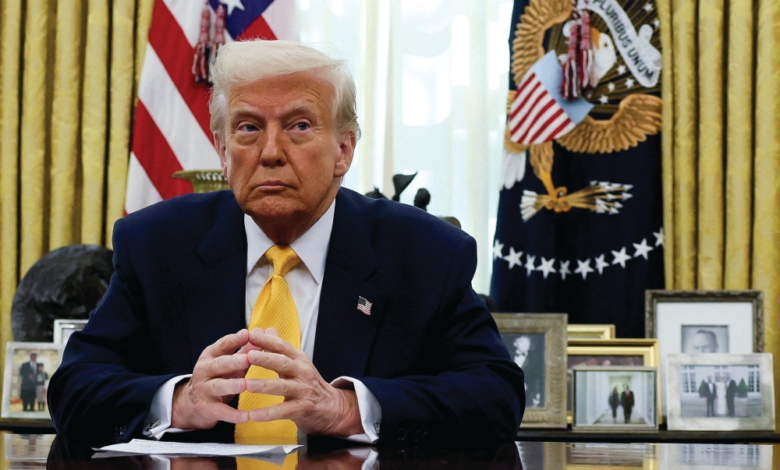

في تصعيد جديد للهجة الخطاب السياسي والعسكري ضد طهران، صرح الرئيس الأمريكي دونالد ترامب بأن تغيير نظام الحكم في إيران يمثل "أفضل ما يمكن أن يحدث"، وذلك تزامناً مع قراره الاستراتيجي بإرسال حاملة طائرات ثانية إلى منطقة الشرق الأوسط، مما ينذر بمرحلة جديدة من التوتر في المنطقة.
تصريحات نارية من قاعدة فورت براغ
جاءت تصريحات الرئيس الأمريكي خلال حديثه للصحفيين في قاعدة "فورت براغ" العسكرية بولاية كارولاينا الشمالية. ورداً على سؤال مباشر حول ما إذا كانت إدارته تسعى فعلياً إلى "تغيير النظام" في طهران، لم يتردد ترامب في القول: "يبدو أن ذلك هو أفضل ما يمكن أن يحدث". يعكس هذا التصريح تحولاً أو ربما إفصاحاً أكثر وضوحاً عن النوايا الأمريكية تجاه القيادة الإيرانية الحالية، متجاوزاً لغة العقوبات الاقتصادية إلى التلميح بتغيير سياسي جذري.
سياق "الـ 47 عاماً" والعلاقات المتوترة
أشار ترامب في حديثه إلى فترة زمنية محددة قائلاً: "منذ 47 عاماً، وهم يتحدثون ويتحدثون ويتحدثون. في الأثناء، فقدنا الكثير من الأرواح". يشير هذا الإطار الزمني بوضوح إلى تاريخ العلاقات المضطربة بين الولايات المتحدة وإيران، والتي شهدت تدهوراً حاداً منذ الثورة الإسلامية في عام 1979 وأزمة الرهائن الشهيرة. يرى ترامب أن العقود الماضية لم تشهد سوى مفاوضات غير مجدية من وجهة نظره، أدت إلى استنزاف الموارد وتهديد المصالح الأمريكية وحلفائها في المنطقة دون الوصول إلى حلول جذرية تضمن الأمن والاستقرار.
التحشيد العسكري وسياسة الضغط الأقصى
لا يمكن فصل هذه التصريحات السياسية عن التحركات العسكرية على الأرض. فقد أمر الرئيس الأمريكي بتوجيه حاملة طائرات ثانية إلى الشرق الأوسط، في خطوة تعزز الوجود العسكري الأمريكي في مياه الخليج وبحر العرب. يندرج هذا التحرك ضمن استراتيجية "الضغط الأقصى" التي تبنتها واشنطن، والتي تهدف إلى محاصرة إيران اقتصادياً وعسكرياً لإجبارها على الجلوس إلى طاولة المفاوضات بشروط جديدة، أو مواجهة عواقب وخيمة قد تصل إلى انهيار النظام من الداخل أو عبر ضغوط خارجية.
التداعيات الإقليمية والدولية المحتملة
يثير هذا التصعيد مخاوف واسعة النطاق على المستويين الإقليمي والدولي. فمن جهة، تنظر دول المنطقة بقلق إلى احتمالية اندلاع مواجهة عسكرية مفتوحة قد تؤثر على أمن الطاقة وحركة الملاحة في مضيق هرمز الاستراتيجي. ومن جهة أخرى، يراقب المجتمع الدولي، وخاصة الحلفاء الأوروبيين، هذه التطورات بحذر، خشية أن يؤدي التصعيد الكلامي والعسكري إلى نقطة اللاعودة، مما قد يجر المنطقة بأسرها إلى صراع طويل الأمد. تأتي هذه التطورات لتضع الملف الإيراني مرة أخرى على رأس أولويات السياسة الخارجية العالمية، وسط ترقب لما ستسفر عنه الأيام المقبلة من ردود فعل إيرانية أو خطوات أمريكية إضافية.