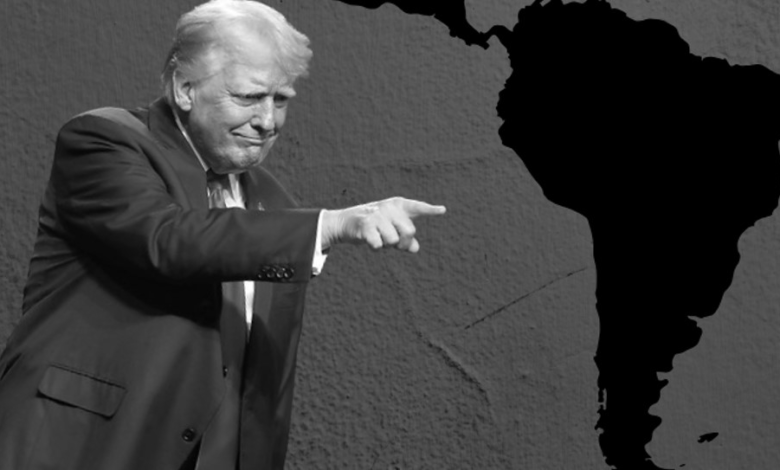

أعلن مسؤول رفيع في البيت الأبيض أن الرئيس الأمريكي دونالد ترامب بصدد استضافة قمة هامة تجمع عدداً من قادة دول أمريكا اللاتينية في مدينة ميامي، وذلك في السابع من شهر مارس المقبل. وتأتي هذه الخطوة في توقيت حساس للغاية تشهده القارة، حيث تسعى واشنطن لإعادة ترتيب أوراقها في الحديقة الخلفية للولايات المتحدة.
قائمة الحضور ودلالات الغياب
رغم أن المصدر لم يفصح عن كافة التفاصيل الدقيقة للاجتماع، إلا أن التوقعات تشير بقوة إلى حضور رؤساء الدول التي تربطها علاقات وثيقة ومتميزة مع الإدارة الأمريكية الحالية، وعلى رأسهم رؤساء الأرجنتين، وباراغواي، وبوليفيا، والسلفادور، والإكوادور، وهندوراس. في المقابل، يبرز غياب قادة دول محورية أخرى مثل البرازيل وكولومبيا والمكسيك، مما يعكس فتوراً في العلاقات الدبلوماسية وتوتراً مكتوماً بين واشنطن وهذه العواصم في المرحلة الراهنة، وهو ما يشير إلى انقسام جيوسياسي واضح في القارة اللاتينية.
تداعيات الملف الفنزويلي
تُعقد هذه القمة في ظل أجواء مشحونة، حيث تأتي بعد شهرين فقط من العملية العسكرية الأمريكية في فنزويلا، والتي أحدثت زلزالاً سياسياً في المنطقة بأسفرها عن اعتقال الرئيس نيكولاس مادورو. هذا الحدث المفصلي أعاد تشكيل موازين القوى، وفرض واقعاً جديداً يستدعي من واشنطن التنسيق المباشر مع حلفائها لضمان استقرار المنطقة ومنع حدوث فراغ أمني قد تستغله قوى مناوئة.
مواجهة التنين الصيني: أولوية قصوى
توقعت تقارير إعلامية، لا سيما في الصحافة الأرجنتينية، أن تتصدر قضية "النفوذ الصيني" جدول أعمال المحادثات. وتنظر الولايات المتحدة بقلق متزايد إلى التمدد الاقتصادي لبكين في أمريكا الجنوبية عبر مشاريع البنية التحتية والاستثمارات الضخمة ضمن مبادرة الحزام والطريق. ومن المتوقع أن يضغط ترامب على القادة اللاتينيين للحد من هذا التعاون، مقدماً وعوداً بشراكات اقتصادية بديلة تضمن بقاء القارة ضمن المظلة الأمريكية.
استراتيجية الأمن القومي الجديدة
يرتكز هذا الحراك الدبلوماسي على "استراتيجية الأمن القومي الجديدة" التي تتبناها إدارة ترامب، والتي تعطي أولوية قصوى للمحيط الإقليمي القريب للولايات المتحدة. تهدف هذه الاستراتيجية إلى تحصين نصف الكرة الغربي من التدخلات الخارجية، سواء كانت سياسية أو عسكرية، وإعادة إحياء مبادئ تشبه "مبدأ مونرو" ولكن بصيغة عصرية تهدف للتصدي للنفوذ الأجنبي وضمان أن تظل القرارات الاستراتيجية في أمريكا اللاتينية متناغمة مع مصالح الأمن القومي الأمريكي.