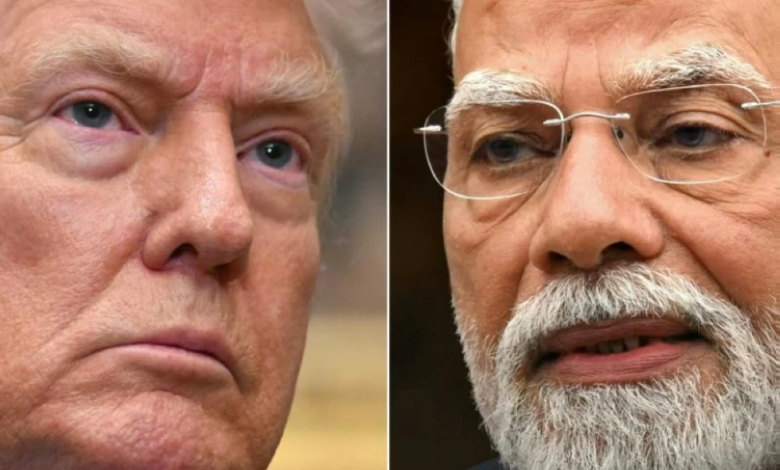

In a move described as a radical shift in international economic relations and energy markets, US President Donald Trump announced a sweeping trade agreement with India. This agreement, reached after high-level talks with Indian Prime Minister Narendra Modi, carries significant implications that could reshape economic alliances, including an Indian commitment to completely halt imports of Russian oil.
Details of the agreement: Oil in exchange for customs facilities
On Monday, President Trump revealed details of the new deal reached during a phone call with Modi. Under the agreement, New Delhi agreed to shift away from Russian energy sources and instead increase its imports of American oil. Trump also hinted that the agreement includes exploring the possibility of compensating for the shortfall by importing oil from Venezuela, suggesting potential American flexibility on sanctions to ensure stable energy supplies for its Asian ally.
In return, Washington offered tangible economic incentives, with Trump confirming that the United States would reduce tariffs on Indian imports from 25% to 18%. This move, he stated, was a gesture of "recognition of the friendly and respectful relationship" between the two nations, contingent upon India reciprocating by eliminating tariffs on American products, thus paving the way for smoother trade flows between the two economic giants.
Background: The end of the era of "cheap oil"
To understand the significance of this shift, one must consider the broader context of the past few years. Since the outbreak of the Russian-Ukrainian war and the imposition of Western sanctions on Moscow, India has become one of the largest importers of Russian crude oil, benefiting from the substantial price discounts Russia offered to circumvent the sanctions. This oil flow has been a lifeline for the Russian economy and a source of low-cost energy for India, the world's third-largest oil consumer. Therefore, Modi's decision to halt these imports represents a strategic shift in Indian policy and a clearer alignment with the West on energy issues.
Expected economic and geopolitical impacts
The impact of this agreement extends beyond the energy sector to encompass the structure of bilateral trade. Trump emphasized that the agreement opens the door for India to purchase over $500 billion worth of American goods, a substantial figure that would significantly alter the trade balance between the two countries and boost the growth of American exports.
Geopolitically, this agreement deals a significant blow to Russia's efforts to diversify its markets away from Europe, where it has relied heavily on the Indian and Chinese markets. The agreement also strengthens the strategic partnership between Washington and New Delhi, potentially further isolating Moscow economically and reinforcing the United States' role as a dominant player and a key guarantor of global energy security.