Trump offers immunity to the Revolutionary Guard and calls on them to surrender

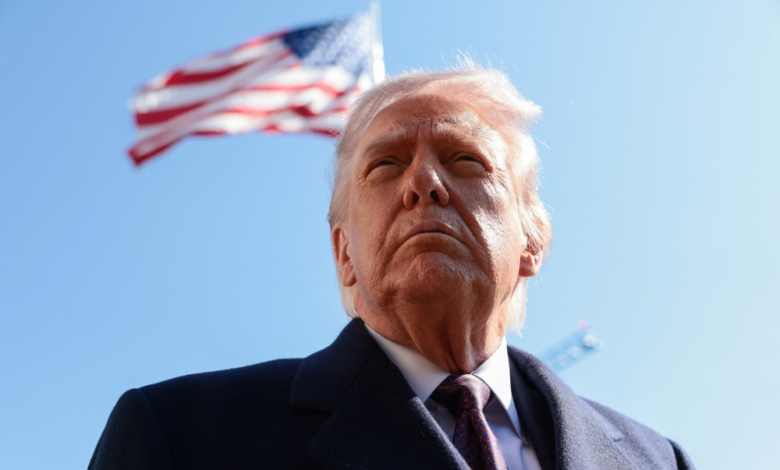
In an unprecedented escalation of military and political rhetoric towards Tehran, US President Donald Trump a direct and surprising call to members of the Iranian Revolutionary Guard , army forces, and police in Iran, urging them to immediately lay down their weapons and not engage in a losing confrontation with US forces.
In an interview with ABC News , Trump made a tempting offer to Iranian forces, pledging "full immunity" to any member of the Revolutionary Guard or the army who decides to lay down their arms and defect from the regime. The US president didn't stop there; he extended his invitation to Iranian diplomats around the world, advising them to seek political asylum immediately, a clear indication of his conviction that the current regime in Tehran is on the verge of collapse.
Heavy military losses and systematic destruction
In showcasing American military power, Trump revealed precise operational details regarding the extent of the losses recently inflicted on Iran. The US president asserted that American strikes successfully destroyed more than 22 Iranian naval vessels , in addition to destroying 58% of Iran's missile launch sites , noting that the military operations were proceeding faster than planned.
Trump added firmly, "No one can threaten the United States. We possess the greatest military force in history, and we had no choice but to launch devastating strikes against Iran." He asserted that these strikes set Iran back 10 years in terms of military capabilities and strategic infrastructure, emphasizing that the operations would only cease upon his personal order.
Strategic context and dimensions of psychological warfare
These statements come at a time of unprecedented tension in US-Iranian relations, with Trump pursuing a "maximum pressure" strategy that extends beyond economic sanctions to include surgical military operations and psychological warfare. The call for regular and paramilitary forces (the Revolutionary Guard) to surrender in exchange for immunity is unprecedented in dealings with the Iranian military establishment and aims to create internal divisions and undermine the morale of Iranian forces.
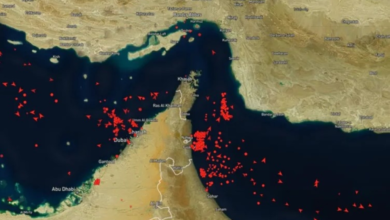
Observers believe that Trump's focus on destroying Iran's missile and naval capabilities aims to neutralize its main deterrents in the Strait of Hormuz and the region, thus depriving Tehran of its regional leverage. His remarks about diplomats also suggest a US effort to isolate the regime internationally and remove its representatives abroad.
Messages that go beyond Tehran
Trump's fiery rhetoric wasn't limited to the Iranian issue; it extended to include hints about other thorny matters. He stated, "We want to resolve the Iran issue first, and as for Cuba, it's only a matter of time." This statement reflects an American tendency to impose a new geopolitical reality that extends beyond the Middle East to America's immediate neighborhood, confirming the US administration's determination to resolve outstanding issues through military force and deterrence.
These rapid developments indicate that the region may be on the verge of radical changes in the balance of power, as Washington seeks, through these intensive strikes, to prevent Iran from rebuilding its military strength for many years to come, and to ensure that it does not pose any threat to American interests or to Washington’s allies in the region.