
Trump's statements regarding the future of global oil prices
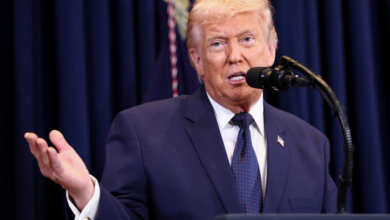
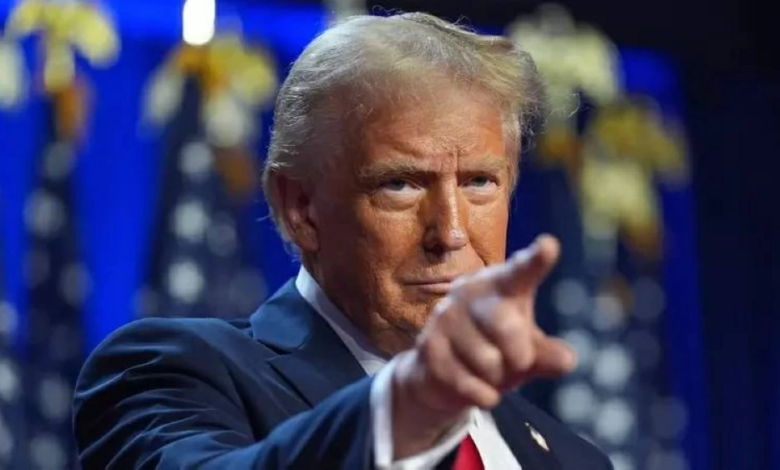
Amidst the ongoing geopolitical escalation in the Middle East, former US President Donald Trump declared that oil prices would plummet once the current war ends. These remarks come at a time of heightened anticipation and caution in global energy markets due to the escalating tensions between the United States and Israel on one side, and Iran on the other. Trump expressed his readiness to take decisive action, including disabling Iranian power plants if necessary, indicating that such a precise military operation could be executed in as little as an hour.
The importance of Iran's Kharg Island and avoiding infrastructure destruction
In a television interview with the American network PBS, Trump revealed details of a strategy concerning Iranian targets, explaining that "Iran's Kharg Island is out of commission except for its oil infrastructure." He emphasized that the decision was made deliberately not to destroy this vital infrastructure to avoid years of reconstruction and avert a devastating global energy crisis. Kharg Island is historically the main artery for Iranian oil exports, with more than 90% of Tehran's crude oil exports to global markets passing through it. Trump added that he had sent a clear message to Iran that he would strike the island again if necessary, noting that Tehran is showing a desire to reach a political deal, but is not yet fully prepared for it.
Securing the Strait of Hormuz: The Global Energy Artery
Internationally and regionally, the Strait of Hormuz stands out as one of the world's most strategically important waterways. In this context, Trump announced that his administration is holding intensive talks with seven allied nations to help secure the Strait of Hormuz in light of current threats. He called on these countries to actively participate in protecting commercial vessels and oil tankers in this vital strait, which Tehran has repeatedly threatened to close. Historically, approximately one-fifth of the world's daily oil consumption passes through the Strait of Hormuz, and any disruption to shipping would lead to a global economic shock and an unprecedented surge in shipping and insurance costs.
The role of the International Energy Agency in stabilizing markets
In a related development concerning energy security, the International Energy Agency (IEA) announced that member countries could lose approximately 20% of their emergency oil reserves due to ongoing withdrawals. However, the agency affirmed its readiness to release additional quantities from strategic reserves if needed to ensure the stability of global energy markets and prevent supply shortages.
For his part, Fatih Birol, Executive Director of the International Energy Agency (IEA), stated that the agency is coordinating closely with all member countries to ensure that the agreed-upon oil releases reach the markets in a timely manner. Birol noted that significant stockpiles remain despite the recent large drawdowns, which sends a reassuring message to both investors and consumers.
Expected impact on the local and global economies
Ending the conflict and securing waterways will not only lead to lower oil prices, but will also have a broader impact on reducing global inflation rates, which have been heavily influenced by energy costs. Domestically, in the United States, fuel prices are a crucial factor in the domestic economy. Regionally, stability in the Arabian Gulf region ensures the continued flow of energy supplies, making current diplomatic and military efforts vital in shaping the global economy in the coming period.