
تشهد الساحة الدولية حالة من الاستقطاب الدبلوماسي غير المسبوق، وذلك على خلفية الدعوات التي وجهها الرئيس الأمريكي دونالد ترامب لعدد من قادة العالم لحضور الاجتماع الافتتاحي لما أسماه "مجلس السلام". هذا الكيان الجديد، المقرر عقد أولى جلساته في 19 فبراير الجاري، أثار جدلاً واسعاً حول مستقبله وتأثيره على النظام الدولي القائم، حيث يرى فيه البعض بديلاً محتملاً أو موازياً لمنظومة الأمم المتحدة.
خريطة التحالفات: بين اليمين الشعبوي والتمسك بالمؤسسات التقليدية
أظهرت ردود الفعل الأولية انقساماً يعكس التوجهات الأيديولوجية لقادة الدول؛ فقد سارعت حكومات تمثل تيار اليمين أو تلك التي تتبنى سياسات متقاربة مع نهج ترامب إلى قبول الدعوة، وعلى رأسهم الرئيس الأرجنتيني خافيير ميلي ورئيس الوزراء المجري فيكتور أوربان، الذي أكد عزمه المشاركة. في المقابل، قوبلت الدعوة برفض قاطع من قبل القوى الأوروبية التقليدية المتمسكة بالنظام الدولي الحالي، حيث رفضت كل من فرنسا، إيطاليا، النرويج، وكرواتيا الانخراط في هذا المجلس، معتبرين أن الأمم المتحدة هي المظلة الشرعية الوحيدة لحفظ السلم والأمن الدوليين.
التردد الأوروبي والموقف التشيكي
وفي المنطقة الرمادية، برز الموقف الروماني عبر رئيسها نيكوسور دان، الذي أبدى تردداً مشروطاً، رابطاً المشاركة بطبيعة المناقشات مع الشركاء الأمريكيين ومراجعة ميثاق المجلس. أما في براغ، فقد أعلن أندريه بابيش رفضه الانضمام، مشدداً على أهمية التشاور الموحد داخل أروقة الاتحاد الأوروبي، مما يعكس مخاوف أوروبية من أن يؤدي هذا المجلس إلى تفتيت الموقف الأوروبي الموحد تجاه القضايا الدولية.
أبعاد المجلس: من حرب غزة إلى تهميش الأمم المتحدة
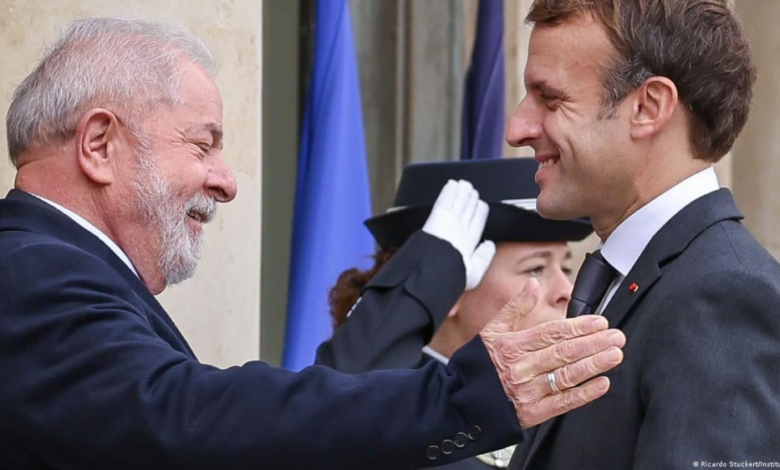
تكتسب هذه المبادرة أهمية خاصة نظراً لارتباطها المباشر بخطة ترامب لإنهاء الحرب في غزة، حيث من المقرر أن يشرف "مجلس السلام" على "اللجنة الوطنية لإدارة غزة". ومع ذلك، فإن طموحات المجلس تتجاوز الملف الفلسطيني؛ إذ يسعى ميثاقه إلى لعب دور أوسع في حل النزاعات المسلحة العالمية. وتتضمن ديباجة المجلس انتقاداً ضمنياً للأمم المتحدة، داعية إلى التخلي عن المؤسسات التي "فشلت"، وهو ما أثار حفيظة قادة مثل إيمانويل ماكرون ولويس إيناسيو لولا دا سيلفا، اللذين دعوا في المقابل إلى تعزيز دور الأمم المتحدة وإصلاحها بدلاً من استبدالها بكيانات موازية قد تضعف القانون الدولي.
يمثل يوم 19 فبراير اختباراً حقيقياً لمدى قدرة الإدارة الأمريكية على إعادة تشكيل التحالفات الدولية خارج الأطر التقليدية، في وقت يواجه فيه العالم تحديات جيوسياسية تتطلب تعاوناً أممياً شاملاً لا انتقائياً.