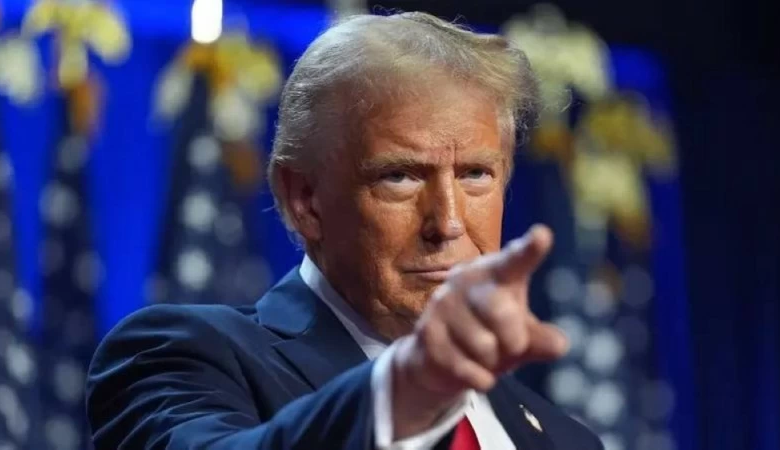

US President Donald Trump announced his administration's intention to implement a new economic plan aimed at raising tariffs to 15% on all imports into the United States within a timeframe not exceeding five months. This announcement represents an escalation in US trade policy, based on new legal interpretations that allow him to circumvent previous judicial obstacles.
The legal route and circumventing Supreme Court decisions
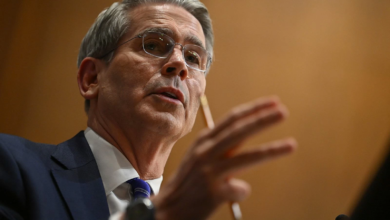
President Trump explained that Justice Brett Kavanaugh's Supreme Court dissenting opinion on the previous tariffs contained a legal roadmap granting the president executive authority to impose those tariffs through alternative means. Trump indicated that his administration had carefully studied the dissenting opinion and found "great" legal passages that clarified the correct procedure to follow from the outset. Trump stated, "Justice Kavanaugh, in his incredible dissenting opinion, explained what we should have done, and we are now doing it through other channels implicitly provided by the court.".
Historical context: A return to the "America First" policy
This approach is not new to Donald Trump's economic policy; rather, it is an extension of the "America First" approach he adopted during his first term. Historically, the Trump administration has focused on protectionist policies, waging a wide-ranging trade war, particularly against China, and imposing tariffs on steel and aluminum imports even from traditional US allies in Europe and Canada. According to Trump, this approach aims to protect domestic industry and reduce the trade deficit, which he considers essential for restoring American economic power.
Expected economic impacts locally and globally
This decision, if implemented, is expected to cause significant tremors in global markets. Internationally, imposing a blanket 15% tariff could ignite a new wave of trade wars, as affected countries are likely to retaliate with similar tariffs on US exports. Domestically, economists believe these tariffs could increase the cost of imported goods for American consumers, potentially contributing to higher inflation.
In contrast, Trump strongly defended the policy, asserting that it would generate hundreds of billions of dollars for the US treasury and noting that previous tariffs had made the country "richer." He added that the administration was currently conducting extensive studies to implement varying tariffs tailored to the nature of trade relations with different countries, in order to ensure maximum economic benefit for the United States.