Reasons for postponing Trump's visit to China and the repercussions of the Middle East war

A strategic decision to postpone the presidential visit
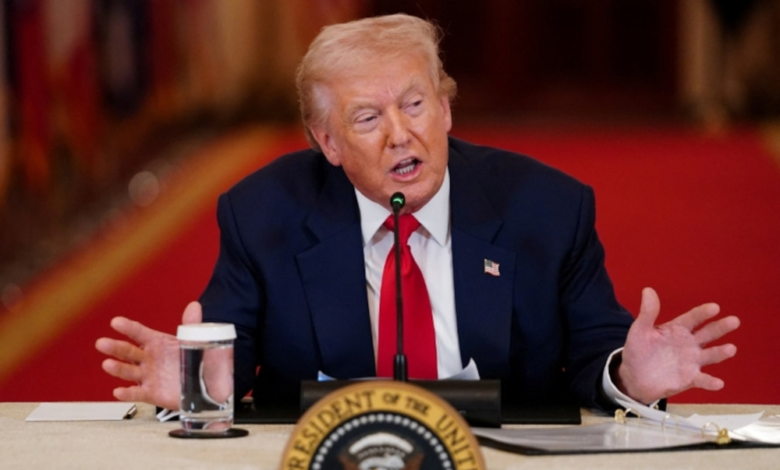
US President Donald Trump announced a significant strategic decision to postpone his planned official visit to the People's Republic of China for approximately one month. This announcement came amidst escalating tensions and rapidly unfolding events globally, particularly the outbreak of armed conflicts in the Middle East. The visit was originally scheduled to begin on March 31 and continue until April 2, but geopolitical developments have necessitated a fundamental shift in the US administration's agenda.
In remarks to reporters from the Oval Office on Monday, Trump clarified his position, saying, “I want to be here because of the war going on in the Middle East, and that’s why we asked to postpone the visit for about a month.” Despite this postponement, imposed by urgent security and military circumstances, the US president was keen to reassure the international community and global markets, emphasizing that bilateral relations with Beijing remain “very good,” and that the postponement stemmed from national security priorities, not diplomatic disagreements.
General context and historical background of the event
This move comes at a highly sensitive time for US foreign policy. Historically, visits by US presidents to China have been pivotal moments that shape the course of the global economy and international relations. However, the outbreak of conflicts in the Middle East, particularly those threatening strategic waterways like the Strait of Hormuz, is forcing Washington to immediately reassess its priorities. The US military presence in the region, the protection of allied interests, and ensuring the flow of global energy supplies are longstanding cornerstones of US security doctrine, making a focus on managing this crisis unavoidable.
The importance of the event and its expected impact locally, regionally, and internationally
On the domestic front: Trump’s stay in Washington reflects the administration’s desire to manage the crisis closely and send a message to the American public that the leadership places national security and the safety of the armed forces at the top of its priorities, especially in times of war that may result in losses or injuries among the American military.
Regionally, the US administration's focus on the Middle East sends strong messages to both allies and adversaries. It underscores Washington's firm commitment to the region's security and its readiness to take decisive action to deter any threats that could undermine the stability of allied nations or disrupt international shipping in the vital straits through which the global economy flows.
On the international front, the postponement of the US-China summit raises questions about the future of outstanding issues between the world's two largest economies. However, Trump's emphasis on the strength of relations with Beijing aims to prevent any volatility or panic in global financial markets. The interplay between military and security issues in the Middle East and economic diplomacy in East Asia underscores the complexity of the current global landscape, where crisis management requires a delicate balance between military deterrence and maintaining the stability of the global order.