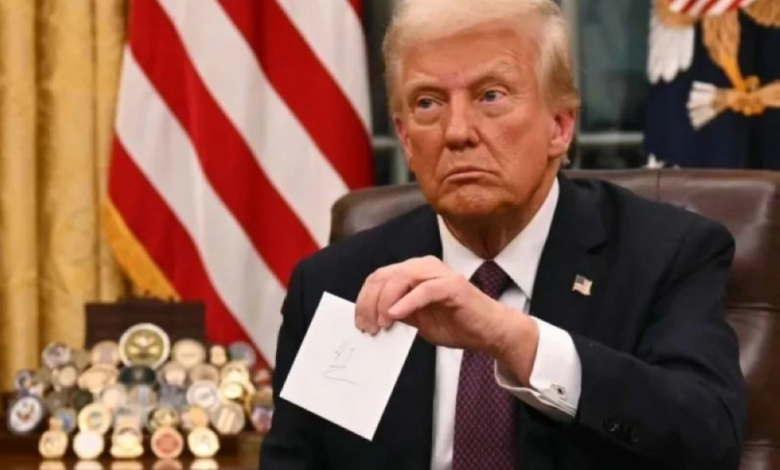

في تعليق جديد يعكس توجهات الإدارة الأمريكية نحو السياسات النقدية، رحب الرئيس الأمريكي دونالد ترمب بالأرقام الصادرة اليوم والتي أظهرت نمواً في الوظائف أفضل من التوقعات خلال شهر يناير الماضي. واستغل ترمب هذه البيانات لتأكيد موقفه الثابت بضرورة أن تدفع الولايات المتحدة تكاليف اقتراض أقل بكثير مما هو سائد حالياً، مشدداً على قوة الاقتصاد الأمريكي كدافع رئيسي لهذا المطلب.
ترمب: نحن الأقوى ويجب أن ندفع أقل
وقال الرئيس الأمريكي في منشور عبر منصته للتواصل الاجتماعي «تروث سوشيال»: «يجب أن تدفع الولايات المتحدة تكاليف أقل بكثير على قروضها (السندات)، ونحن مرة أخرى أقوى دولة في العالم، وبالتالي يجب أن ندفع أقل سعر فائدة على الإطلاق». ويأتي هذا التصريح في وقت حساس للأسواق المالية، حيث تترقب الأوساط الاقتصادية أي إشارات حول مسار السياسة النقدية الفيدرالية.
وأشار ترمب إلى البيانات الإيجابية لشهر يناير قائلاً: «أرباب العمل في الولايات المتحدة أضافوا 130 ألف وظيفة خلال يناير الماضي، وهو رقم قوي بشكل مفاجئ». ومع ذلك، لم يغفل الرئيس الإشارة إلى الجانب الآخر من التقرير الحكومي، مضيفاً: «لكن مراجعات حكومية خفضت عدد الوظائف المستحدثة في العام الماضي بمئات الآلاف»، في إشارة إلى التباين بين البيانات الأولية والمراجعات النهائية.
مراجعات سلبية وتحديات سوق العمل
وبحسب التقرير الصادر عن وزارة العمل الأمريكية اليوم، تراجع معدل البطالة في الولايات المتحدة خلال يناير الماضي إلى 4.3%. إلا أن التقرير تضمن مراجعات جوهرية للبيانات السابقة، أسفرت عن خفض عدد الوظائف المستحدثة في العام الماضي بشكل حاد ليصل إلى 181 ألف وظيفة فقط، وهو أضعف مستوى للتوظيف منذ عام جائحة كورونا في 2020، وأقل من نصف الرقم الذي سبق الإعلان عنه والبالغ 584 ألف وظيفة.
وفي سياق متصل، ذكر «مكتب إحصاءات العمل» التابع لوزارة العمل الأمريكية، أن عدد الوظائف التي خلقها الاقتصاد الأمريكي في الـ 12 شهراً حتى مارس 2025 كان أقل بـ 862 ألف وظيفة مما أشارت إليه التقديرات السابقة، مما يلقي بظلال من الشك حول دقة البيانات الأولية التي تعتمد عليها الأسواق في تسعير الفائدة.
السياق الاقتصادي وأهمية خفض الفائدة
تكتسب دعوة الرئيس ترمب لخفض أسعار الفائدة أهمية خاصة في ظل السياق الاقتصادي الحالي. فارتفاع أسعار الفائدة يزيد من تكلفة خدمة الدين العام الأمريكي، الذي وصل إلى مستويات قياسية. عندما يطالب الرئيس بأن تدفع الولايات المتحدة «أقل سعر فائدة»، فإنه يشير إلى العوائد على سندات الخزانة الأمريكية. خفض الفائدة لا يقلل فقط من عبء الديون الحكومية، بل يحفز أيضاً الاستثمار والإنفاق الاستهلاكي، وهما محركان أساسيان للنمو الاقتصادي.
ويرى المحللون الاقتصاديون أن المراجعات السلبية الكبيرة لأرقام الوظائف في العام الماضي قد تدعم حجة «الحمائم» في السياسة النقدية، الذين يرون أن الاقتصاد قد يكون أبرد مما تظهره العناوين الرئيسية، مما يستدعي تيسيراً نقدياً (خفض الفائدة) لتجنب الركود. وبالتالي، فإن تصريحات ترمب تتماشى منطقياً مع البيانات التي تظهر تباطؤاً خفياً في سوق العمل رغم قوة أرقام يناير الظاهرية.
التأثير المتوقع على الأسواق العالمية
إن أي تحرك نحو خفض أسعار الفائدة الأمريكية يحمل تأثيرات واسعة النطاق تتجاوز الحدود المحلية. عالمياً، يؤدي خفض الفائدة الأمريكية عادة إلى تراجع قيمة الدولار أمام العملات الأخرى، مما قد يدعم الصادرات الأمريكية ولكنه يرفع تكلفة الواردات. كما أن الأسواق الناشئة غالباً ما تستفيد من انخفاض الفائدة الأمريكية، حيث تتدفق رؤوس الأموال بحثاً عن عوائد أعلى خارج الولايات المتحدة. وتظل تصريحات الرئيس ترمب مؤشراً قوياً للمستثمرين حول التوجهات المستقبلية المحتملة للسياسة الاقتصادية في واشنطن.