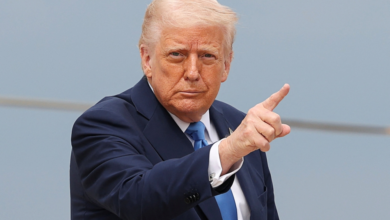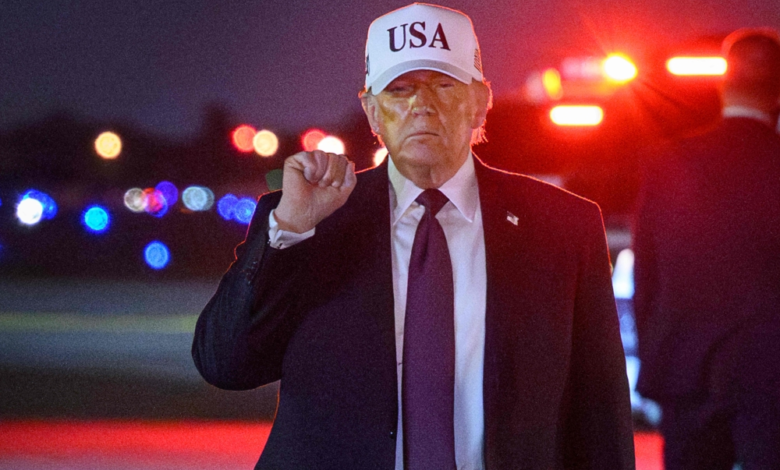

In a new escalation of rhetoric against Havana, US President Donald Trump declared that Cuba is "living its final moments," predicting a "major change" on the island, which has been ruled by a communist regime for decades. These remarks came during a summit with leaders of allied Latin American nations in Florida, where Trump emphasized his personal interest in the Cuban issue, hinting at the possibility of negotiations aimed at reaching a potential "agreement," without elaborating on the details of such an agreement.
Context of statements and economic pressures
The US president's remarks come at a time when Cuba is experiencing one of the worst economic crises in its modern history. The island is suffering from severe fuel shortages, frequent power outages, and scarcity of food and basic necessities, leading to unprecedented waves of migration to the United States. Observers believe that Trump bases his prediction of the current regime's imminent demise on this rapidly deteriorating economy, which is placing immense pressure on the Cuban leadership, potentially making it more resilient or vulnerable to internal collapse.
Historical background of US-Cuban relations
Relations between Washington and Havana have always been a thorny issue in US foreign policy. Since the Cuban Revolution in 1959, the United States has imposed a strict trade embargo on the island. While relations saw a brief thaw during the administration of former President Barack Obama, who restored diplomatic ties, Trump returned in his first term to a policy of "maximum pressure," tightening sanctions and re-designating Cuba as a state sponsor of terrorism. His recent remarks in Florida confirm his continued commitment to this hardline approach, while leaving the door slightly ajar for a "deal" that might be on his own terms.
Regional and international importance
These statements carry significant implications that extend far beyond Cuba. Domestically, Florida is a stronghold of the Cuban community opposed to the regime, and Trump's remarks bolster his support there. Regionally, this rhetoric sends a strong message to other leftist regimes in Latin America: Washington will not hesitate to exert its influence to effect political change in its immediate vicinity. Internationally, any radical change in Cuba could redraw the geopolitical map of the Caribbean, especially given the efforts of other international powers, such as Russia and China, to expand their influence on the island so close to the US coast.
The question remains as to the nature of the "agreement" that Trump alluded to; does it mean a conditional easing of sanctions in exchange for political reforms, or does it pave the way for a complete transitional phase expected to occur soon? The coming days may reveal more about the US administration's strategy towards this complex issue.