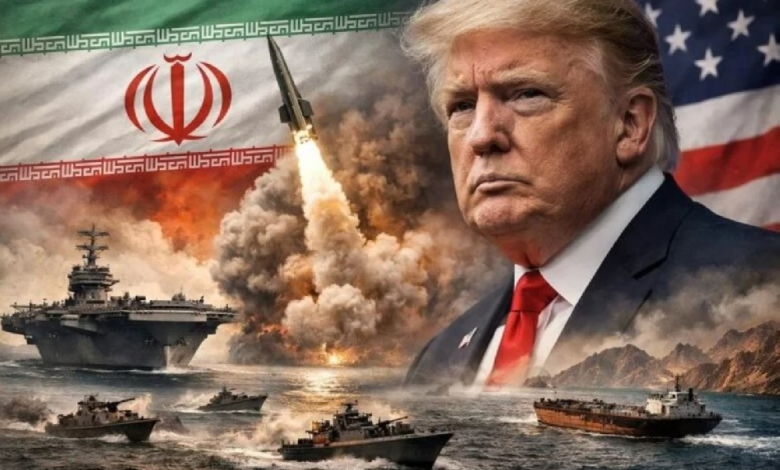

في تصريح مفاجئ قد يعيد رسم ملامح الدبلوماسية في الشرق الأوسط، أعرب الرئيس الأمريكي دونالد ترامب عن استعداده للقاء المرشد الأعلى الإيراني، مجتبى خامنئي، مؤكداً انخراطه المباشر في الجهود الرامية لإنهاء الصراع في المنطقة. يأتي هذا العرض في وقت تتصاعد فيه التوترات بين واشنطن وطهران، مما يطرح تساؤلات حول جدية هذه المبادرة وإمكانية تحقيق اختراق دبلوماسي، خاصة وأن أي لقاء بين ترامب وخامنئي سيمثل تحولاً جذرياً في مسار العلاقات المتأزمة بين البلدين.
وفي مقابلة حصرية مع صحيفة “نيويورك بوست” الأمريكية، قال ترامب بوضوح: “أرغب في لقائه، أرغب في لقاء الجميع، وربما سنلتقي في مرحلة ما، بناءً على ما ستؤول إليه الأمور”. وأضاف أن الإيرانيين “يحترمونه للغاية”، في إشارة إلى القيادة الإيرانية، مؤكداً أنه يشارك شخصياً في المباحثات المتعلقة بإنهاء الصراع.
خلفيات التوتر وسياسة الضغط الأقصى
تعود جذور التوتر الحالي إلى عقود من العداء، لكنها بلغت ذروتها خلال فترة رئاسة ترامب الأولى مع انسحاب الولايات المتحدة من الاتفاق النووي الإيراني (خطة العمل الشاملة المشتركة) في عام 2018. تبع ذلك فرض استراتيجية “الضغط الأقصى” التي شملت عقوبات اقتصادية خانقة بهدف إجبار طهران على العودة إلى طاولة المفاوضات بشروط أمريكية. هذه السياسة أدت إلى تصعيد خطير، شمل هجمات على منشآت نفطية في الخليج وإسقاط طائرات مسيرة، وبلغت أوجها مع اغتيال قائد فيلق القدس قاسم سليماني في بغداد عام 2020، وهو ما وضع المنطقة على حافة حرب شاملة.
أهمية لقاء ترامب وخامنئي المحتمل
تكتسب تصريحات ترامب أهمية خاصة كونها تستهدف مجتبى خامنئي، الذي تولى منصب المرشد الأعلى خلفاً لوالده علي خامنئي. ويُنظر إلى مجتبى، الذي يحيط الغموض بظهوره العلني، على أنه شخصية نافذة ومحورية في اتخاذ القرارات الاستراتيجية داخل النظام الإيراني. وكان وزير الخارجية الأمريكي ماركو روبيو قد أكد في وقت سابق أن واشنطن تعتقد أن مجتبى خامنئي لا يزال على قيد الحياة ويمارس دوراً متزايداً في إدارة شؤون الدولة، رغم ابتعاده عن الأضواء. وأوضح روبيو أمام لجنة الشؤون الخارجية في مجلس الشيوخ أن معظم تواصله يتم عبر رسائل مكتوبة أو من خلال وسطاء، مما يدل على نفوذه الكبير خلف الكواليس.
إن مجرد طرح فكرة عقد لقاء مباشر بين الرئيس الأمريكي والمرشد الإيراني الأعلى يحمل في طياته دلالات عميقة. فعلى الصعيد الإقليمي، قد يُنظر إليه كخطوة نحو التهدئة وتخفيف حدة الصراعات بالوكالة في اليمن وسوريا ولبنان والعراق. أما دولياً، فإنه قد يفتح الباب أمام مفاوضات جديدة بشأن البرنامج النووي الإيراني ودور طهران في المنطقة، وهو ما تراقبه القوى العالمية عن كثب. ومع ذلك، يبقى الطريق نحو مثل هذا اللقاء محفوفاً بالتحديات والعقبات السياسية والأيديولوجية التي تراكمت على مدى أكثر من أربعة عقود.