Trump: Regime change is underway in Iran and we will continue bombing if negotiations fail

New US escalation towards Tehran
In recent and controversial remarks, US President Donald Trump asserted that a process of “regime change in Iran” is currently underway, issuing stark warnings to Tehran that military operations and bombings will continue should the ongoing negotiations fail. These statements present the Middle East with complex scenarios and mark a new escalation in the long-tense and volatile US-Iranian relationship.
Details of the talks and conditions for abandoning nuclear weapons
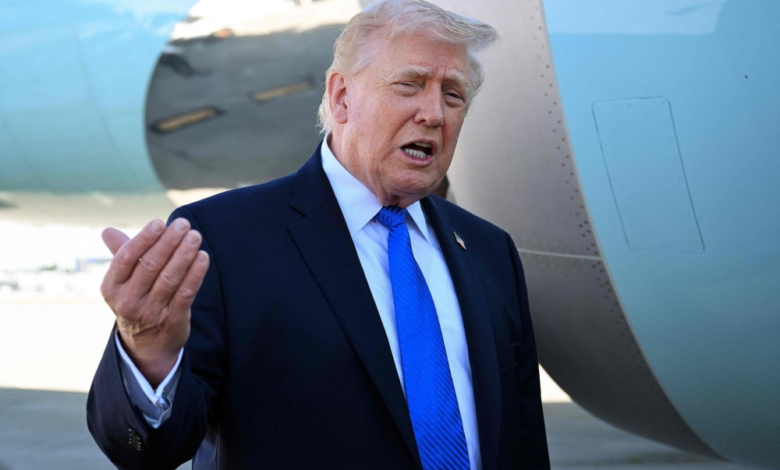
In detailing the event, Trump explained to reporters in Florida, before boarding his plane to Memphis, that there were “key points of agreement” that had emerged during the talks announced between Washington and Tehran. The US president emphasized a fundamental and non-negotiable condition: the complete abandonment by Iran of its nuclear ambitions and the surrender of its stockpile of enriched uranium. He clearly indicated that the United States is not only seeking to halt enrichment activities but also demands the return of the enriched uranium currently possessed by Tehran, reflecting a US desire to definitively and completely neutralize any potential nuclear threat.
Mysterious negotiations and Iranian denial
Adding to the mystery surrounding these developments is Trump's assertion that these talks are taking place with a "senior and highly respected official" within the Iranian leadership, ruling out the possibility that this person is the new Supreme Leader, Ayatollah Mojtaba Khamenei. Conversely, Iranian state media quickly denied any direct or indirect negotiations with the US administration, raising questions about the nature of these back channels of diplomacy and whether they reflect divisions within Tehran's decision-making circles under current pressure.
The historical context of maximum pressure policy
To understand the dimensions of this escalation, one must consider the historical context of relations between the two countries. Since the United States withdrew from the nuclear agreement in 2018, Washington has adopted a policy of “maximum pressure,” which included harsh economic sanctions aimed at crippling the Iranian economy and forcing Tehran to renegotiate on more stringent terms. Since then, Iran has increased its uranium enrichment to levels approaching those required for nuclear weapons, alarming the entire international community and prompting the US administration to threaten military action as a last resort.
Potential regional and international repercussions
Regionally and internationally, Trump’s statements about “regime change in Iran” and the threat of bombing carry serious repercussions. Regionally, Middle Eastern countries are watching closely these developments, which could lead to a redrawing of the region’s geopolitical map. Any military escalation could ignite wider confrontations involving Iran’s proxies in the region, threatening the security of navigation in vital waterways and directly impacting global energy supplies and oil prices. Internationally, these moves place world powers in a difficult position, as everyone seeks to avoid a full-blown war in a region vital to the global economy.
In conclusion, the US-Iranian crisis stands at a critical crossroads. Either these talks will succeed in defusing the crisis and reaching a settlement that ends the Iranian nuclear program, or diplomatic efforts will fail, opening the door wide to the implementation of US threats to continue bombing and support efforts for actual regime change.