Trump reveals negotiations with Iran and the movement of a massive military fleet

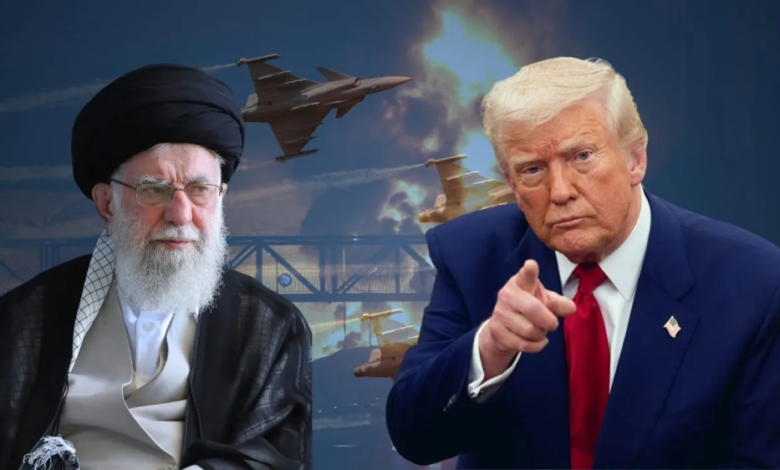
In a remarkable development amid escalating tensions in the Middle East, US President Donald Trump revealed that there are open channels of communication with the Iranian side, while also indicating the continued US military buildup to ensure the security of US interests and its allies in the region.
Trump's statements: Between diplomacy and threats of force
In an interview with Fox News, the US president confirmed that Tehran is currently "talking" to the United States, a clear indication that Washington's maximum pressure campaign has opened the door to potential negotiations. Trump stated unequivocally, "Iran is talking to us, and we'll see if we can do something, or we'll see what happens." These remarks confirm the existence of behind-the-scenes diplomatic activity, despite the harsh rhetoric exchanged between the two sides.
Military movements: A decisive deterrent message
Alongside discussions of negotiations, the US president did not neglect the military aspect, reiterating his emphasis on the military force being deployed to the Middle East's territorial waters, stating, "We have a large fleet heading there." Military analysts indicate that this deployment typically includes aircraft carrier groups and their accompanying warships, as well as strategic bombers, representing a strong deterrent message intended to prevent any potential threats to international shipping or oil interests in the Strait of Hormuz.
Background of tension and historical context
These developments cannot be separated from the broader context of US-Iranian relations, which have deteriorated rapidly since the United States withdrew from the nuclear agreement (the Joint Comprehensive Plan of Action) and reimposed crippling economic sanctions on Tehran. These sanctions, aimed at curbing Iranian influence in the region and limiting its missile program, have pushed the region to the brink of disaster on more than one occasion.
Regional and international influences
These statements have garnered widespread international attention, with world capitals, particularly in Europe, watching the situation with grave concern, fearing a slide into open military confrontation that could destabilize global energy markets and drive up oil prices. Several countries are engaged in intensive diplomatic efforts to mediate and defuse the crisis, attempting to find common ground and spare the region the horrors of war—a point Trump alluded to when he spoke of ongoing communication.
In conclusion, the scene remains open to all possibilities, as Washington holds the stick and the carrot; a military fleet brandishing force, and an open invitation for negotiations that may lead to a new agreement or a heated confrontation.