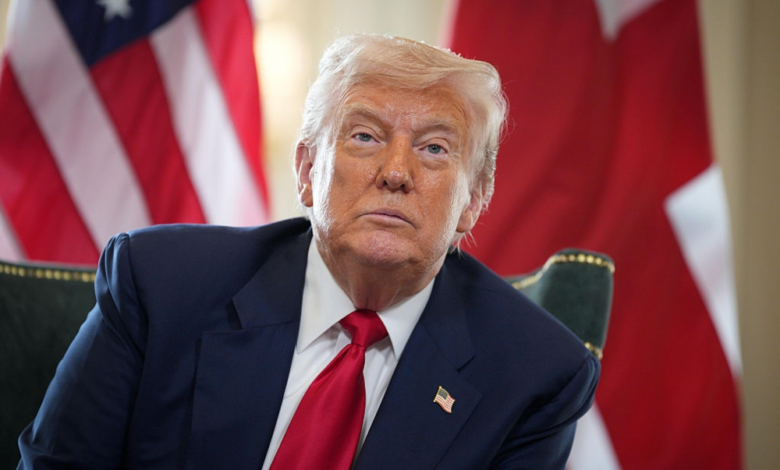

في تصريحات أثارت جدلاً واسعاً على الساحة الدولية، صرح الرئيس الأمريكي السابق دونالد ترامب بأن الجيش الأمريكي يمتلك القدرة على الاستيلاء على جزيرة خارك الإيرانية الاستراتيجية “بسهولة كبيرة”. جاءت هذه التصريحات خلال مقابلة صحفية أجراها مع صحيفة “فاينانشال تايمز”، حيث سُئل عن تقييمه للقدرات الدفاعية الإيرانية في تلك المنطقة الحيوية. وأجاب ترامب بوضوح أنه لا يعتقد بوجود دفاعات قوية تحمي الجزيرة، مما يجعل خيار السيطرة عليها مطروحاً وممكناً، خاصة بعد تعرض الجزيرة لهجوم أمريكي في منتصف مارس الماضي.
الأهمية الاستراتيجية لجزيرة خارك والخلفية التاريخية
تُعد جزيرة خارك، الواقعة في شمال الخليج العربي على بُعد حوالي 30 كيلومتراً من السواحل الإيرانية، العصب الرئيسي للاقتصاد الإيراني. تاريخياً، برزت أهمية هذه الجزيرة خلال الحرب العراقية الإيرانية في ثمانينيات القرن الماضي، حيث كانت هدفاً مستمراً للغارات الجوية، إلا أنها استمرت في العمل بصعوبة. وفي الوقت الراهن، تضم الجزيرة أكبر الموانئ النفطية في إيران، وتمر عبرها نحو 90% من صادرات البلاد من النفط الخام، وذلك وفقاً لتقارير اقتصادية موثوقة من بينها تقييمات مصرف “جيه بي مورجان” الأمريكي. إن أي استهداف أو سيطرة على هذه الجزيرة يعني فعلياً شلّ قدرة طهران على تصدير النفط، مما يوجه ضربة قاصمة لاقتصادها المعتمد بشكل أساسي على العائدات البترولية.
أزمة مضيق هرمز وتأمين إمدادات الطاقة العالمية
وفي سياق متصل بالأمن البحري، كشف ترامب عن تفاصيل مفاوضات جرت مع الجانب الإيراني لضمان مرور 20 ناقلة نفط ضخمة عبر مضيق هرمز. يُذكر أن مضيق هرمز يُعد أحد أهم الممرات المائية في العالم، حيث يمر عبره نحو خُمس استهلاك العالم من النفط. وأشار ترامب إلى أن طهران كانت قد أغلقت المضيق عملياً منذ بداية التوترات الأخيرة، مما هدد بارتفاع حاد في أسعار المحروقات عالمياً. وأكد في مؤتمر صحفي أن هذه الناقلات ستعبر بسلام، معتبراً أن هذا التطور جاء “بدافع الاحترام” للولايات المتحدة، ومشدداً على أن العبور سيبدأ قريباً ويستمر لعدة أيام.
تغيير النظام الإيراني ومستقبل المفاوضات
من جهة أخرى، تطرق ترامب إلى التأثيرات العميقة للعمليات العسكرية الأخيرة، مشيراً إلى أن ما وصفه بـ “الحرب الأمريكية الإسرائيلية” قد أحدثت تغييراً جوهرياً في بنية النظام الإيراني. وأوضح للصحفيين على متن طائرة الرئاسة أن فقدان عدد من كبار القادة الإيرانيين الذين قُتلوا خلال الأسابيع الماضية قد خلق واقعاً جديداً. وقال: “نحن نتعامل الآن مع مجموعة مختلفة تماماً من الأشخاص لم يسبق لأحد التعامل معهم من قبل، ولذا أرى أن هذا يمثل تغييراً في النظام”. ورغم هذه التوترات والضربات القاسية، أعرب ترامب عن ثقته التامة في إمكانية التوصل إلى اتفاق شامل وجديد مع القيادة الإيرانية الحالية.
التداعيات الإقليمية والدولية المتوقعة
إن التداعيات المتوقعة لمثل هذه التصريحات والتحركات تتجاوز النطاق المحلي والإقليمي لتصل إلى الساحة الدولية. إقليمياً، تزيد هذه التهديدات من حالة الاستنفار الأمني في منطقة الخليج، مما يدفع الدول المجاورة إلى تعزيز تدابيرها الدفاعية. ودولياً، تراقب أسواق الطاقة العالمية هذه التطورات بحذر شديد، حيث أن أي تصعيد عسكري فعلي في جزيرة خارك أو مضيق هرمز سيؤدي حتماً إلى صدمة في أسعار النفط، مما يفاقم من تحديات التضخم التي يواجهها الاقتصاد العالمي ويؤثر على استقرار الأسواق المالية وحركة التجارة الدولية.