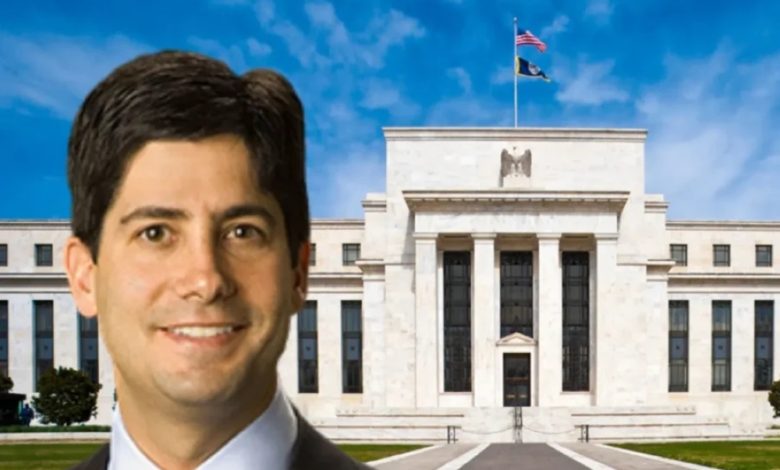

US President-elect Donald Trump explicitly stated that his economic policies for the next phase are based primarily on easing monetary policy, noting that his choice of former banker Kevin Warsh to head the Federal Reserve (the US central bank) was based on a shared vision regarding the need to lower interest rates .
In an exclusive interview with NBC News, Trump explained that he would not have chosen Warsh if the latter had favored policies that favored raising interest rates or maintaining them at their current high levels. Trump stated unequivocally, "Kevin fully understands my desire to lower rates, and I believe he wants that himself as well," reflecting the new administration's desire to end the era of monetary tightening led by current Chair Jerome Powell.
The economic context and the conflict with Jerome Powell
Trump's remarks come at a sensitive time for the US economy, following a series of interest rate hikes implemented by the Federal Reserve under Jerome Powell to curb inflation, which reached record highs after the coronavirus pandemic. While this policy has been successful in reducing inflation, Trump has repeatedly criticized Powell, describing current interest rates as "too high" and hindering economic growth and investment.
These statements are of particular importance given the influence of the US Federal Reserve on the global economy; any decision to cut interest rates in Washington is immediately reflected in emerging markets, oil prices, and the value of the dollar globally, making Warsh's appointment an event eagerly awaited by investors around the world.
Challenges to central bank independence
Trump's direct linking of the appointment of the Federal Reserve chair to the implementation of a specific monetary policy (interest rate cuts) raises concerns among economists and lawmakers about the Fed's independence . Historically, the central bank is supposed to operate independently of political pressure from the White House to ensure price and employment stability, independent of election cycles.
In this context, Kevin Warsh may face a difficult path to Senate confirmation. Republican Senator Thom Tillis, a member of the Banking Committee, has pledged to oppose the confirmation of any Federal Reserve nominees, including the new chairman, until the Justice Department concludes its ongoing investigation into Jerome Powell.
Political obstacles and ongoing investigations
The tensions are not limited to monetary policy; they extend to investigations into the management of the central bank itself. Trump's persistent attempts to remove Lisa Cook, a member of the Board of Governors, and his scrutiny of the central bank's headquarters renovation expenses have sparked widespread controversy in Washington political circles.
It is worth noting that the Federal Reserve had cut interest rates three times during the past year, but it took a cautious stance in January, preferring to wait to assess inflation and labor market data, an approach that Trump seems to be seeking to radically change by appointing Warsh.