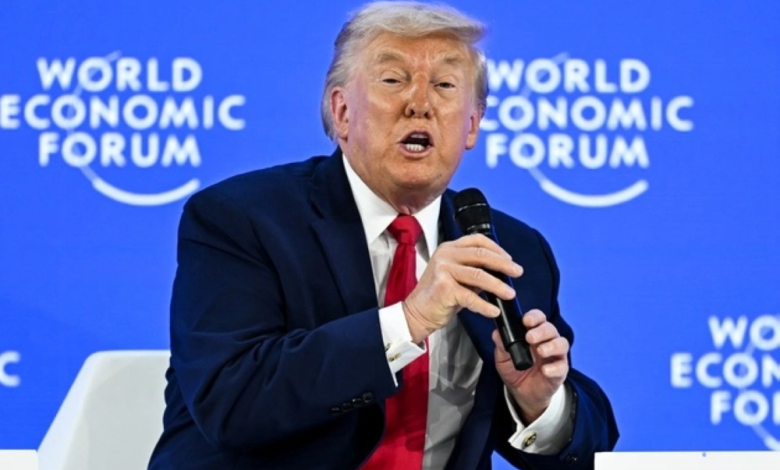

Trump's remarks spark controversy over secret negotiations with Iran
In a striking development reflecting the complexities of the political landscape in the Middle East, US President Donald Trump made controversial statements about the existence of secret negotiations underway between the United States and Iran. Trump asserted that Tehran is indeed engaged in peace talks, although Iranian officials vehemently deny this publicly. Trump attributed this denial to what he described as the Iranian negotiators' fear of being killed by their own people or hardline factions within the country should they admit to making concessions.
Devastating blows to the Iranian nuclear program
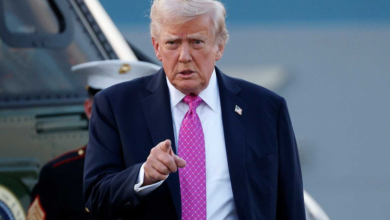
During a dinner with Republican members of Congress, Al Arabiya quoted Trump as saying, “They are negotiating, and they desperately want to make a deal, but they are afraid to say so because they believe that if they do, they will be killed by their own people.” Trump’s remarks didn’t stop there; he went on to assert that the United States had dealt devastating blows to Iranian capabilities. He added decisively, “We destroyed everything in Iran. Our strikes completely eliminated the nuclear program, and we prevented them from acquiring a nuclear weapon thanks to our B-2 strategic bomber strikes.” In his remarks, Trump mocked the internal situation of the Iranian leadership, saying, “No one wants to be the Supreme Leader in Iran right now,” adding sarcastically that he certainly wouldn’t be the next Supreme Leader of Iran.
Historical context: Maximum pressure policy
To understand the implications of these statements, it is necessary to return to the historical context of US-Iranian relations. In 2018, Washington unilaterally withdrew from the 2015 Iran nuclear agreement and reimposed harsh economic sanctions as part of its “maximum pressure” campaign. This policy aimed to force Tehran to negotiate a new agreement encompassing not only its nuclear program but also its ballistic missile program and regional influence. These sanctions led to an unprecedented deterioration in the Iranian economy, exacerbating internal tensions.
Internal tensions in Iran and leadership concerns
Trump's statements about the Iranian leadership's fear of its own people are based on real facts concerning the internal situation in Iran. In recent years, the country has witnessed successive waves of mass popular protests, most notably the 2019 protests over fuel price hikes and the 2022 protests. These protests revealed a widening gap between the ruling regime and a broad segment of the Iranian population suffering from crippling economic crises. Therefore, any public rapprochement with Washington could be interpreted domestically by hardliners as treason, or exploited by the opposition to demonstrate the regime's weakness.
Regional and international influence and securing navigation
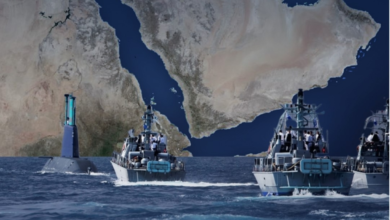
Regionally and internationally, any US-Iranian negotiations are of paramount importance. Tensions with Iran directly impact maritime security, particularly in the Strait of Hormuz and the Red Sea, vital waterways for global energy supplies. Iran and its proxies in the region have repeatedly threatened to target shipping if it is subjected to maximum pressure. Therefore, reaching a settlement could contribute to de-escalation in the region, while the collapse of any diplomatic efforts could lead to open confrontations that would destabilize the global economy.
Trump: No one wants to be the Supreme Leader in Iran right now... and its leaders are negotiating with us, but they deny it to their people for fear of death.
Al Arabiya Channel pic.twitter.com/SXtMCoPOU5 — Al Arabiya Breaking News (@AlArabiya_Brk) March 26, 2026