Trump threatens Canada with 100% tariffs over China and developments with India

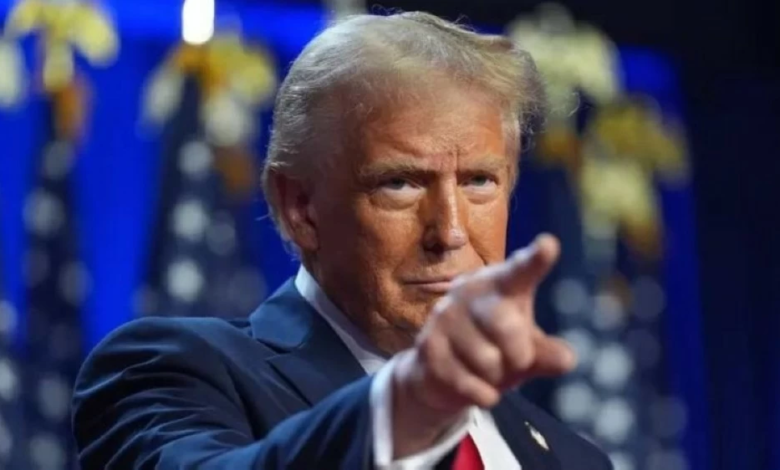
In a new escalation reflecting the US administration's move toward strengthening protectionist policies, President Donald Trump announced an explicit threat to impose tariffs of up to 100% on all Canadian imports. This threat is contingent on Canada entering into any trade agreement with China, highlighting growing US concerns about Chinese economic influence in North America.
Trump warns against turning Canada into a gateway for Chinese goods
Through his platform, Truth Social, Trump launched a scathing attack, indirectly targeting Canadian economic and political figures, specifically mentioning "Governor Carney" (a likely reference to former Bank of Canada Governor Mark Carney). Trump wrote, "If Governor Carney thinks he can make Canada a dumping ground for Chinese goods and products destined for the United States, he is sorely mistaken." He added, warning that China would "devour Canada alive" and destroy its social fabric and businesses if its doors were opened.
This statement reflects Washington's ongoing concern that trading partners are being used as a "back door" to circumvent direct US tariffs on Chinese goods, which Trump considers a threat to US national and economic security. The US president stated unequivocally: "If Canada makes a deal with China, it will immediately face 100% tariffs on all Canadian goods and products imported into the United States.".
The context of the trade war and the importance of the USMCA agreement
These threats come within a broader context of global trade tensions, as the United States seeks to reduce its trade deficit and protect its domestic industries. Canada is the United States' largest trading partner, and any tariffs of this magnitude would represent an economic earthquake for the United States-Mexico-Canada Agreement (USMCA). Analysts believe Trump is using tariffs as leverage to pressure his allies into adopting similarly hardline stances toward Beijing, particularly in the technology and electric vehicle sectors.
A possible breakthrough with India
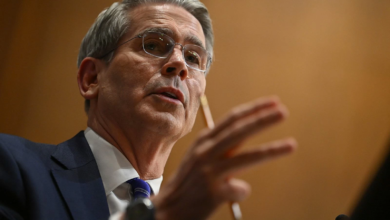
On the other side of the economic landscape, and in a positive development for relations with New Delhi, US Treasury Secretary Scott Bisnett hinted at the possibility of easing trade restrictions on India. This came after a sharp decline in Indian imports of Russian oil was observed, which Washington considered a response to Western sanctions.
“Indian refinery purchases of Russian oil have collapsed, and that’s a success,” Bisent told Politico in an interview at the World Economic Forum. He indicated that the 25% tariffs that had been imposed might soon be lifted, reflecting the “carrot and stick” policy of the US administration: penalties for those who violate US policies and incentives for those who comply with them.
It is worth noting that trade tensions with India escalated last August when Trump doubled tariffs on Indian goods to 50%, including a special tax due to India's previous reliance on Russian energy.