
In a new escalation of trade tensions between Washington and New Delhi, US President Donald Trump threatened to sharply increase tariffs on India, making it contingent on the latter reducing its purchases of Russian oil to avoid such sanctions. These statements further complicate the economic landscape between the two countries, amidst ongoing trade negotiations that have yet to yield conclusive results.
Increasing US pressure and direct messages
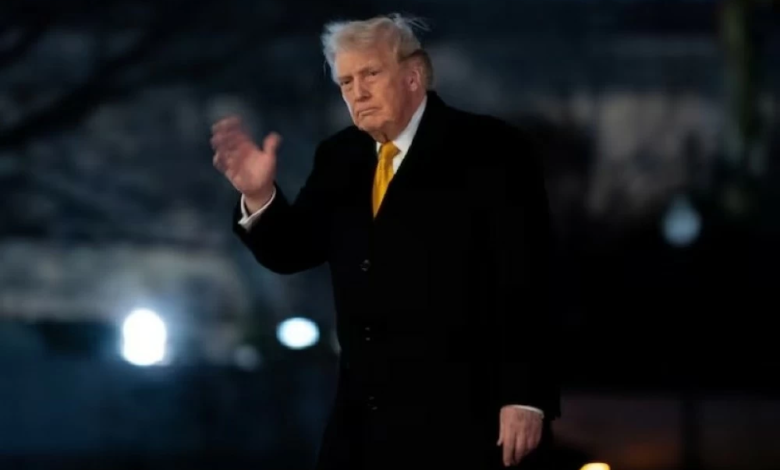
Speaking to reporters aboard Air Force One, Trump addressed Indian Prime Minister Narendra Modi directly, saying, "Modi is a good man, and he knows I'm not happy, and it's important that he makes me happy." The US president also asserted that his country has the capability to raise tariffs "very quickly" if New Delhi continues its current policy toward Russian energy.
This stance reflects Washington's desire to tighten the economic noose around Russia, as the US administration believes that India's continued purchase of Russian oil renders Western sanctions meaningless.
Background to the crisis: Russian oil and war financing
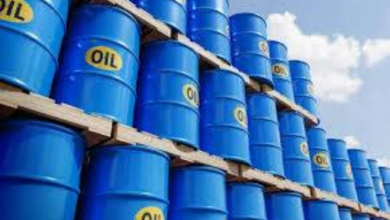
Historically, India has maintained strategic relations with Russia, but since the outbreak of war in Ukraine, New Delhi has increased its imports of Russian oil, taking advantage of discounted prices. The United States views these funds as directly contributing to financing the Russian war machine.
In this context, Republican Senator Lindsey Graham, a close ally of Trump, stated that he supports legislation imposing tariffs of up to 500% on countries that continue to purchase Russian oil. Graham bluntly stated, "If you buy cheap Russian oil, you are sustaining Putin's war machine," indicating that the threat of tariffs is the most effective tool to make this choice difficult for importing countries.
Economic repercussions and market concerns
Indian markets reacted swiftly to these threats, with an immediate negative response. The Information Technology Index (NIFTYIT) fell by approximately 2.5%, reaching its lowest level in over a month. This concern stems from investor fears that the trade war could delay or even derail a comprehensive trade agreement between the United States and India, severely impacting India's tech sector, which is heavily reliant on the US market.
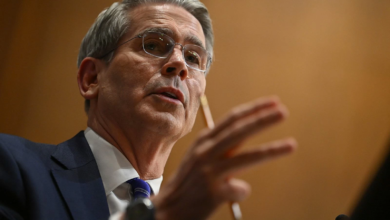
Experts point out that Indian exports are already facing significant challenges, with the US imposing 50% tariffs on some imports last year as an initial punitive measure. Ajay Srivastava, founder of the Centre for World Trade Research, warned that India's "strategic ambiguity" is no longer effective and that New Delhi could find itself in a precarious position if it fails to clarify its stance.
India in the gray area
Although Indian refineries have begun reducing imports in response to pressure and sanctions on Russian oil companies, purchases have not ceased entirely. This situation places India in a "gray area," where it is trying to balance its economic interests in obtaining cheap energy with maintaining its strategic partnership with the West.
In a related geopolitical context, India is cautiously following other international developments, such as the US arrest of Venezuelan President Nicolas Maduro, with New Delhi calling for dialogue, reflecting its cautious diplomatic approach to issues in which Washington is involved.
The data indicates that Indian exports to the United States have fluctuated, with shipments falling by more than 20% between May and November 2025, confirming that trade tensions have already begun to cast a shadow over bilateral trade.