Trump threatens to destroy Iranian power plants to reopen the Strait of Hormuz

Details of Trump's latest threats to Iran
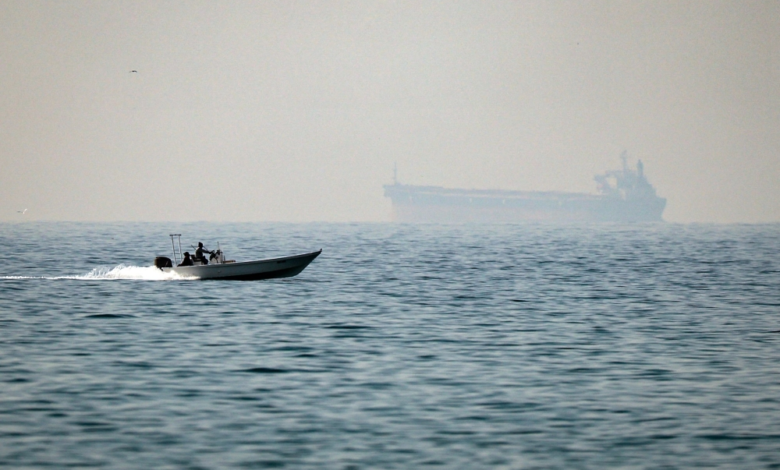
In a striking and unexpected escalation, US President Donald Trump issued a strongly worded warning to Tehran, giving it a 48-hour deadline to fully reopen the Strait of Hormuz to international maritime traffic. In a post on his social media platform Truth Social, Trump threatened that if Iran did not comply and cease all threats to this vital waterway, the United States would launch devastating military strikes targeting Iran's energy infrastructure, emphasizing that the strikes would begin with Iran's largest power plants.
The strategic importance of the Strait of Hormuz
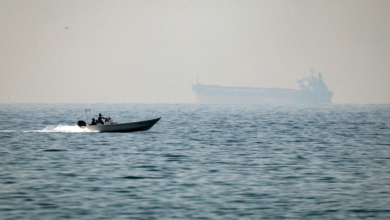
To understand the magnitude of this threat, one must consider the immense geopolitical and economic importance of the Strait of Hormuz. Connecting the Persian Gulf, the Gulf of Oman, and the Arabian Sea, this strait is one of the world's most strategically vital waterways. Approximately 20% to 30% of global oil consumption, along with vast quantities of liquefied natural gas, passes through this narrow waterway. Therefore, any disruption to shipping traffic through it poses a direct threat to global energy security and the international economy.
Historical background of tensions in the strait
Historically, Iran has consistently used the threat of closing the Strait of Hormuz as a political and military bargaining chip in the face of Western sanctions and tensions with the United States. These threats have their roots in the “Tanker War” era during the Iran-Iraq War in the 1980s. In recent years, particularly in 2011 and 2019, tensions escalated significantly following mysterious attacks on commercial vessels and oil tankers in the Gulf, prompting the United States and its allies to bolster their military presence to protect freedom of navigation.
Expected repercussions of the American threats
This escalation has serious repercussions on several levels:
- International and economic impact: Any military action in this sensitive region will immediately lead to a huge jump in global oil prices, which could cause inflation and economic recession crises that hit major markets in Asia, Europe and the Americas.
- Regional impact: The Gulf Arab states rely almost entirely on this strait for their energy exports. A military confrontation could jeopardize the security of the entire region and necessitate the activation of international military alliances to ensure the safety of the waterways.
- Domestic impact in Iran: Carrying out the threat to destroy power plants would paralyze economic and civil activity within Iran, exacerbating the internal crises the country has been suffering as a result of the economic sanctions imposed on it for years.
Maximum pressure policy
These statements are consistent with Trump's well-known hardline approach toward Tehran, previously manifested in his "maximum pressure" policy. His administration withdrew from the Iran nuclear deal in 2018 and reimposed crippling sanctions, underscoring that maritime security in the Arabian Gulf and the Strait of Hormuz will remain a top priority for US foreign policy in dealing with Iranian threats.