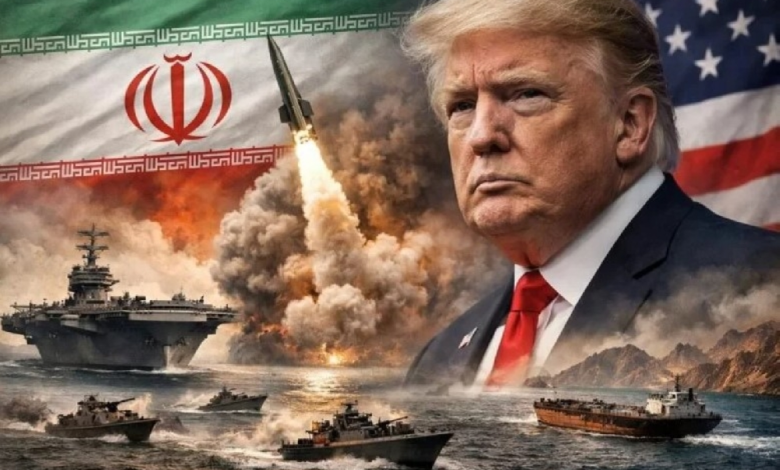

جدد الرئيس الأمريكي السابق دونالد ترامب لهجته التصعيدية تجاه إيران، متوعدًا بتحقيق “نصر كامل” في حال اندلاع أي مواجهة عسكرية، وهي تصريحات تعيد إلى الأذهان أجواء التوتر الشديد التي سادت خلال فترة رئاسته، وتثير تساؤلات حول إمكانية عودة شبح الحرب إلى المنطقة.
في حديثه للصحفيين بالبيت الأبيض، قلل ترامب من أهمية أي مفاوضات لوقف إطلاق النار، مشبهًا الوضع بمريض على وشك الموت، حيث قال: “وقف إطلاق النار بات على جهاز إنعاش هائل، أشبه بدخول الطبيب إلى الغرفة وقوله إن عزيزك تتبقى له فرصة نجاة تقدر بواحد في المئة”. وأضاف بثقة: “سنحقق نصرًا كاملًا”، مؤكدًا أن طهران تدرك جيدًا حجم هزيمتها العسكرية المحتملة.
جذور التوتر: من الاتفاق النووي إلى سياسة الضغط الأقصى
لم تكن هذه التصريحات وليدة اللحظة، بل هي امتداد لسلسلة من التوترات التي بدأت جذورها بالتعمق منذ قرار ترامب الانسحاب من الاتفاق النووي الإيراني (خطة العمل الشاملة المشتركة) في عام 2018. هذا الاتفاق، الذي تم التوصل إليه في عام 2015 بين إيران والقوى العالمية الكبرى، كان يهدف إلى تقييد برنامج طهران النووي مقابل رفع العقوبات الاقتصادية عنها. لكن إدارة ترامب اعتبرت الاتفاق “كارثيًا”، وأعادت فرض عقوبات اقتصادية قاسية ضمن استراتيجية عُرفت بـ”الضغط الأقصى”، بهدف إجبار إيران على العودة إلى طاولة المفاوضات للتوصل إلى اتفاق جديد بشروط أمريكية.
تداعيات محتملة على الساحة الإقليمية والدولية
إن أي تصعيد عسكري بين الولايات المتحدة وإيران لن تقتصر آثاره على البلدين فقط، بل ستمتد لتشمل منطقة الشرق الأوسط بأكملها والعالم. فإيران تمتلك نفوذًا كبيرًا في المنطقة عبر شبكة من الوكلاء في دول مثل العراق وسوريا ولبنان واليمن، وأي مواجهة قد تشعل حروبًا بالوكالة على عدة جبهات. كما أن أمن الملاحة في مضيق هرمز، الذي يمر عبره خُمس إمدادات النفط العالمية، سيكون في خطر داهم، مما قد يؤدي إلى ارتفاع هائل في أسعار الطاقة عالميًا ويزعزع استقرار الاقتصاد العالمي. من جانبها، كانت وزارة الخارجية الإيرانية قد أكدت في ردودها السابقة على تمسكها بـ”حقوقها المشروعة” ورفضها لأي تنازلات لا تضمن مصالحها الوطنية، مما يجعل المشهد السياسي معقدًا ومفتوحًا على كافة الاحتمالات.
وفي ظل هذا التجاذب، تبقى المنطقة في حالة ترقب، حيث يرى محللون أن تصريحات ترامب قد تكون جزءًا من حربه النفسية للضغط على طهران، بينما يخشى آخرون من أن سوء تقدير من أي طرف قد يجر المنطقة إلى صراع مدمر يصعب احتواء تداعياته.