
Unprecedented US escalation to protect energy supplies
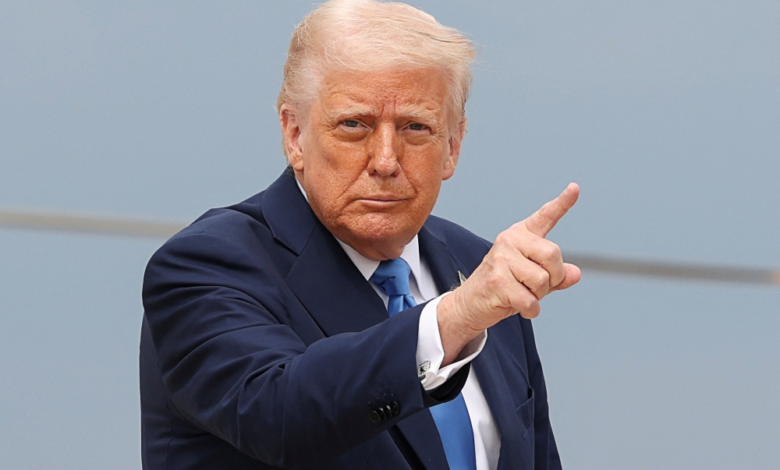
In a dangerous escalation reflecting the scale of geopolitical tensions in the Middle East, US President Donald Trump issued a stern warning to Tehran, threatening to completely destroy Iran's South Pars gas field if it targets Qatari gas facilities again. This statement comes at a time of unprecedented regional turmoil, pushing global energy markets to the brink.
In a post on his social media platform Truth Social on Thursday, Trump detailed the latest developments, stating that Israel had launched a military strike targeting Iran's South Pars gas field. Trump asserted that the US administration had "no prior knowledge" of the Israeli attack. According to his statements, this Israeli strike prompted Tehran to retaliate by launching attacks targeting gas facilities in the Ras Laffan industrial city in Qatar.
In a stern message, the US president wrote: “Israel will not launch any further attacks on the vital and highly valuable South Pars gas field unless Iran recklessly decides to attack an innocent country, in this case, Qatar.” He added, in no uncertain terms: “Should that happen, the United States, with or without Israel’s assistance, will unleash a massive attack on the entire South Pars gas field, the likes of which Iran has never seen before.”.
General context and historical background of shared gas fields
To understand the dimensions of this threat, one must consider the strategic and geographical importance of these vital facilities. The gas field shared by Qatar and Iran is the largest of its kind in the world; the Iranian portion is known as the South Pars field, while the Qatari portion is known as the North Field. This shared field is a cornerstone of both countries' economies and contains enormous reserves that could meet a significant portion of global energy demand.
On the other hand, Ras Laffan Industrial City in Qatar is considered the main nerve center for the production and export of liquefied natural gas, and it has a sophisticated infrastructure that makes it one of the most important strategic points on the international energy map, making any harm to it a direct threat to global economic security.
The importance of the event and its expected regional and international impact
On the economic and international front, this escalation carries potentially catastrophic consequences. Any tit-for-tat targeting of gas facilities between Iran and Qatar, or a US attack on the South Pars gas field, would inevitably trigger a severe shock to global energy markets. Many major countries, particularly in Europe and Asia, rely heavily on Qatari liquefied natural gas (LNG) supplies, especially given European countries' efforts to diversify their energy sources away from Russian gas since the outbreak of the Ukrainian war. Any disruption or threat to these supplies would lead to dramatic spikes in gas and oil prices, threatening a new wave of global inflation that would affect both major and emerging economies.
Regionally, this development reflects the danger of the Israeli-Iranian conflict expanding to encompass Gulf states and vital waterways. Direct US intervention to protect its Gulf allies underscores Washington's unwavering commitment to global energy security, but it also portends a full-scale military confrontation that could reshape the entire region. Protecting facilities like Ras Laffan is not merely a Qatari domestic matter; it is a global national security issue inextricably linked to the stability of the international economy and the safety of maritime navigation.