
تحذير حاسم من ترامب لإيران
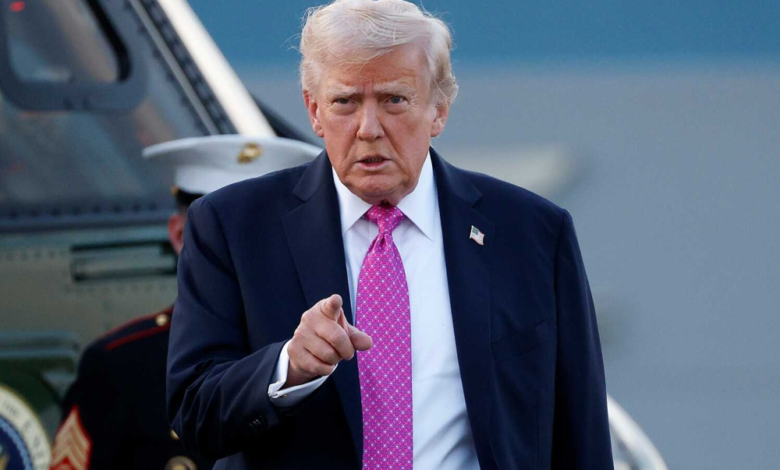
في تصعيد لافت للخطاب السياسي، وجه الرئيس الأميركي دونالد ترامب تحذيراً شديد اللهجة إلى طهران، مطالباً إياها بضرورة التعامل بجدية تامة مع ملف المفاوضات الجارية. يأتي هذا التصريح في وقت حرج يهدف إلى إنهاء حالة الحرب والتوترات المتصاعدة في منطقة الشرق الأوسط، خاصة في أعقاب الهجوم الذي شنته الولايات المتحدة وإسرائيل على الجمهورية الإسلامية في الثامن والعشرين من فبراير. وفي هذا السياق، استخدم ترامب منصته الاجتماعية المفضلة “تروث سوشيال” لتوجيه رسائله، حيث صرح بأن المفاوضين الإيرانيين يتوسلون لإبرام صفقة. وأشار بوضوح إلى أن هذا التوجه هو الخيار المنطقي والوحيد أمامهم في ظل التراجعات والضربات العسكرية التي تعرضوا لها مؤخراً، مضيفاً بلهجة حاسمة: “من الأفضل لهم أن يصبحوا جادين قريباً، قبل أن يفوت الأوان، لأنه عندما يحدث ذلك، لن تكون هناك عودة إلى الوراء، ولن يكون الأمر جميلاً”.
الخلفية التاريخية: سياسة الضغوط القصوى
لفهم أبعاد هذا التصريح، يجب النظر إلى السياق العام والخلفية التاريخية للعلاقات بين ترامب وإيران. لطالما تبنى دونالد ترامب سياسة متشددة تجاه طهران عُرفت إعلامياً وسياسياً باسم سياسة “الضغوط القصوى”. ففي عام 2018، اتخذ ترامب قراراً مفصلياً بالانسحاب الأحادي من الاتفاق النووي الإيراني (خطة العمل الشاملة المشتركة) الذي أُبرم في عام 2015، معيداً فرض عقوبات اقتصادية قاسية استهدفت بشكل أساسي قطاعات النفط والمصارف الإيرانية. هذه السياسة كانت تهدف إلى إجبار إيران على العودة إلى طاولة المفاوضات للتوصل إلى اتفاق جديد يشمل ليس فقط برنامجها النووي، بل أيضاً برنامج الصواريخ الباليستية ونفوذها الإقليمي. وقد بلغت التوترات ذروتها في مطلع عام 2020 مع تصاعد المواجهات، مما يجعل تهديدات ترامب الحالية امتداداً لنهجه الصارم الذي لا يستبعد الخيارات العسكرية الصارمة إذا فشلت الدبلوماسية.
التأثير الإقليمي والمحلي لمسار المفاوضات
تكتسب هذه التطورات أهمية بالغة على الصعيدين المحلي والإقليمي. فمنطقة الشرق الأوسط تعيش على صفيح ساخن، وأي تصعيد إضافي بين الولايات المتحدة وإسرائيل من جهة، وإيران من جهة أخرى، ينذر بعواقب وخيمة قد تتجاوز الحدود الجغرافية للدول المعنية. محلياً، تعاني إيران من أزمات اقتصادية خانقة نتيجة العقوبات المستمرة، مما يجعل التوصل إلى تسوية دبلوماسية حاجة ملحة لتخفيف الضغط الداخلي وتحسين الأوضاع المعيشية للمواطنين. إقليمياً، يترقب الفاعلون في المنطقة مسار هذه المفاوضات بحذر شديد، حيث أن نجاحها قد يؤدي إلى خفض التصعيد وتراجع حدة النزاعات بالوكالة في عدة دول عربية، مما يمهد الطريق لمرحلة من الاستقرار النسبي الذي طال انتظاره.
التداعيات الدولية والأمن العالمي
أما على الصعيد الدولي، فإن تأثير هذه المفاوضات يتجاوز البعد السياسي والأمني ليصل إلى صميم الاقتصاد العالمي. تعتبر منطقة الخليج العربي ومضيق هرمز شرياناً حيوياً لإمدادات الطاقة العالمية. أي انهيار للمفاوضات وتوجه نحو خيار التصعيد العسكري الشامل، كما ألمح ترامب في تحذيره من “فوات الأوان”، سيؤدي حتماً إلى اضطرابات غير مسبوقة في أسواق النفط والغاز، مما يهدد الاقتصاد العالمي الذي يعاني بالفعل من تحديات تضخمية. لذلك، تنظر القوى الكبرى إلى هذه التحركات الأميركية الإيرانية باهتمام بالغ، وتدفع باتجاه تغليب لغة الحوار وتجنب الانزلاق نحو حرب إقليمية واسعة النطاق قد لا يمكن السيطرة على تداعياتها الكارثية.