
مقدمة: لحظات رعب في ملاعب كرة القدم المصرية
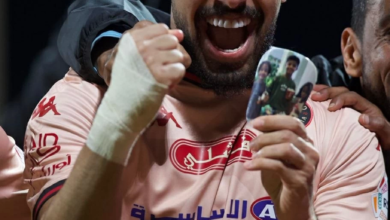
شهدت ملاعب كرة القدم المصرية لحظات عصيبة ومروعة خلال الساعات الماضية، حيث تعرض نجم نادي بيراميدز، اللاعب محمد حمدي، لإصابة بالغة الخطورة كادت أن تودي بحياته خلال مباراة فريقه أمام نادي بتروجيت في إطار منافسات بطولة كأس مصر. أعادت هذه الحادثة إلى الأذهان العديد من الحوادث المشابهة التي تحبس أنفاس الجماهير وتؤكد على الأهمية القصوى للتدخل الطبي السريع داخل المستطيل الأخضر.
تفاصيل الإصابة: اصطدام مروع وفقدان للوعي
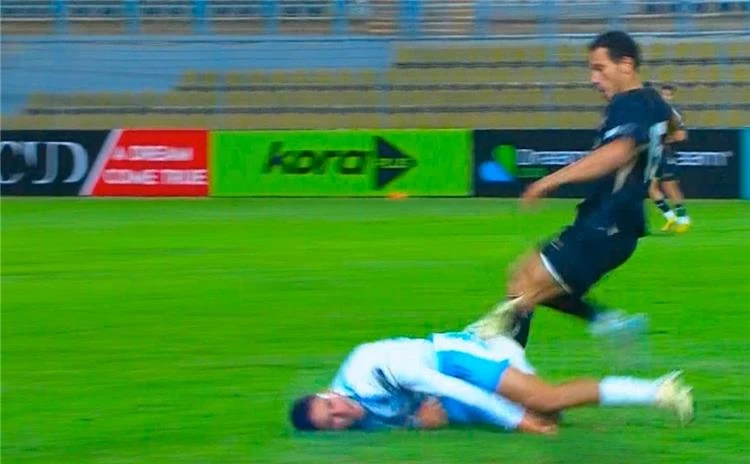
في الدقيقة الخمسين من عمر المباراة، وفي خضم التنافس القوي بين الفريقين، حدث تدخل مشترك وعنيف في الهواء بين محمد حمدي وأحد لاعبي فريق بتروجيت. أسفر هذا الاحتكاك عن سقوط حمدي بشكل خاطئ واصطدام رأسه بقوة شديدة بأرضية الملعب. ووفقاً للتصريحات التي أدلى بها طبيب نادي بيراميدز، الدكتور مصطفى المنيري، فقد تسبب هذا السقوط المروع في إصابة اللاعب بارتجاج في المخ، تلاه فقدان كامل للوعي. ولم يتوقف الأمر عند هذا الحد، بل تطورت الحالة إلى ما يُعرف رياضياً بـ «بلع اللسان»، مما أدى إلى إغلاق مجرى التنفس بالكامل وحدوث تشنجات عضلية شديدة ومقلقة.
التدخل الطبي السريع: إنقاذ حياة في ثوانٍ معدودة
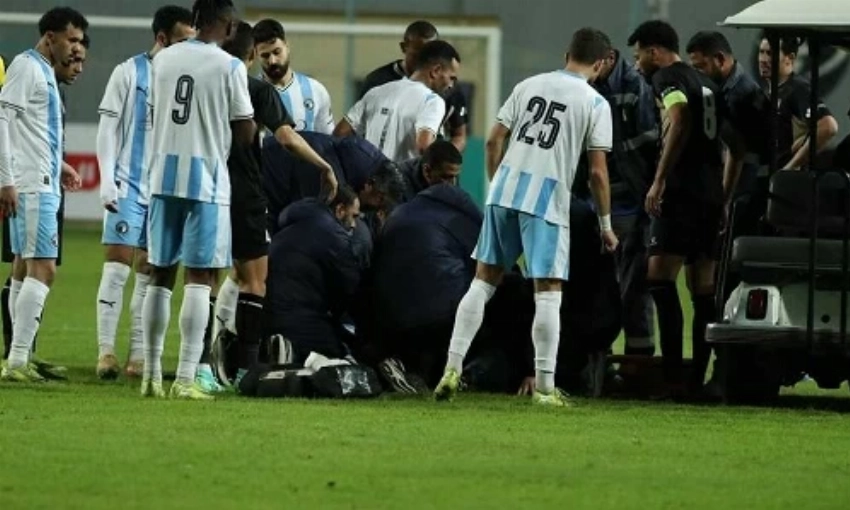
في مثل هذه الحالات الحرجة، تُحسب الثواني بأرواح. وهنا برز الدور البطولي للطاقم الطبي لنادي بيراميدز. أوضح الدكتور المنيري أن الفريق الطبي تدخل على الفور وباحترافية عالية، حيث تم العمل بشكل عاجل على فتح مجرى الهواء لضمان عودة الأكسجين إلى الرئتين. كما تم وضع اللاعب في «وضعية الإفاقة» الجانبية، مع الحرص الشديد على تثبيت الفقرات العنقية كإجراء احترازي بالغ الأهمية، خوفاً من وجود أي إصابات خفية قد تؤثر على النخاع الشوكي وتسبب مضاعفات كارثية.
الاستقرار الصحي ومغادرة المستشفى
لحسن الحظ، تكللت جهود الطاقم الطبي بالنجاح. فبمجرد استعادة محمد حمدي لوعيه وانتظام عملية التنفس وعودة النبض إلى معدلاته الطبيعية، تم نقله بسيارة الإسعاف المجهزة إلى أقرب مستشفى لإجراء الفحوصات الطبية الشاملة والأشعة اللازمة للاطمئنان على سلامة المخ والجمجمة. وقد طمأن الدكتور المنيري الجماهير الرياضية، مشيراً إلى أن اللاعب قد غادر المستشفى بالفعل بعد التأكد من سلامته، وهو الآن يتمتع بحالة صحية جيدة ومستقرة.
السياق الطبي والتاريخي لحوادث «بلع اللسان» في الملاعب
من الناحية الطبية، يُعد مصطلح «بلع اللسان» تعبيراً شائعاً ولكنه غير دقيق علمياً؛ فما يحدث فعلياً هو ارتخاء شديد في عضلة اللسان نتيجة فقدان الوعي، مما يؤدي إلى سقوط قاعدة اللسان للخلف وسد القصبة الهوائية. تاريخياً، شهدت ملاعب كرة القدم العالمية والمحلية حوادث مشابهة كادت أن تنتهي بكوارث لولا العناية الإلهية ويقظة الأطباء. تسلط هذه الحادثة الضوء مجدداً على ضرورة تجهيز الملاعب بأحدث المعدات الطبية، وتدريب الأجهزة الفنية واللاعبين على مبادئ الإسعافات الأولية، حيث أثبتت التجربة أن التدخل الفوري والسليم هو العامل الحاسم في إنقاذ حياة الرياضيين.
تأثير الحادثة على الساحة الرياضية
على المستوى المحلي والإقليمي، أثارت إصابة محمد حمدي موجة من التعاطف الكبير من قبل الجماهير بمختلف انتماءاتها، وتصدرت الحادثة منصات التواصل الاجتماعي ووسائل الإعلام الرياضية. كما أعادت هذه الواقعة فتح النقاش حول بروتوكولات السلامة في البطولات المحلية مثل كأس مصر، التي تُعد أقدم وأعرق بطولة في تاريخ كرة القدم المصرية. إن حماية اللاعبين وتوفير بيئة آمنة للمنافسة يجب أن يظل الأولوية القصوى للاتحادات والأندية الرياضية على حد سواء.