Trump warns allies: Dire consequences if the Strait of Hormuz is not secured

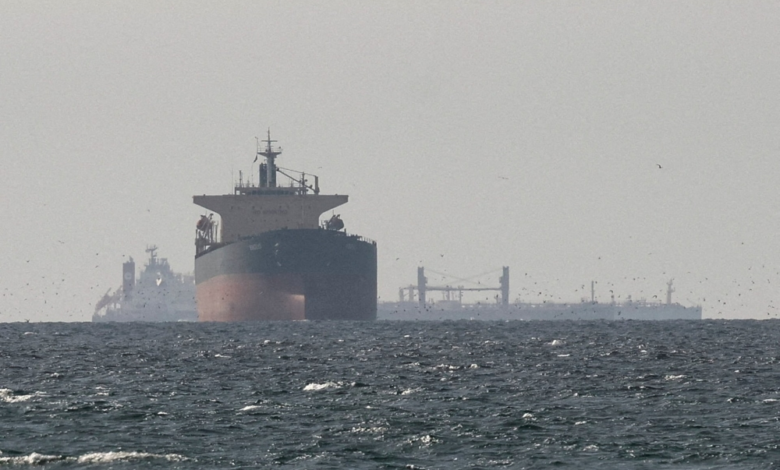
In a striking escalation reflecting rising geopolitical tensions, US President Donald Trump issued a stark and stern warning to US allies, particularly NATO, that they face dire consequences if they fail to actively participate in securing and reopening the Strait of Hormuz. This statement comes at a time when maritime traffic in this vital waterway is virtually at a standstill due to ongoing Iranian threats and attacks.
The strategic and historical importance of the Strait of Hormuz
The Strait of Hormuz is one of the world's most strategically important waterways, connecting the Persian Gulf, the Gulf of Oman, and the Arabian Sea. Historically, this strait has been a flashpoint for international tensions, particularly during the Tanker War of the 1980s. Its paramount importance lies in its role as the main artery for global energy flows, with approximately one-fifth of the world's oil production passing through it daily. Any threat to navigation in this strait poses a direct threat to global economic security and the stability of energy markets.
American call to take responsibility
In an interview with the Financial Times, Trump explained his position, saying it was perfectly natural and logical for countries benefiting from the strait to contribute to its security and prevent any unfortunate incidents. He emphasized a significant paradox: countries like China and European nations are almost entirely dependent on oil from the Arabian Gulf region, while the United States, thanks to its diversified energy sources, is not as reliant on the strait. He added a warning: if the American request for assistance is not met with a positive response, or if the response is negative, it will have serious consequences for the future of NATO.
Pressure on Beijing and threats to postpone the summit
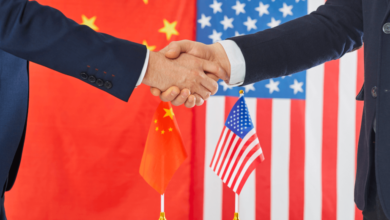
Trump's warnings weren't limited to Western allies; they extended to China, the world's largest economy. The US president hinted at the possibility of postponing the upcoming summit in Beijing with his Chinese counterpart, Xi Jinping, scheduled for March 31 to April 2, unless Beijing provided the necessary assistance to reopen the Strait of Hormuz. Trump justified this demand with a compelling economic fact, pointing out that China imports approximately 90% of its oil needs through this waterway, making its protection a paramount Chinese interest. He emphasized that he wanted to know China's response before the summit.
The economic and geopolitical repercussions of the crisis
The impact of closing or disrupting navigation through the Strait of Hormuz extends far beyond regional boundaries, striking at the heart of the global economy. Regionally, the economies of oil-exporting countries, whose budgets rely heavily on oil revenues, are severely affected. Internationally, the disruption of supplies has already led to a sharp rise in energy prices, particularly oil, reaching record highs not seen in years. This surge threatens to trigger global inflation, which could burden consumers and hinder economic growth in major industrialized nations.
International alliance to protect energy supplies
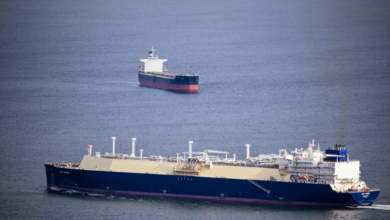
In the midst of this crisis, Trump issued a clear call for several countries to send warships and naval vessels to help protect global oil supplies passing through the Strait of Hormuz. This move aims to create an international deterrent force to ensure freedom of navigation and counter Iranian threats that have brought trade through the strait to a near standstill since tensions escalated. Securing this waterway is no longer merely a political option, but an imperative for maintaining the stability of the global economy.