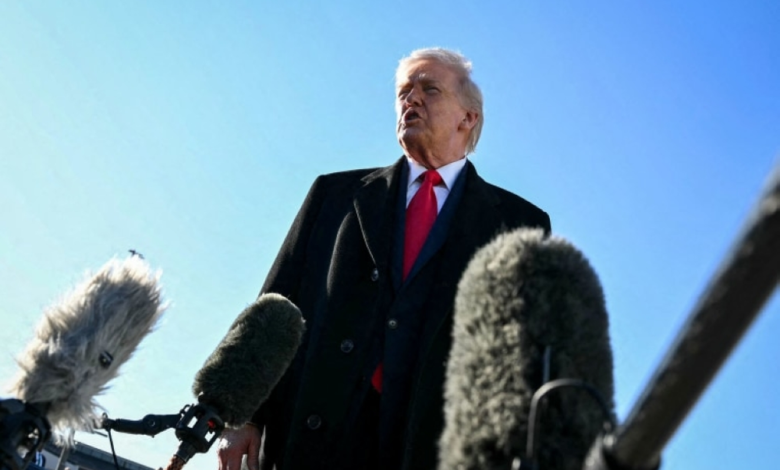

صعّد الرئيس الأمريكي دونالد ترامب من لهجته تجاه طهران، موجهاً تحذيراً شديد اللهجة للقيادة الإيرانية من مغبة الفشل في التوصل إلى اتفاق جديد، وذلك قبيل ساعات من انطلاق جولة جديدة من المحادثات غير المباشرة بين الولايات المتحدة والجمهورية الإسلامية في مدينة جنيف السويسرية. وتأتي هذه التصريحات في وقت تشهد فيه المنطقة توتراً عسكرياً ودبلوماسياً غير مسبوق.
رسائل حادة من «إير فورس وان»
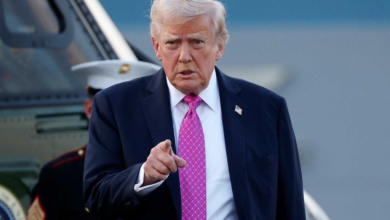
وفي تصريحات للصحفيين يوم الاثنين على متن الطائرة الرئاسية "إير فورس وان" أثناء توجهه إلى واشنطن، قال ترامب بوضوح: "سأشارك في تلك المحادثات بشكل غير مباشر". وأضاف في إشارة إلى الضغوط الاقتصادية والسياسية التي تمارسها إدارته: "إنهم يريدون إبرام اتفاق، ولا أعتقد أنهم يريدون تحمل عواقب عدم إبرام اتفاق"، ملمحاً إلى أن البديل عن الدبلوماسية سيكون مكلفاً للغاية بالنسبة للنظام في طهران.
تحركات دبلوماسية إيرانية وسط التوتر
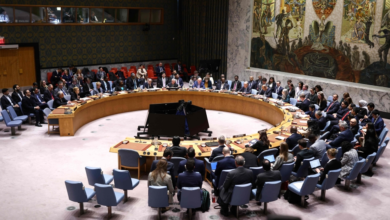
في المقابل، وصل وزير الخارجية الإيراني عباس عراقجي إلى جنيف للمشاركة في الجولة الثانية من المحادثات المقررة، حيث نقل التلفزيون الرسمي الإيراني عن مصادر دبلوماسية أن طهران ترى أن الموقف الأمريكي بشأن ملفها النووي أصبح "أكثر واقعية". وتأتي هذه الجولة بعد مباحثات سابقة عقدت بوساطة عُمانية، في محاولة لكسر الجمود الذي أصاب الملف النووي.
سياق عسكري متفجر في مضيق هرمز
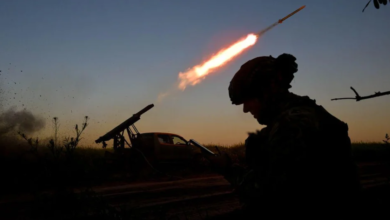
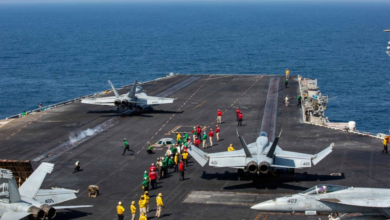
تتزامن هذه التحركات الدبلوماسية مع استعراض للقوة العسكرية في مياه الخليج؛ إذ بدأ الحرس الثوري الإيراني مناورات عسكرية في مضيق هرمز الاستراتيجي، الذي يعد شريان النفط العالمي. ويأتي ذلك رداً على تكثيف واشنطن لانتشارها العسكري في المنطقة، والذي شمل نشر حاملة طائرات وإرسال أخرى للانضمام إليها، مما يضع المفاوضات تحت ضغط التهديد العسكري المتبادل.
خلفية الصراع والملف النووي
تكتسب هذه المحادثات أهمية قصوى بالنظر إلى الخلفية التاريخية المعقدة للعلاقات بين البلدين، لا سيما بعد انسحاب الولايات المتحدة الأحادي من الاتفاق النووي (خطة العمل الشاملة المشتركة) لعام 2015، وإعادة فرض عقوبات قاسية ضمن حملة "الضغوط القصوى". وتسعى واشنطن حالياً إلى صياغة اتفاق جديد وشامل يعالج ليس فقط البرنامج النووي، بل أيضاً برنامج الصواريخ الباليستية والنفوذ الإقليمي لإيران، وهو ما كانت ترفضه طهران سابقاً.
تداعيات إقليمية ودولية مرتقبة
يرى مراقبون أن نجاح أو فشل محادثات جنيف سيشكل نقطة تحول في المشهد الجيوسياسي للشرق الأوسط. فالتوصل إلى اتفاق قد يؤدي إلى خفض التصعيد ورفع العقوبات التي أثقلت كاهل الاقتصاد الإيراني، مما ينعكس إيجاباً على استقرار أسواق الطاقة العالمية. أما الفشل، فقد يفتح الباب أمام سيناريوهات مفتوحة من التصعيد العسكري، مما يهدد أمن الملاحة الدولية ويزيد من تعقيد الأزمات الإقليمية المتشابكة.