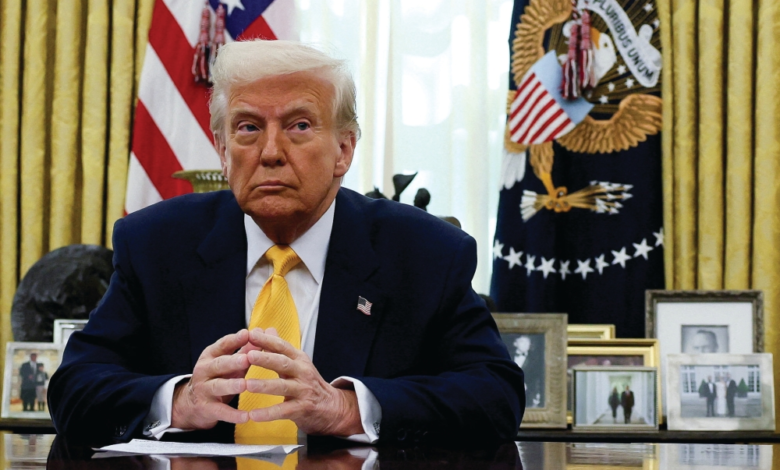

وجه الرئيس الأمريكي دونالد ترامب تحذيراً شديد اللهجة إلى النظام الإيراني، مؤكداً أن العواقب ستكون "مؤلمة جداً" في حال فشل طهران في التوصل إلى اتفاق جديد وشامل بشأن برنامجها النووي. وجاءت هذه التصريحات في وقت تشهد فيه العلاقات بين واشنطن وطهران توتراً غير مسبوق، وسط مساعٍ أمريكية لفرض قيود أكثر صرامة على الطموحات النووية الإيرانية.
تفاصيل التحذير الأمريكي وتوقعات المحادثات
في رد على سؤال صحفي يتعلق بمشاوراته المستمرة مع رئيس وزراء الاحتلال الإسرائيلي بنيامين نتنياهو حول الملف الإيراني، قال ترامب بوضوح: "علينا التوصل إلى اتفاق، وإلا فسيكون الأمر مؤلماً جداً.. لا أريد أن يحصل ذلك، لكن علينا التوصل إلى اتفاق". وأعرب الرئيس الأمريكي عن أمله في أن تسفر الضغوط الحالية عن نتيجة ملموسة خلال الفترة المقبلة، مشيراً إلى أن الخيار الدبلوماسي لا يزال متاحاً ولكن بشروط محددة تضمن الأمن الإقليمي.
وأضاف ترامب أن الانتقال إلى "المرحلة الثانية" في حال فشل المفاوضات سيكون أمراً بالغ الصعوبة بالنسبة لإيران، في إشارة ضمنية إلى تشديد العقوبات الاقتصادية أو اللجوء إلى خيارات عسكرية محتملة.
سياق التوتر: سياسة الضغط الأقصى
تأتي هذه التصريحات في سياق استراتيجية "الضغط الأقصى" التي تبنتها الإدارة الأمريكية منذ انسحابها الأحادي من الاتفاق النووي (خطة العمل الشاملة المشتركة) لعام 2015. وترى واشنطن أن الاتفاق السابق لم يكن كافياً لمنع إيران من تطوير سلاح نووي على المدى الطويل، كما أنه لم يعالج برنامج الصواريخ الباليستية الإيراني أو نفوذها الإقليمي.
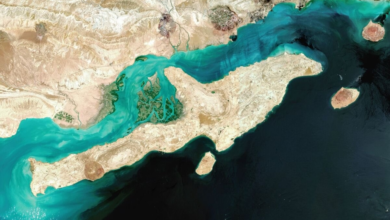
وقد أدى هذا الانسحاب وإعادة فرض العقوبات الاقتصادية الخانقة إلى تدهور حاد في الاقتصاد الإيراني، مما زاد من حدة التوتر في منطقة الخليج العربي ومضيق هرمز، حيث تسعى الولايات المتحدة لإجبار طهران على الجلوس إلى طاولة المفاوضات بشروط جديدة.
التلويح بالخيار العسكري والتنسيق مع الحلفاء
لم يستبعد الرئيس الأمريكي الخيارات العسكرية، حيث أشار في سياق حديثه إلى القدرات العسكرية الأمريكية الهائلة في المنطقة، بما في ذلك دراسة احتمال إرسال حاملات طائرات إضافية إلى الشرق الأوسط كرسالة ردع. ويأتي هذا التلويح بالقوة بالتنسيق الوثيق مع الحلفاء الإقليميين، وعلى رأسهم إسرائيل، التي تعتبر البرنامج النووي الإيراني تهديداً وجودياً لها.
ويرى مراقبون أن حديث ترامب عن "الألم" لا يقتصر فقط على الضربات العسكرية المحتملة للمنشآت النووية، بل يشمل أيضاً عزلاً دبلوماسياً واقتصادياً كاملاً قد يؤدي إلى اضطرابات داخلية في إيران. وتبقى المنطقة في حالة ترقب لما ستسفر عنه الأسابيع المقبلة، وهل ستنجح الدبلوماسية في نزع فتيل الأزمة أم ستتجه الأمور نحو تصعيد مفتوح.