Trump warns Iran: Time is running out and military options are on the table

In a further escalation of tensions between Washington and Tehran, US President Donald Trump expressed his conviction on Friday that the Iranian regime is seriously seeking a new agreement with the United States to avoid the catastrophic consequences of a potential US military strike. Speaking to reporters in the Oval Office, Trump indicated that he had set a deadline for Tehran to respond to US proposals, emphasizing that only the Iranian leadership knows when that deadline will expire.
“I can say they want to make a deal,” Trump told reporters confidently, adding when asked if there was a specific timeframe: “Yes, I did, and they know that timeframe very well.” These remarks come at a highly sensitive time, as the US administration seeks to exert maximum diplomatic and military pressure to force Tehran to the negotiating table.
The context of tension and the maximum pressure strategy
These statements cannot be separated from the general context of strained US-Iranian relations since Washington’s unilateral withdrawal from the nuclear agreement (Joint Comprehensive Plan of Action) in 2018. Since then, the Trump administration has adopted a “maximum pressure” strategy, which has included imposing crippling economic sanctions targeting Iran’s oil and banking sectors, with the aim of undermining Tehran’s ability to finance its regional influence and missile program.
Observers believe that Trump's talk of "running out of time" is part of the psychological warfare accompanying the military moves, as Washington aims to exploit Iran's economic distress to push it towards making substantial concessions related not only to the nuclear issue, but also to its behavior in the Middle East.
Military reinforcements and confrontation scenarios
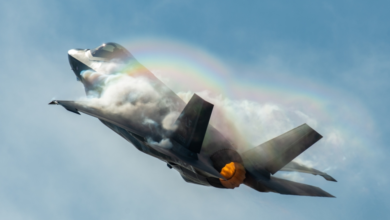
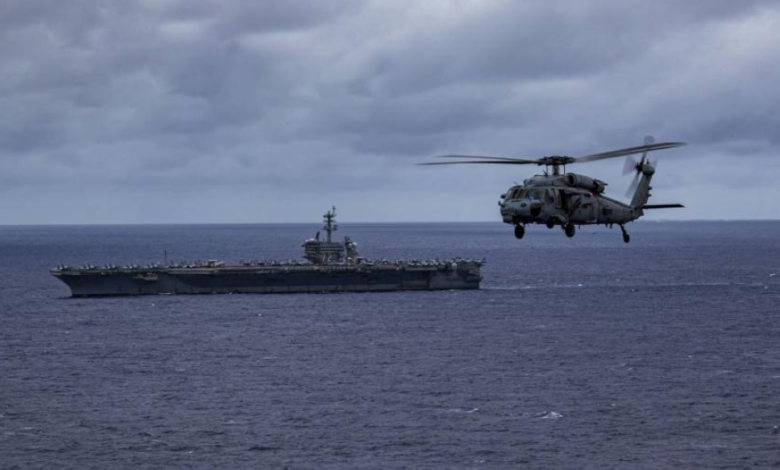
On the ground, the United States translated its threats into concrete action by bolstering its military presence in the Arabian Gulf region. This reinforcement included the deployment of a naval strike group led by the aircraft carrier USS Abraham Lincoln, along with strategic bombers, in a clear message of deterrence.
Although Trump declined to disclose details of his military plans, he alluded to the formidable strength of the US fleet in the region, comparing it to the deployment off the coast of Venezuela. "I don't want to talk about anything related to my military plans, but we have a very powerful fleet in this region," Trump said, emphasizing the readiness of US forces to respond to any contingency.
Potential regional and international repercussions
This escalation is raising widespread concerns at both the regional and international levels. Regionally, neighboring countries fear that any military clash could ignite the entire region, threatening the security of vital waterways such as the Strait of Hormuz, through which a significant portion of the world's oil supply passes.
Internationally, European and other major capitals are watching developments with great concern, as any military confrontation could lead to a dramatic surge in energy prices, further damaging the fragile global economy. International actors hope that back-channel diplomacy will succeed in containing the situation before the expiration of the "secret deadline" mentioned by the US president, thus averting a scenario of open war.