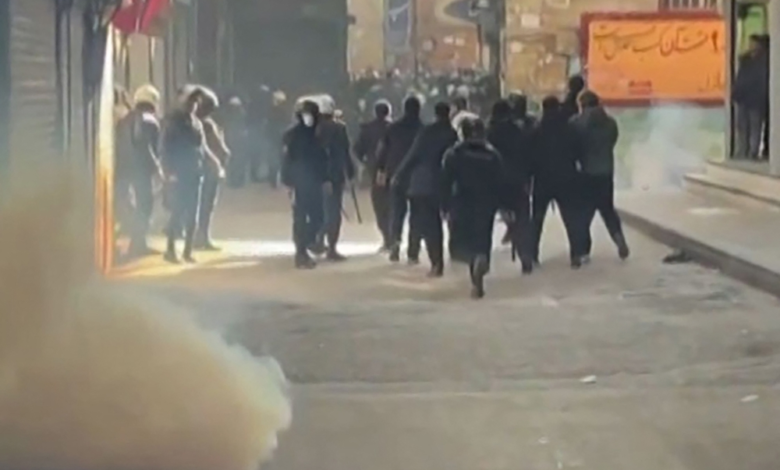

في تطور لافت للأحداث المتصاعدة في الشرق الأوسط، أعلنت الحكومة الكندية، اليوم الخميس، بشكل رسمي عن مقتل أحد مواطنيها على يد قوات الأمن الإيرانية، وذلك في خضم موجة الاحتجاجات العارمة التي تجتاح المدن الإيرانية منذ نحو ثلاثة أسابيع. هذا الإعلان يمثل نقطة تحول جديدة في مسار العلاقات المتوترة أصلاً بين طهران والعواصم الغربية.
تفاصيل الحادثة والموقف الكندي
أكدت الوزيرة الكندية أنيتا آناند، عبر تدوينة لها على منصة التواصل الاجتماعي "إكس"، نبأ مقتل المواطن الكندي، مشيرة إلى أن المعلومات الواردة تفيد بتورط السلطات الإيرانية في الحادث. وصرحت الوزيرة بلهجة شديدة اللهجة قائلة: "علمت للتو أن مواطنًا كنديًا قُتل في إيران على يد السلطات الإيرانية"، مضيفة أن لجوء النظام الإيراني للعنف في مواجهة المطالب الشعبية السلمية يعكس تجاهلاً صارخاً لقيمة الحياة البشرية وانتهاكاً مستمراً لحقوق الإنسان.
وفي سياق متصل، أوضح مسؤول في وزارة الخارجية الكندية لوكالة فرانس برس أن التقديرات الأولية تشير إلى أن الضحية سقط برصاص قوات الأمن خلال مشاركته أو تواجده في محيط الاحتجاجات. وأكدت الوزارة في بيان رسمي أن مسؤولي القنصلية يتواصلون حالياً مع عائلة الضحية في كندا لتقديم الدعم اللازم، معربة عن إدانتها الشديدة لما وصفته بـ "القتل المروع" للمتظاهرين.
خلفية الاحتجاجات والسياق العام
تأتي هذه الحادثة في وقت تشهد فيه إيران حراكاً شعبياً واسعاً، حيث اندلعت الاحتجاجات قبل نحو ثلاثة أسابيع للمطالبة بالحريات الأساسية وإصلاحات سياسية واجتماعية. وتواجه هذه التحركات بقمع أمني مكثف، وهو سيناريو تكرر في احتجاجات سابقة، مما يضع النظام الإيراني تحت مجهر الانتقادات الدولية المستمرة بخصوص سجل حقوق الإنسان.
تحذيرات للرعايا وتداعيات دولية
على ضوء هذه التطورات الخطيرة، جددت كندا تحذيراتها لرعاياها المتواجدين في إيران، والذين يقدر عددهم بنحو 3000 شخص، داعية إياهم للمغادرة فوراً طالما أن ذلك متاح بشكل آمن، نظراً لعدم قدرة البعثات الدبلوماسية على ضمان سلامتهم في ظل الأوضاع الراهنة.
موقف مجموعة السبع: التلويح بالعقوبات
لم يقتصر رد الفعل على الجانب الكندي فحسب، بل اتخذ بعداً دولياً واسعاً. فقد أصدر وزراء خارجية دول مجموعة السبع (G7)، التي تضم الولايات المتحدة، ألمانيا، فرنسا، إيطاليا، اليابان، المملكة المتحدة، وكندا، بياناً مشتركاً حازماً. وأعلن الوزراء استعدادهم لفرض "إجراءات تقييدية إضافية" وعقوبات جديدة إذا واصلت طهران نهجها في قمع المحتجين.
وأعربت المجموعة، في البيان الصادر عن الرئاسة الفرنسية للتكتل، عن قلقها البالغ إزاء التقارير التي توثق سقوط أعداد كبيرة من القتلى والجرحى، مدينةً استخدام العنف المتعمد والاعتقالات التعسفيّة كأدوات لترهيب المتظاهرين. ويرى مراقبون أن هذا الحادث قد يزيد من عزلة إيران الدولية ويعقد أي مساعٍ دبلوماسية مستقبلية بين طهران والغرب.