Trump's stance on Iran's participation in the 2026 World Cup and the possible alternative

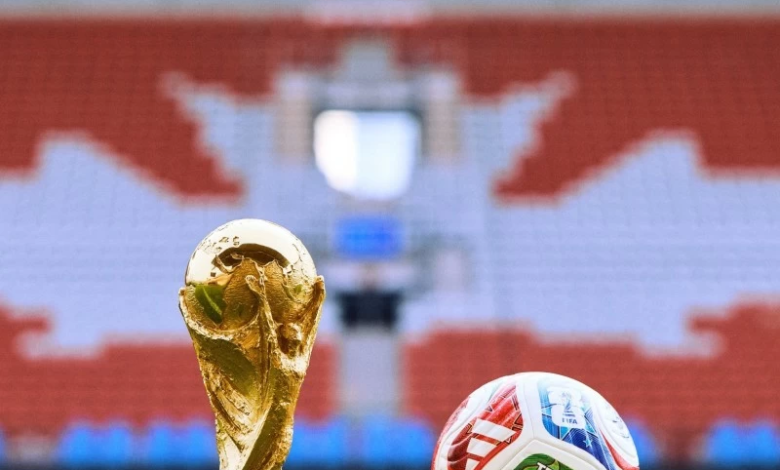
Recent American press reports have revealed US President Donald Trump's stance on the Iranian national team's participation in the 2026 World Cup, which is scheduled to be co-hosted by the United States, Mexico, and Canada. According to USA Today, the US administration is not showing particular interest or direct political concern regarding the Iranian team's presence on American soil, despite escalating geopolitical tensions.
Group 7 details and match schedules
These reports come as the world prepares for the largest World Cup in history, featuring 48 teams for the first time. The draw has placed the Iranian national team in a challenging group stage, starting with a match against New Zealand, followed by a tough encounter against Belgium, before concluding their group stage matches with a highly anticipated game against Egypt in the second half of June 2026. Los Angeles is scheduled to host two of Iran's matches, while Seattle will host the final group stage match against Egypt on June 26.
Regional tensions and the possibility of withdrawal
On the official level, Mehdi Taj, head of the Iranian Football Federation, had previously hinted at the possibility of his country's national team withdrawing from the tournament. This threat comes amid escalating military tensions in the Middle East, specifically after Israel announced on February 28 that it had carried out what it described as "preemptive" strikes against Iranian targets, casting doubt on the sporting participation amid security and political concerns.
FIFA regulations and the nominated Arab alternative
Should Tehran officially withdraw, FIFA regulations are clear on this matter. A replacement team from the same continent (Asia) will be called up. Expectations and regulations indicate that the UAE national team is the most likely candidate to fill the void left by Iran, given their third-place finish in their Asian qualifying group. The replacement team will occupy the same position in Group G and the same match schedule, facing Egypt, Belgium, and New Zealand at the same times and venues already established.
A history of tense confrontations
This situation brings to mind a long history of the intertwining of politics and sports in US-Iranian relations. Perhaps the most prominent example was the 1998 World Cup match between the two national teams in France, described at the time as the "most politically charged match" in history. Iran won 2-1, but the game also featured gestures of peace exchanged between the players. Today, with the United States hosting the event, the political sensitivities are heightened, but FIFA is striving to keep the stadiums neutral from international conflicts.
FIFA's official position
For his part, FIFA Secretary General Mattias Grafström confirmed that FIFA is closely monitoring the current situation, especially in light of recent military developments. Grafström stressed that the federation's top priority is ensuring the safety of all participating delegations and fans, and working to hold a safe tournament free from political tensions. He affirmed FIFA's commitment to strictly enforcing regulations to guarantee the smooth running of the tournament.