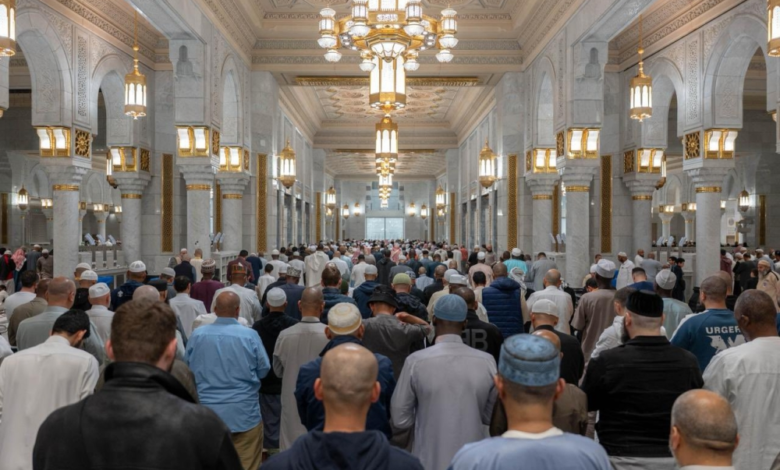
The Two Holy Mosques' plan to receive millions on the 27th night of Ramadan

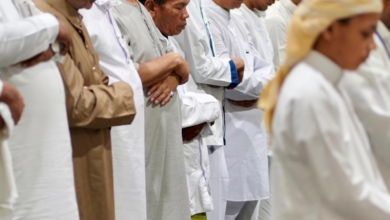
Millions of Muslims around the world turn their attention to Mecca and Medina as the 27th night of Ramadan , witnessing a noticeable increase in activity and preparations within the Grand Mosque and the Prophet's Mosque. This night is considered one of the busiest and most crowded nights of the holy month, with worshippers and pilgrims seeking God's mercy and forgiveness in a serene and spiritually uplifting atmosphere.
The historical and religious context of the 27th night of Ramadan
The 27th night of Ramadan holds immense significance in the Muslim consciousness. Many prominent scholars and Quranic commentators believe it to be Laylat al-Qadr, the Night of Decree, the night on which the Quran was revealed. God Almighty described this night in His Holy Book as being better than a thousand months. Historically, since the time of the Prophet Muhammad (peace be upon him), Muslims have been keen to seek this blessed night during the last ten days of Ramadan, observing i'tikaf (seclusion for worship) in mosques and intensifying their acts of worship, including prayer, supplication, and Quran recitation. With the passage of time and the development of transportation, the pilgrimage to the Two Holy Mosques on this night has become a global Islamic tradition, where millions gather in a magnificent display of faith, embodying the unity and solidarity of the Muslim Ummah from diverse backgrounds and languages.
Local, regional and international impact
The impact of this massive annual event extends far beyond the spiritual and religious spheres, encompassing broad local and international dimensions. Locally, these extensive preparations reflect the Kingdom of Saudi Arabia's exceptional ability to efficiently and effectively manage millions of pilgrims, aligning directly with the goals of Saudi Vision 2030, which aims to provide the highest quality services to the guests of God and facilitate their stay. Regionally and internationally, the live television broadcast of the Taraweeh and Qiyam prayers from the Two Holy Mosques connects millions of Muslims worldwide to the heart of the Islamic world, fostering a sense of belonging and spiritual peace, and highlighting Islam's tolerant message of tranquility and security.
Intensive efforts and an integrated operational system
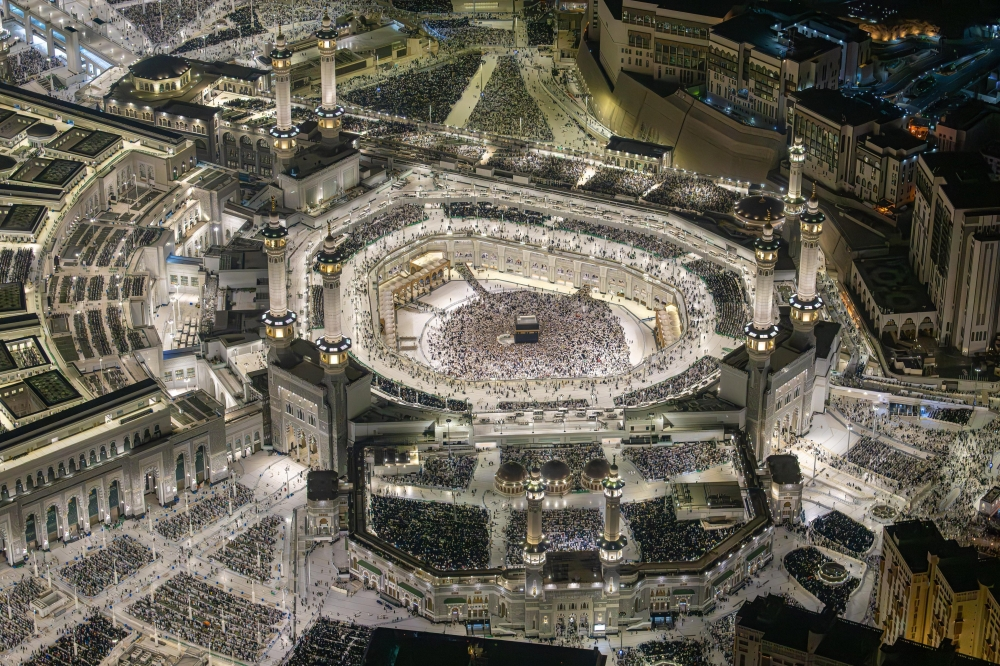
In this context, related to serving those visiting the House of God, the General Authority for the Care of the Two Holy Mosques announced the activation of a comprehensive operational system to accommodate the expected crowds. The Authority has intensified its field operations by providing meticulous care for the carpets, cleaning and perfuming them, in addition to preparing extra prayer areas to accommodate the increasing number of worshippers. Cleaning, disinfection, sterilization, and fumigation efforts have also been enhanced in all corridors and passageways, along with the provision of ample quantities of blessed Zamzam water at various locations to cool and refresh the atmosphere for those visiting the Two Holy Mosques.
Regarding infrastructure, the authority raised the readiness level of its electricity and power systems to the highest degree, and enhanced the efficiency of air conditioning, lighting, and sound systems that transmit the imams' voices with crystal clarity. The complete readiness of elevators, escalators, and safety and emergency systems was also confirmed to ensure the continuity of services according to the highest standards of reliability during peak times.
Crowd management and smart technologies
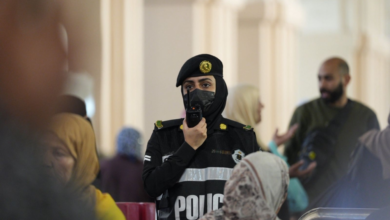
To ensure smooth movement and prevent overcrowding, the General Presidency for the Affairs of the Two Holy Mosques has intensified its crowd management efforts within the Grand Mosque, the Prophet's Mosque, and their courtyards. This includes activating dedicated pedestrian paths and walkways, providing two separate lanes for the Haram electric vehicles, and launching a shuttle service from hotels in the central area surrounding the Grand Mosque. To facilitate access, interactive 3D maps have been launched to guide visitors to the facilities and prayer areas, allowing them to choose the most suitable option. Additionally, a "Where Are We?" service using barcode technology has been activated to accurately pinpoint locations within the two holy mosques.
A development plan to serve the pilgrims
Continuing its commitment to ongoing development, the authority deployed mobile teams equipped with simultaneous translation devices to assist visitors in multiple languages and answer their inquiries. For the first time, guest care centers were activated to provide direct guidance and support. The development plan also included the use of Internet of Things (IoT) technologies based on real-time data to manage the flow of visitors to restrooms. Electronic screens display color-coded density levels, directing visitors to less crowded areas and effectively reducing waiting times.
Finally, to enrich the spiritual experience of those observing Itikaf and praying, the Authority provided additional copies of the Quran, including Braille versions for the visually impaired, and activated the “Digital Worship Guide.” Itikaf services were also enhanced through a comprehensive package of logistical, medical, and awareness-raising facilities, contributing to a safe and organized spiritual environment that enables pilgrims to perform their rituals with peace and ease on this blessed night.