The killing of Palestinians in Gaza threatens the truce process: details of the new phase

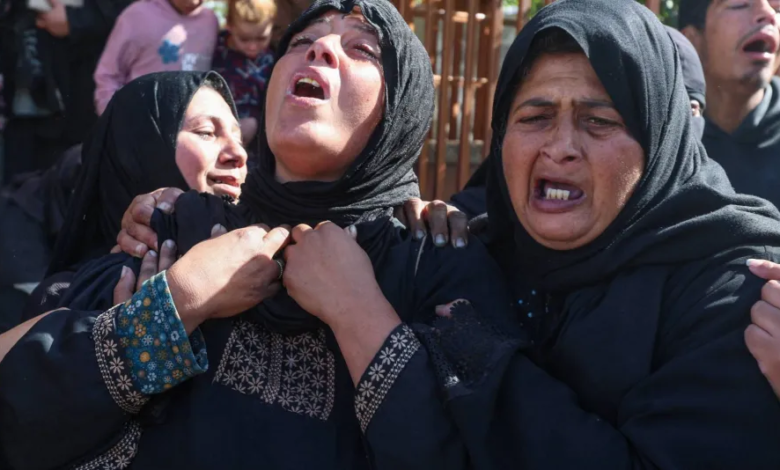
In a significant development on the ground that casts a shadow over the political and security landscape in the region, medical and field sources reported that two people were killed by Israeli forces in the Gaza Strip. This incident comes at a highly sensitive time, as attention is focused on the transition of the temporary truce agreement to its next phase, raising serious concerns about the fragile ceasefire's ability to withstand such violations on the ground.
The field context and the challenges of the truce
This incident comes amid intensive diplomatic efforts to solidify the truce and extend ceasefire periods to allow for the entry of more humanitarian aid and the completion of prisoner and detainee exchanges. Transitional phases in truce agreements are typically the most dangerous, as each side seeks to improve its negotiating position or test the other's reactions, making the situation on the ground volatile and prone to flare-ups at any moment.
Human dimensions and historical background
This event cannot be separated from the broader context of the suffering endured by the Gaza Strip. Historically, periods of calm in previous conflicts have witnessed similar violations, often leading either to the collapse of agreements or to intense international pressure to contain the situation. The Strip suffers from widespread destruction of infrastructure and a severe shortage of medical and food supplies, making the maintenance of the truce an absolute necessity for civilians who depend on it for a respite and access to urgent humanitarian aid.
International and regional role
At the international and regional levels, this incident presents new challenges for the mediators (Egypt, Qatar, and the United States). Continued violations could embarrass the guarantors of the agreement and complicate the ongoing negotiations aimed at achieving a more sustainable ceasefire. The international community fears that such isolated incidents could lead to an uncontrolled escalation, returning the region to a state of renewed violence and potentially drawing other regional actors into the conflict.
The future of the agreement amid the tensions
As the truce moves into its next phase, the most pressing question remains the ability of the parties involved to exercise restraint and prevent a slide back into full-blown conflict. The killing of these two individuals represents a true test of the hard-won understandings and underscores the urgent need for effective international monitoring mechanisms to ensure adherence to the agreement's terms and the protection of civilians in these complex circumstances.