
تسبب إعصار جانغمي في اليابان في حالة من التأهب القصوى، حيث أصدرت السلطات أوامر بإجلاء مئات الآلاف من السكان، بينما غرقَت مناطق واسعة في الظلام بسبب انقطاع التيار الكهربائي. العاصفة الاستوائية العنيفة، التي تواصل تحركها على طول السواحل اليابانية متجهة نحو العاصمة طوكيو، خلّفت وراءها تسعة مصابين على الأقل وأدت إلى شلل في حركة الطيران، مما ينذر بتحديات كبيرة خلال الساعات القادمة.
تُعد اليابان، بحكم موقعها الجغرافي في شمال غرب المحيط الهادئ، واحدة من أكثر الدول عرضة للأعاصير المدارية، المعروفة محليًا باسم “التايفون”. يمتد موسم الأعاصير عادةً من مايو إلى أكتوبر، ويبلغ ذروته في شهري أغسطس وسبتمبر. وخلال هذه الفترة، تتعرض البلاد بانتظام لعواصف قوية مصحوبة بأمطار غزيرة ورياح عاتية، مما يضع البنية التحتية وأنظمة الطوارئ في اختبار مستمر. ويأتي إعصار “جانغمي” كأول عاصفة كبيرة تضرب الأرخبيل هذا الموسم، مما يجدد المخاوف ويستدعي أعلى درجات الحيطة والحذر من قبل المواطنين والسلطات على حد سواء.
تأثير إعصار جانغمي في اليابان: إجلاء وتحذيرات واسعة
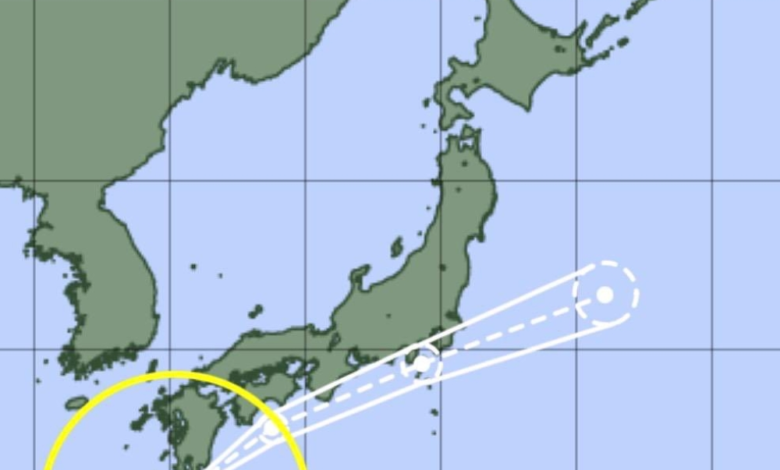
مع تقدم العاصفة، أصدرت السلطات في مدينة ميازاكي بجزيرة كيوشو دعوات لإجلاء ما يقرب من 390 ألف شخص، تحسبًا للفيضانات والانهيارات الأرضية. وفي جزيرة أوكيناوا، التي كانت أول من شعر بقوة الإعصار، أظهرت لقطات إعلامية محلية حجم الدمار الأولي، حيث اقتُلعت أشجار ضخمة بفعل الرياح العاتية التي صاحبت الأمطار الغزيرة. كما تسبب الإعصار في انقطاع واسع للكهرباء، حيث تأثر أكثر من 30 ألف منزل في منطقة كاغوشيما و17 ألف منزل آخر في أوكيناوا، وفقًا لتقارير شركات الكهرباء المحلية. وقد حذرت وكالة الأرصاد الجوية اليابانية من استمرار خطر الأمواج العاتية والفيضانات مع تحرك العاصفة شمالًا.
شلل في حركة النقل وتداعيات اقتصادية
امتد تأثير الإعصار ليشمل قطاع النقل الحيوي، حيث أعلنت كبرى شركات الطيران في اليابان، “أول نيبون إيرويز” (ANA) و”جابان إيرلاينز” (JAL)، عن إلغاء ما مجموعه 600 رحلة جوية كانت مقررة بين يومي الاثنين والأربعاء. هذا التعطيل لا يؤثر على المسافرين فحسب، بل يلقي بظلاله أيضًا على الأنشطة التجارية وسلاسل التوريد. وفي العاصمة طوكيو، التي من المتوقع أن تصلها العاصفة يوم الأربعاء، بدأت شركات النقل العام في بث رسائل تحذيرية للمسافرين حول احتمالية حدوث اضطرابات وتأخير في خدمات القطارات والحافلات، داعيةً السكان إلى متابعة التحديثات باستمرار وتجنب التنقلات غير الضرورية. على صعيد الإصابات البشرية، أكد المتحدث باسم الحكومة، مينورو كيهارا، أن إعصار “جانغمي”، المصنف حاليًا كعاصفة استوائية شديدة، تسبب في إصابة تسعة أشخاص بجروح في أوكيناوا. وأوضحت هيئة الإذاعة والتلفزيون اليابانية (NHK) أن معظم الإصابات نتجت عن حوادث سقوط بسبب الرياح القوية أو تطاير أجسام اصطدمت بالسيارات. وتواصل فرق الطوارئ عملها للاستجابة للحوادث وإعادة الخدمات الأساسية، بينما تبقى البلاد في حالة ترقب مع اقتراب العاصفة من المناطق الأكثر كثافة سكانية.