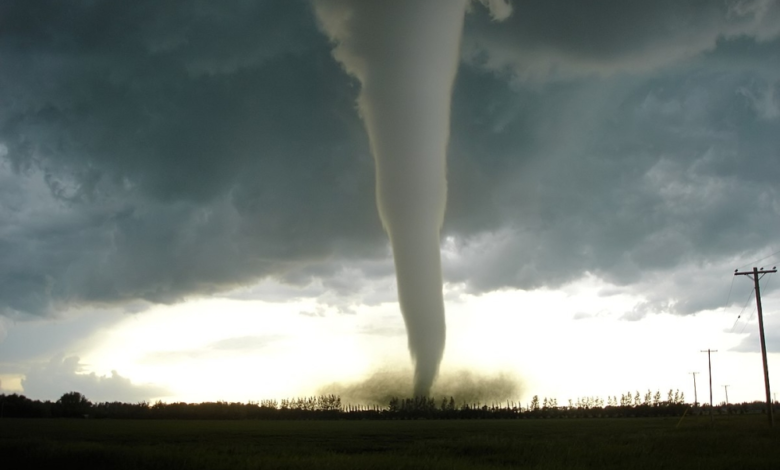

ضرب إعصار جانجمي، سادس عاصفة استوائية في الموسم، مناطق جنوب اليابان، وتحديداً محافظة أوكيناوا، مما تسبب في حالة من الاضطراب الواسع شملت إلغاء مئات الرحلات الجوية وانقطاع التيار الكهربائي عن آلاف المنازل. وقد خلّف الإعصار وراءه تسعة مصابين بجروح طفيفة، مع تحركه شمالاً باتجاه جزيرة كيوشو، مثيراً مخاوف من فيضانات وانهيارات أرضية.
تأثيرات إعصار جانجمي المباشرة على البنية التحتية
أوضحت هيئة الإذاعة والتلفزيون اليابانية (NHK) أن السلطات ألغت أكثر من 300 رحلة جوية، معظمها من وإلى جزيرة كيوشو ومحافظة أوكيناوا، مما أثر على آلاف المسافرين. كما تسبب الإعصار في انقطاع واسع للتيار الكهربائي، حيث تأثر ما يقرب من 48 ألف أسرة في محافظتي كاغوشيما وأوكيناوا، مما استدعى جهوداً مكثفة من فرق الطوارئ لإعادة الخدمة في أسرع وقت ممكن. وتُظهر هذه الأرقام التأثير المباشر للعاصفة على الحياة اليومية والبنية التحتية الحيوية في المنطقة.
اليابان في مواجهة موسم الأعاصير السنوي
تأتي هذه العاصفة في وقت حساس، حيث تقع اليابان في مسار الأعاصير النشط في شمال غرب المحيط الهادئ، وتتعرض بانتظام لعواصف قوية خلال موسم الأعاصير الذي يمتد عادةً من يونيو إلى أكتوبر، ويبلغ ذروته في شهري أغسطس وسبتمبر. وتشتهر البلاد بأنظمتها المتطورة للإنذار المبكر وإدارة الكوارث، والتي تلعب دوراً حيوياً في تقليل الخسائر البشرية والمادية. ومع ذلك، لا تزال الأعاصير القوية تشكل تحدياً كبيراً للبنية التحتية والقطاعات الاقتصادية مثل الزراعة والسياحة والنقل، مما يضع السلطات في حالة تأهب دائم خلال هذه الفترة من العام.
تحذيرات الأرصاد الجوية والمسار المتوقع
أصدرت وكالة الأرصاد الجوية اليابانية تحذيرات مشددة للسكان في المناطق المتأثرة، داعية إلى توخي أقصى درجات الحذر من الرياح العاتية والأمواج المرتفعة. وحذرت الوكالة من مخاطر حدوث انهيارات أرضية وفيضانات في المناطق المنخفضة، خاصة مع توقع هطول أمطار غزيرة. وبحسب آخر التحديثات، كان الإعصار يتحرك بسرعة تقارب 35 كيلومتراً في الساعة، مصحوباً برياح تصل سرعتها إلى 126 كيلومتراً في الساعة، متجهاً نحو جزيرة كيوشو، ثالث أكبر جزر اليابان. من المتوقع أن يستمر تأثير الإعصار على غرب اليابان خلال الساعات القادمة قبل أن يضعف تدريجياً. وتظل السلطات المحلية في حالة تأهب قصوى، مع استمرار مراقبة مسار العاصفة وتقديم التوجيهات للمواطنين لضمان سلامتهم. ويعكس هذا الحدث مرة أخرى التحدي المستمر الذي تواجهه اليابان في التعامل مع الظواهر الجوية المتطرفة، وأهمية الاستعداد الدائم لمواجهتها.