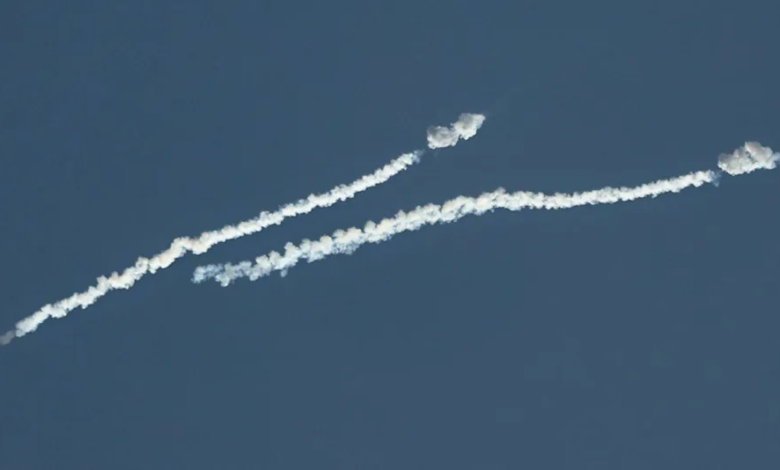

مقدمة: تصدي الإمارات والبحرين للتهديدات الجوية
في ظل التوترات الأمنية التي تشهدها منطقة الشرق الأوسط، تواصل دولة الإمارات العربية المتحدة ومملكة البحرين تعزيز قدراتهما الدفاعية للتعامل مع موجات جديدة من الطائرات المسيّرة (الدرونز) المعادية. تعكس هذه التطورات التحديات الأمنية المستمرة التي تواجه دول مجلس التعاون الخليجي، وتبرز في الوقت ذاته الكفاءة العالية لأنظمة الدفاع الجوي في كلا البلدين في تحييد هذه التهديدات وحماية المدنيين والبنية التحتية الحيوية.
السياق التاريخي والخلفية الأمنية
شهدت السنوات القليلة الماضية تصعيداً ملحوظاً في استخدام الطائرات بدون طيار والصواريخ الباليستية من قبل الجماعات المسلحة في المنطقة، وعلى رأسها الميليشيات المدعومة خارجياً في اليمن. ففي أوائل عام 2022، تعرضت دولة الإمارات لعدة هجمات إرهابية باستخدام طائرات مسيرة وصواريخ، والتي تمكنت القوات المسلحة الإماراتية من اعتراضها وتدميرها بنجاح. وتأتي هذه الهجمات في سياق حرب غير متكافئة تهدف إلى زعزعة استقرار المنطقة والتأثير على مسار الملاحة الدولية وإمدادات الطاقة العالمية. من جهتها، تقف مملكة البحرين صفاً واحداً مع شقيقاتها في دول الخليج، وتعمل باستمرار على تطوير منظوماتها الرادارية والدفاعية لرصد أي اختراقات جوية والتعامل معها بحزم وفعالية.
أهمية الحدث والتأثيرات المتوقعة
التأثير المحلي والإقليمي
على الصعيد المحلي، يؤكد نجاح الإمارات والبحرين في التصدي لهذه الموجات المعادية على جاهزية القوات المسلحة ويقظتها التامة. هذا النجاح يبعث برسالة طمأنة للمواطنين والمقيمين والمستثمرين بأن الأجواء آمنة ومحمية بأحدث التقنيات العسكرية، مثل منظومات “باتريوت” و”ثاد” الدفاعية المتقدمة. إقليمياً، تعزز هذه الأحداث من ضرورة التكامل الدفاعي بين دول مجلس التعاون الخليجي، وتدفع نحو تسريع الجهود المشتركة لإنشاء مظلة دفاع جوي إقليمية موحدة قادرة على التعامل مع التهديدات العابرة للحدود بكفاءة عالية.
التأثير الدولي والاقتصادي
دولياً، تحظى هذه التطورات باهتمام بالغ من قبل المجتمع الدولي، نظراً للأهمية الاستراتيجية والاقتصادية لدول الخليج العربي. أي تهديد لأمن الإمارات أو البحرين يُعد تهديداً مباشراً لأمن الطاقة العالمي وخطوط التجارة الدولية. ولذلك، طالما قوبلت هذه الهجمات بإدانات واسعة من قبل الأمم المتحدة والولايات المتحدة والاتحاد الأوروبي، مع تأكيد الدعم الكامل لحق دول الخليج في الدفاع عن سيادتها وأراضيها. كما أن استمرار هذه التهديدات يدفع الدول الكبرى لتعزيز تعاونها العسكري والاستخباراتي مع دول المنطقة لضمان استقرار الأسواق العالمية.
الخلاصة
إن التعامل الناجح لدولة الإمارات ومملكة البحرين مع الطائرات المسيرة المعادية ليس مجرد رد فعل تكتيكي، بل هو جزء من استراتيجية شاملة لردع الإرهاب وحماية المكتسبات الوطنية. ومع استمرار التحديات، تظل دول الخليج ملتزمة بتطوير قدراتها العسكرية والدبلوماسية لضمان مستقبل آمن ومستقر للمنطقة بأسرها، مؤكدة أن أمنها خط أحمر لا يمكن التهاون فيه بأي شكل من الأشكال.