UAE Foreign Ministry: We are facing Iranian aggression and we reserve the right to respond

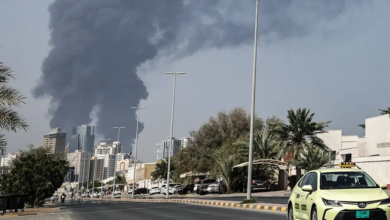
In a firm stance reflecting the gravity of the current situation, the UAE Ministry of Foreign Affairs announced that the country had responded to what it described as a "brutal" Iranian attack. In an official statement, the Ministry affirmed that the United Arab Emirates reserves its full and legitimate right to self-defense and to protect its sovereignty, territory, and citizens against any threat to its national security. This announcement marks a pivotal turning point in regional relations, emphasizing that the security of the UAE is a red line that cannot be crossed.
In a related context, the Ministry clarified that this attack not only constitutes a violation of the state's sovereignty but also a blatant breach of international laws and norms, including the UN Charter, which guarantees states the right to self-defense. Diplomatic sources indicated that the UAE will take all necessary measures through international diplomatic and legal channels to document this attack and hold those responsible accountable, calling on the international community to uphold its responsibilities in maintaining international peace and security.
Regional context and historical background
These developments come amid a complex regional environment in the Arabian Gulf, a region long at the center of geopolitical tensions due to its strategic importance as a major global energy source and a vital corridor for international trade. The UAE and other GCC states have consistently called for respect for the principles of good neighborliness and non-interference in the internal affairs of other countries, but the recurring incidents and tensions point to ongoing challenges to the region's stability.
Strategic importance and expected impacts
This event has implications that extend beyond the local level, as observers are concerned about the impact of such attacks on the stability of global energy supplies and freedom of navigation in vital waterways like the Strait of Hormuz. This escalation is expected to cast a shadow over global markets, potentially leading to fluctuations in oil prices and a state of anticipation in international economic circles.
Internationally, this event is likely to elicit widespread reactions from major powers and international organizations, which often, in such circumstances, call for de-escalation and restraint to prevent the region from sliding into wider conflicts that could have disastrous consequences. The UAE, through its statement, affirms that while it maintains its right to respond and defend itself, it remains a peace-loving nation that always strives to promote stability, but not at the expense of its dignity and national sovereignty.