The Islamic Alliance concludes its integration program in Nairobi with 6 key themes

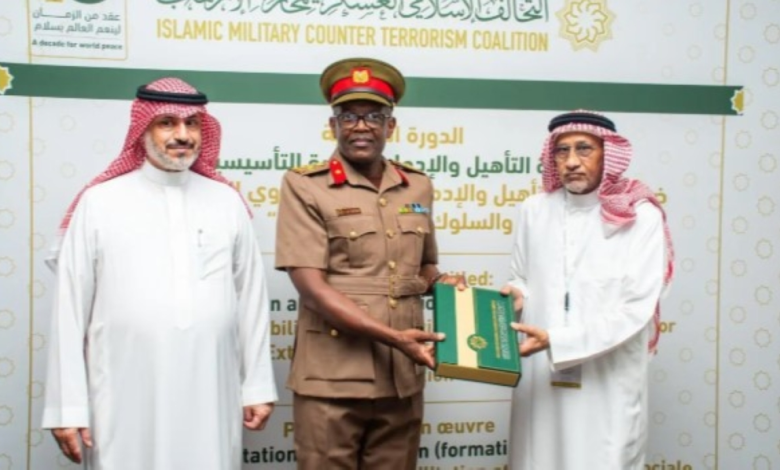
The Islamic Military Counter Terrorism Coalition (IMCTC) concluded its specialized training program, “Integration,” in Nairobi, Kenya. The program, aimed at enhancing the capabilities of specialists in rehabilitation and social integration, is part of a series of strategic initiatives led by the Coalition to address the root causes of violent extremism. The closing ceremony was attended by Brigadier General Joel Karimi, Deputy Chief of Military Intelligence of the Republic of Kenya, and a select group of experts and specialists from member states.
Strategic context and leading role of the alliance
The convening of this program in Kenya clearly demonstrates the pivotal role played by East African countries in the regional security architecture and the importance of international cooperation in addressing transnational security challenges. The Islamic Military Counter Terrorism Coalition, headquartered in Riyadh, operates according to a comprehensive strategy that extends beyond military solutions to include ideological and media counterterrorism efforts and combating the financing of terrorism. The “Integration” program is a practical embodiment of the coalition’s ideological foundation, focusing on the post-security confrontation phase: the rehabilitation of individuals influenced by extremist ideology to ensure they do not return to violence.
6 key pillars for creating change
Over five days of intensive work, the program focused on building the cognitive and professional capacities of the participants through six main themes that formed the scientific structure of the course:
- Establishing the concepts of rehabilitation and social integration in accordance with international standards.
- The framework explains the model for effective rehabilitation programs.
- Clarifying the principles of designing rehabilitation programs to suit different local environments.
- To delve deeper into understanding the nature of the crime of terrorism and its psychological and social motives.
- Establishing the scientific basis for rehabilitation and integration processes.
- Discussing the practical challenges facing the formulation and implementation of these programs.
Quality expertise and scientific approaches
The program was distinguished by the participation of a select group of Saudi and international experts in the fields of psychology, sociology, and countering extremism, lending a rigorous and scholarly character to the sessions. The training was led by Dr. Nasser Al-Arifi, an expert in clinical and criminal psychology, and Dr. Abdulrahman Asiri, a specialist in extremism issues, along with Dr. Mansour bin Saeed Al-Qarni, Director of the Intellectual Department at the Alliance, and Dr. Yahya Abu Mughayth, the program's academic supervisor. The lecturers employed interactive discussion sessions and practical applications, along with pre- and post-assessments to measure the acquired knowledge.
The importance of training in the international security system
The importance of the “Integration” program lies in its timing and focus, as the world today faces major challenges in dealing with those returning from conflict zones or influenced by extremist propaganda. Rehabilitation and reintegration programs are the last and most crucial line of defense for ensuring sustainable security and social peace. Security approaches alone may succeed in temporarily neutralizing the threat, but intellectual, psychological, and social treatment is essential to dismantling the ideological structure of extremism.
At the end of the program, certificates were handed to the trainees with an emphasis on the need to transfer these experiences to their national institutions, in order to develop local strategies capable of balancing strict security requirements with the humanitarian and social considerations necessary for the success of the integration process.