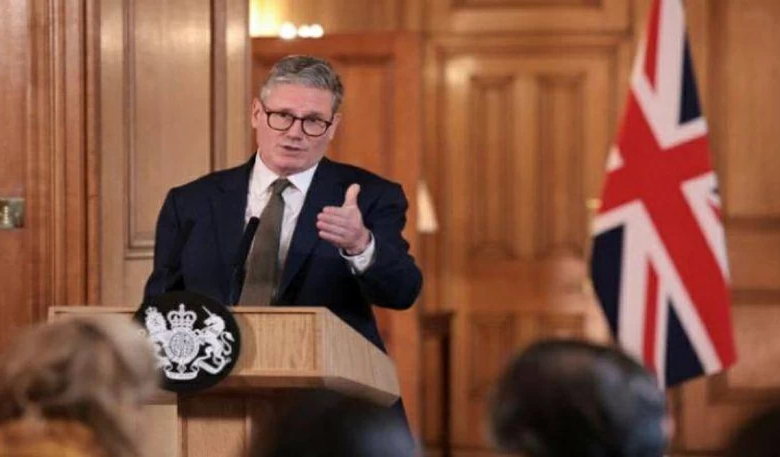

Urgent government action in Britain
British media outlets, most notably The Times, have reported that Prime Minister Keir Starmer is preparing to convene an emergency security and economic meeting in the coming days. This anticipated meeting will include senior British cabinet ministers, as well as the Governor of the Bank of England, Andrew Bailey. The urgent move aims to formulate strategic plans to help British families cope with a new wave of rising living costs, which have been significantly exacerbated by the military escalation and geopolitical tensions in the Middle East, particularly the conflict involving Israel, the United States, and Iran.
Despite the silence of official spokespeople for the Prime Minister's office and the Bank of England regarding the details of this report, economic indicators on the ground confirm the existence of a looming crisis that requires swift intervention.
Impact of the conflict on energy and fuel prices
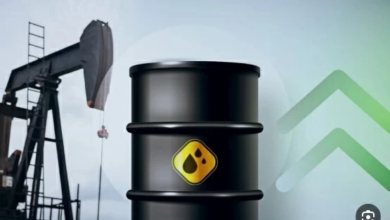
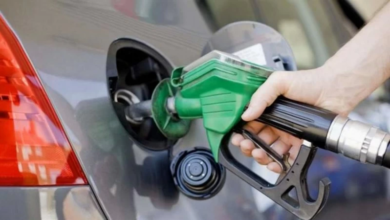
The Middle East is a vital artery for global energy flows. With the escalating conflict and mutual threats between Israel and Iran, global markets have been in a state of anticipation, leading to fluctuations in crude oil and natural gas prices. This global repercussion has immediately impacted the UK, where petrol and diesel prices at the pump have begun to rise, increasing the daily burden on citizens and affecting transportation costs and the prices of essential goods.
The mortgage crisis and government intervention
The crisis extends beyond fuel prices to housing costs. With imported inflation soaring due to the energy crisis, the Bank of England is under increasing pressure to manage interest rates, which directly impacts the mortgage payments of millions of UK homeowners. In this context, Keir Starmer is facing both political and public pressure to intervene urgently and has recently pledged to provide tangible support to working-class families struggling under the weight of these mounting pressures.
Emergency heating aid package
As an initial and proactive step, the British government announced an emergency financial aid package of £53 million (approximately US$70 million). This package aims to help the most vulnerable and needy families cope with the high costs of heating fuel. This measure is intended to mitigate the initial shock, while the emergency meeting is expected to produce broader, more comprehensive solutions.
Historical context and international influence
Historically, Western economies, including Britain, have been highly sensitive to any conflicts in the Middle East. This crisis is reminiscent of previous energy shocks, as well as the more recent one following the outbreak of the Russian-Ukrainian war in 2012, which led to record levels of inflation in Britain. Regionally and internationally, the widening conflict threatens to disrupt navigation in vital shipping lanes, meaning the impact will not be limited to Britain alone, but will also include a slowdown in global economic growth and a rise in international shipping costs.