
Anxiety is mounting in economic and political circles within the United Kingdom, fueled by a growing number of reports warning of the fragility of the country's energy security. Recent and alarming data reveals that Britain's current natural gas reserves may only be sufficient to meet domestic demand for a maximum of 48 hours, leaving the country facing dire scenarios should any sudden disruption occur in global supply chains.
Collapse of strategic gas reserves
Figures released by the national gas company show a sharp and worrying decline in storage levels. After reaching nearly 18,000 gigawatt-hours last year, stockpiles have plummeted to around 6,700 gigawatt-hours currently. According to energy experts, this meager amount effectively means that Britain is operating on a "hand-to-mouth" basis in the energy sector, with current stockpiles covering only one and a half to two days of typical winter consumption, in addition to limited quantities of liquefied natural gas.
Why is Britain the weakest link in Europe?
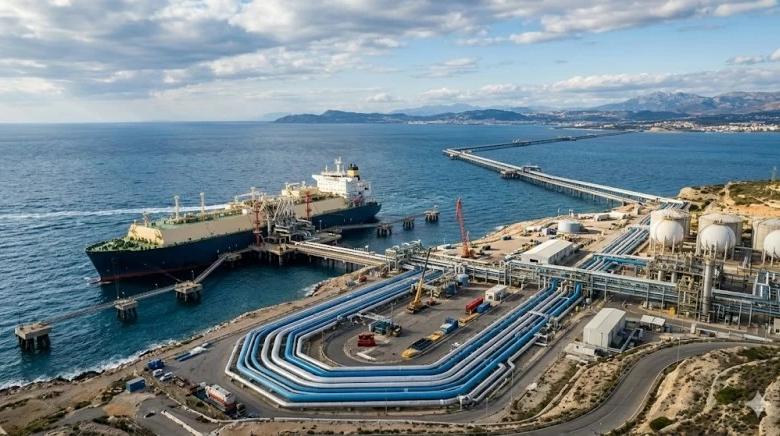
To understand the depth of the crisis, one must consider the structural context of the UK energy sector. Historically, the UK has relied heavily on North Sea fields, and as production from these fields has declined, the government has not invested sufficiently in large-scale storage facilities compared to its continental neighbors. While countries like Germany, France, and Italy have storage capacity sufficient for several months to ensure grid stability, Britain has abandoned some key storage facilities (such as the former RAF facility), making it overly dependent on immediate pipeline imports from Norway or LNG shipments, thus leaving it vulnerable to geopolitical fluctuations.
The consumer pays a hefty bill
This lack of strategic security has had a direct impact on prices. Reports indicate that wholesale gas prices in the UK market are now the highest in Europe, exceeding benchmarks set by the Dutch gas trading hub, TTF. Traders and suppliers are exploiting Britain's urgent need for immediate supplies to impose price premiums, meaning that British businesses and households will bear significant additional costs to ensure continued heating and electricity generation.
Repercussions of tension in the Middle East
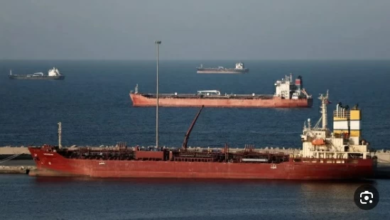
This domestic crisis comes at a highly sensitive global time. Escalating tensions in the Middle East, particularly concerns about the safety of navigation in the Strait of Hormuz, further complicate the situation. The strait is a vital artery through which approximately 20% of global oil and gas trade passes. Any disruption to this waterway, coupled with reports of supply disruptions from major facilities such as Ras Laffan, puts Britain in a very difficult position given its lack of a storage buffer.
Economic warnings of a "living shock"
Economically, the risks extend beyond energy bills. Global economist Mohamed El-Erian has warned that British consumers could face multifaceted pressures. Rising energy prices are a major driver of inflation, which could force the Bank of England to maintain high interest rates for longer, negatively impacting mortgage rates and borrowing costs. With Goldman Sachs warning that oil prices could surpass $100 a barrel, the British economy appears to be facing a significant test of its resilience to external shocks.