The Shura Council calls for two strategic transportation projects: the Jubail-Qassim road and the coastal railway

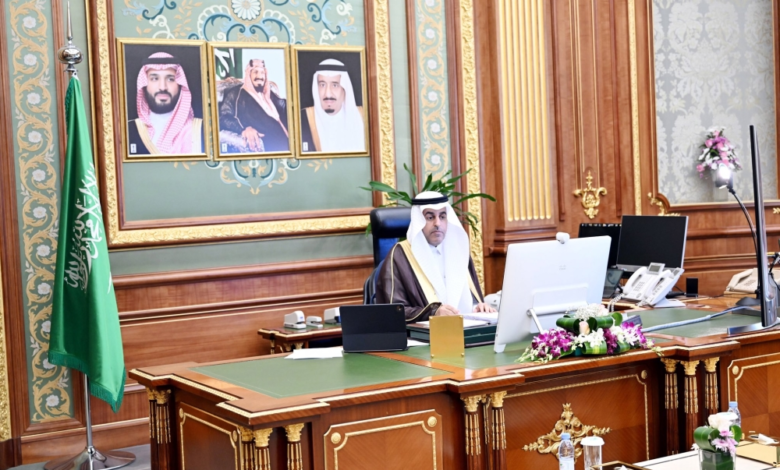
During its 28th regular session, the Saudi Shura Council reiterated its demand for the Ministry of Transport and Logistics to expedite the implementation of several strategic projects that are vital to the national transportation network. These include commencing work on the Jubail-Qassim highway project and conducting a feasibility study for a coastal railway along the Red Sea coast. These demands were made during the discussion of the Ministry's annual report and underscore the critical importance of these projects in achieving the goals of the Kingdom's Vision 2030.
Jubail-Qassim Road: An economic artery linking the East to the Central region
The Jubail-Qassim road project is of paramount strategic importance to the Saudi economy. It will directly connect Jubail Industrial City, the largest petrochemical hub in the Middle East located on the Arabian Gulf coast, with the Qassim region, considered the Kingdom's breadbasket and a vital logistics center in the heart of the country. This direct link will significantly reduce the distance and time required to transport goods, industrial products, and raw materials, thereby lowering operational costs and enhancing the efficiency of supply chains. The road will also support domestic trade and facilitate the flow of exports from Jubail factories to various regions of the Kingdom and, from there, to global markets via the integrated road network.
The coastal train: A future vision for tourism, Hajj and Umrah
The call to study the feasibility of establishing a coastal railway on the Red Sea aligns with the major transformations underway along the Kingdom’s western coast. This project is seen as a key enabler for mega tourism projects such as NEOM, the Red Sea Project, and AMAALA, as it will provide a sustainable and environmentally friendly mode of transportation for tourists and residents along the coast. Furthermore, the railway will play a pivotal role in serving pilgrims performing Hajj and Umrah by connecting King Abdulaziz International Airport in Jeddah with the holy sites and other coastal cities, complementing the Haramain High-Speed Railway network. Economically, the project will enhance the movement of goods between major Red Sea ports, such as Jeddah Islamic Port and King Abdullah Port, supporting the Kingdom’s ambition to become a global logistics hub.
Strategic importance and expected impact
The implementation of these two projects will have an impact not only on the transport sector but also on all economic and development sectors. Locally, these projects will contribute to creating new job opportunities, developing the regions along their routes, and improving the quality of life for citizens and residents. Regionally and internationally, strengthening the logistics infrastructure will solidify the Kingdom's position as a pivotal link between Asia, Europe, and Africa, and increase its attractiveness to foreign direct investment, which directly aligns with the objectives of the National Transport and Logistics Strategy and the ambitious Vision 2030.