
British warnings of the economic repercussions of a war with Iran
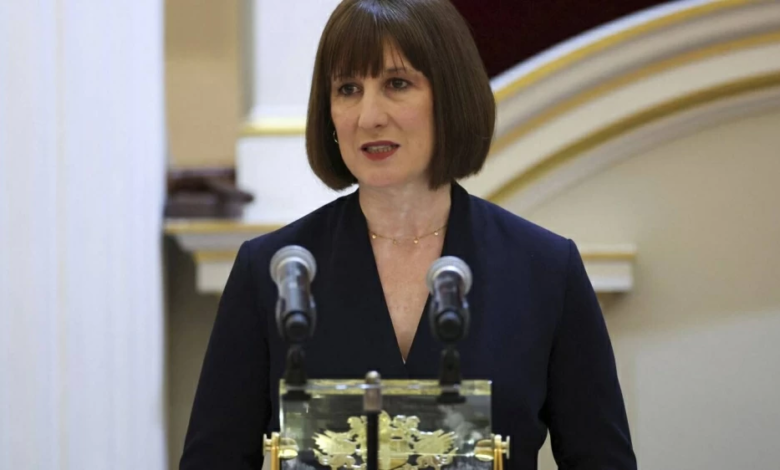
Amid escalating geopolitical tensions in the Middle East, the British government has issued strong warnings about the potential negative repercussions on the global and domestic economies. Chancellor of the Exchequer Rachel Reeves cautioned that the economic fallout from any escalation or war involving Iran could be significant and directly impact global markets, while pledging to take all necessary measures to protect the British economy and act in the best interests of its citizens.
General context and historical background of energy crises
Historically, the Middle East has been a vital artery for global energy flows. Any threat to the stability of this region, particularly strategic waterways like the Strait of Hormuz through which a significant portion of the world's oil supply passes, immediately triggers shocks in energy prices. Global markets recall the oil crises of the 1970s and how regional conflicts led to stagflationary waves that crippled major economies. In the current context, these British warnings come at a time when the global economy is still recovering from the repercussions of the COVID-19 pandemic and the Russia-Ukraine war, which reshaped the map of European energy security, making markets highly sensitive to any new conflict.
The UK Treasury's position and inflation forecasts
During her address to the British House of Commons (Parliament), Reeves emphasized that dealing with this crisis requires adapting to a changing world and acting responsibly in the national interest. She stressed that this is not a war we started, nor one we joined, but its repercussions have created a new reality that must be addressed decisively. She noted that oil and gas prices remain high since her last briefing to Parliament. In this regard, the Bank of England forecasts that the country's inflation rate could range between 3% and 3.5% in the coming weeks, placing further pressure on citizens' purchasing power and increasing production costs for businesses.
Expected impact: locally, regionally, and internationally
At the international and regional levels , any outbreak of a full-blown conflict would disrupt supply chains and increase shipping and marine insurance costs, threatening to slow global economic growth. Therefore, the Treasury Secretary explained that the first step in addressing these challenges is global cooperation, emphasizing that a swift de-escalation of this conflict remains the best way to protect families and businesses worldwide.
Domestically of living. To mitigate this impact, Reeves announced a package of additional measures, welcoming the decision to release strategic petroleum reserves to alleviate immediate pressure on domestic supplies and prices.
Energy security strategy: towards sustainability and alternatives
To ensure Britain is not left at the mercy of external geopolitical fluctuations, the government has promoted massive investments in the renewable energy sector to bolster national energy security. Reeves stated, "We must ensure that our domestic oil and gas industry can meet our needs and also play a pivotal role in our energy system for decades to come." She also unveiled ambitious plans to accelerate the expansion of nuclear power projects as a sustainable and reliable alternative.
To ensure the implementation of this strategic vision, the minister stated that the government is working on developing innovative options to support vital energy projects, including providing financial compensation in the event that planning approvals for those projects are legally challenged, justifying this by saying: “So that we do not waste a single moment in protecting our energy security.”.
Supporting British families in the face of the rising cost of living
These warnings and strategic measures coincide with urgent moves at the highest political levels in Britain. Reeves's remarks followed an unprecedented announcement by Prime Minister Keir Starmer that the government is seriously considering providing direct financial support to households to cover their high energy bills until the end of the year. This step reflects a deep understanding of the scale of the economic challenges posed by international tensions and underscores the government's commitment to easing the burden on British citizens amidst these global economic storms.