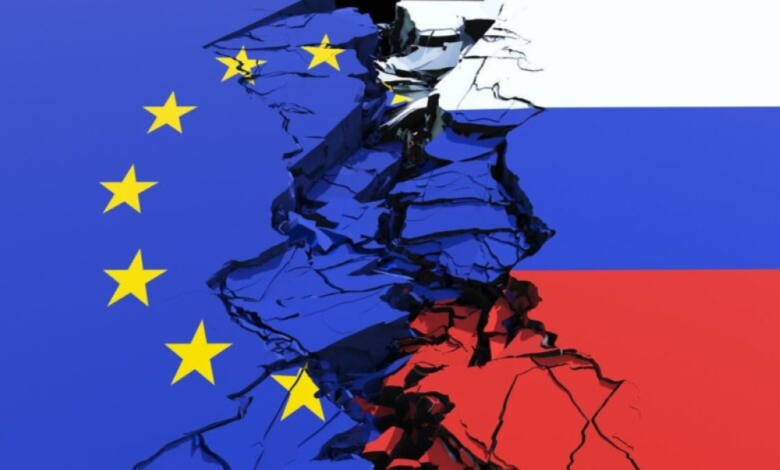

في تصريح يعكس حجم التوترات المتصاعدة على الساحة الدولية، حذر رئيس الوزراء البريطاني، كير ستارمر، من أن روسيا قد تشن هجوماً على حلف شمال الأطلسي “الناتو” بحلول عام 2030. هذا التحذير، الذي يأتي في وقت حرج للعلاقات بين الغرب وموسكو، يؤكد على ضرورة استعداد المملكة المتحدة وحلفائها لمواجهة ما وصفه ستارمر بـ “الحقبة الأكثر خطورة وضبابية” في تاريخنا الحديث، مشدداً على أن الاستعداد لمواجهة سيناريو الهجوم الروسي على الناتو لم يعد ترفاً بل ضرورة استراتيجية ملحة.
خلفيات التحذير: تغير المشهد الأمني في أوروبا
لم تأتِ هذه التحذيرات من فراغ، بل هي نتيجة مباشرة للتغيرات الجذرية التي طرأت على المشهد الأمني الأوروبي منذ الغزو الروسي لأوكرانيا عام 2022. لقد حطمت هذه الحرب عقوداً من الاستقرار النسبي في القارة، وأعادت رسم خريطة التحالفات والتهديدات. رداً على ذلك، عزز حلف الناتو وجوده العسكري بشكل كبير على جانبه الشرقي، من دول البلطيق شمالاً إلى رومانيا وبلغاريا جنوباً، في أكبر حشد دفاعي منذ نهاية الحرب الباردة. كما أدى العدوان الروسي إلى توسع تاريخي للحلف بضم فنلندا والسويد، مما أطال حدود الناتو المباشرة مع روسيا بشكل كبير، وهو ما تعتبره موسكو استفزازاً مباشراً.
بريطانيا تستعد: تفاصيل خطط الدفاع وموعد الهجوم الروسي على الناتو
أكد ستارمر أن حكومته تأخذ هذه التهديدات على محمل الجد، وتعمل على تطوير قدراتها العسكرية لتكون مستعدة لأي احتمال. وتستند تقديرات عام 2030 إلى تقارير استخباراتية بريطانية وأخرى مشتركة مع دول الحلف، والتي تشير إلى أن روسيا قد تستغرق السنوات القليلة المقبلة لإعادة بناء قدراتها العسكرية التي استُنزفت في أوكرانيا، قبل أن تكون قادرة على تحدي الناتو مباشرة. وأضاف ستارمر: “ليس من باب المبالغة التأكيد أننا نعيش في حقبة خطيرة، ومن مسؤولية حكومتي أن تكون جاهزة”. وتأتي تصريحاته لتعزز تحذيرات سابقة أطلقها مسؤولون في الناتو، والذين أكدوا أن على الحلف الاستعداد لمواجهة قد تمتد لسنوات.
وضمن خططها الاستباقية، تعهدت المملكة المتحدة بزيادة إنفاقها العسكري ليصل إلى 2.5% من الناتج المحلي الإجمالي بحلول عام 2027، مع طموح للوصول إلى 3% بعد عام 2029. ومن المقرر أن تعلن الحكومة عن تفاصيل خططها الاستثمارية الدفاعية قبل قمة حلف الناتو المقررة في يوليو، لتحديد أولويات الإنفاق في مجالات حيوية مثل الطائرات المسيرة والأنظمة الدفاعية المستقلة.
أبعاد المواجهة المحتملة وتأثيرها العالمي
إن أي هجوم مباشر على دولة عضو في الناتو سيؤدي إلى تفعيل المادة الخامسة من ميثاق الحلف، والتي تنص على أن أي هجوم على عضو هو هجوم على جميع الأعضاء. هذا السيناريو يعني مواجهة عسكرية مباشرة بين روسيا، قوة نووية كبرى، وتحالف عسكري يضم 32 دولة، بما في ذلك ثلاث قوى نووية (الولايات المتحدة، بريطانيا، وفرنسا). ستكون تداعيات مثل هذا الصراع كارثية، ليس فقط على المستوى العسكري، بل ستمتد لتشمل الاقتصاد العالمي، وأمن الطاقة، والاستقرار السياسي الدولي، مما قد يدخل العالم في دوامة من الفوضى لم يشهدها منذ الحرب العالمية الثانية. لذلك، تركز استراتيجية الناتو الحالية على تعزيز الردع لمنع هذا السيناريو من التحقق.