The closure of the Strait of Hormuz: British reports and a surge in Iranian oil exports

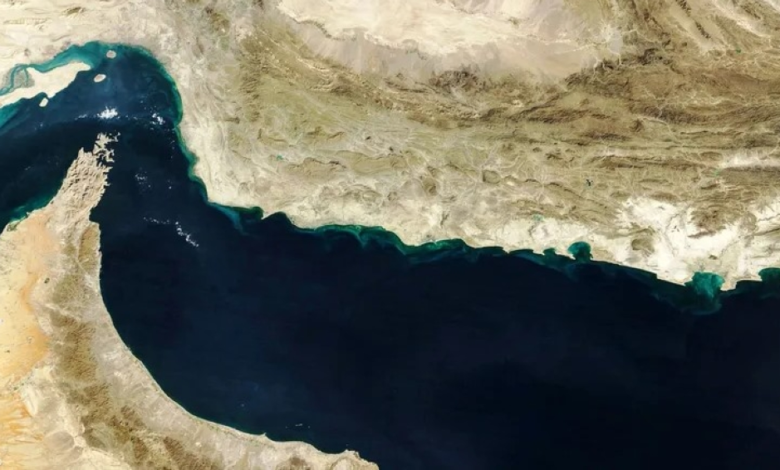
In a significant geopolitical development with serious implications for global energy security, the United Kingdom Maritime Trade Operations (UKMTO) officially announced that it had received notifications of the closure of the Strait of Hormuz in the Arabian Gulf. This announcement further escalates tensions in the region, particularly as it coincides with intensified Iranian activity in the oil sector observed in recent days.
Recent economic reports published by Bloomberg revealed that Iran has tripled its crude oil loadings onto tankers to an unprecedented level. Data from Kpler, a company specializing in ship tracking and shipping, showed that Iranian oil exports from the main Kharg Island terminal saw a significant surge between February 15 and 20. Loads reached approximately 20.1 million barrels, three times the amount loaded during the same period in January.
The significance of the numbers and the timing of the Iranian move
Data indicates that the daily loading rate has reached over 3 million barrels per day, a figure far exceeding Tehran's normal export volume. Observers believe this sudden increase in export activity may be a preemptive move by Iran to deplete its reserves and secure oil revenues before any actual closure of the Strait of Hormuz or military escalation that could disrupt shipping, reflecting strategic planning to address potential crisis scenarios.
The strategic importance of the Strait of Hormuz
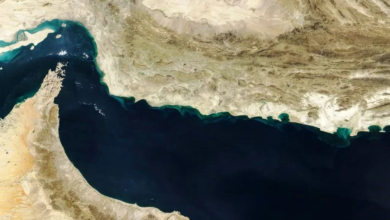
The Strait of Hormuz is the most vital artery in the global energy market, connecting Middle Eastern oil producers with major markets in Asia, Europe, and North America. Approximately one-fifth to one-third of the world's seaborne oil supply, as well as vast quantities of liquefied natural gas, pass through this narrow waterway, which is only 33 kilometers wide at its narrowest point. Therefore, any threat to close it is not merely a regional issue, but a direct threat to the global economy.
Expected repercussions locally and internationally
The veracity of reports regarding the closure of the Strait of Hormuz would undoubtedly send shockwaves through energy markets, with oil prices expected to surge to record highs immediately upon confirmation. This would trigger a new wave of global inflation, impacting transportation and production costs across various sectors. Regionally, this event presents the Gulf states with significant security and economic challenges in ensuring the continued flow of their exports. Internationally, it could necessitate intervention by major powers to guarantee freedom of navigation in this vital waterway, thereby increasing the likelihood of military escalation in the region.