Umm Al-Qura University 2025: 73% growth in scientific research and a global leap

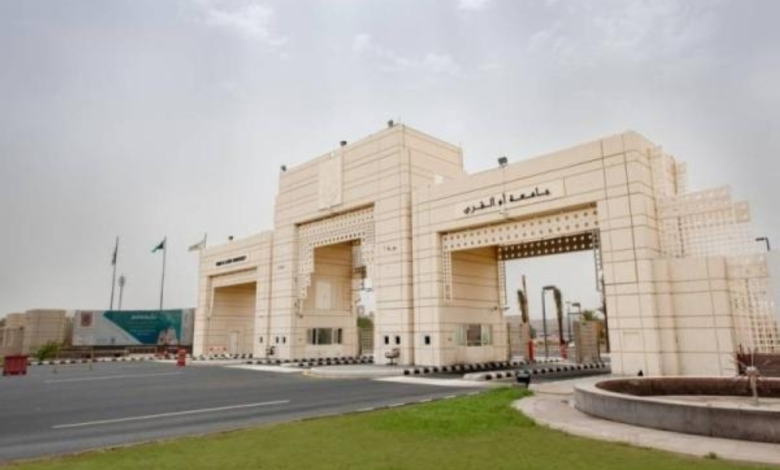
Umm Al-Qura University has achieved an unprecedented academic milestone, making a historic leap in global scientific research indicators for 2025. The university recorded a remarkable growth exceeding 73% in research citation rates via the global database Scopus. This achievement reinforces the Kingdom of Saudi Arabia's position as a leading academic and knowledge center on the international stage and supports the goals of the knowledge economy, a key pillar of the Kingdom's Vision 2030.
Context of the shift towards a knowledge economy
This achievement was not a coincidence, but rather the result of ambitious strategic plans adopted by the university to develop its research and innovation system. This leap forward is particularly significant given the scientific momentum witnessed in Saudi universities, where scientific research is considered the primary driver of sustainable development. Thanks to its strategic location and rich history, Umm Al-Qura University strives to balance Islamic studies, humanities, and applied sciences, making this growth in scientific publications a testament to the comprehensiveness of its academic development and the quality of its educational outcomes, which rival those of leading international universities.
Record numbers in scientific publishing
The digital indicators reflect the significant work being done within the university, with research staff successfully producing 14,136 peer-reviewed scientific papers over the past five years. The year 2025 alone accounted for the lion's share of this output, witnessing the publication of 5,523 indexed research papers, marking a record increase of 56% in scientific production compared to 2021. This continuous growth underscores the direct positive impact of government support and national initiatives directed towards the higher education sector.
Quality of outputs and global impact
The leap wasn't limited to quantity; it also encompassed quality and impact. The number of citations for the university's research rose significantly, jumping from approximately 216,000 to over 374,000 , a clear indication of the scientific credibility and growing global influence of the university's research. In practical terms, reflecting the quality of this output, Q1 journals accounted for the largest share of publications at 39.2%, followed by Q2 journals at 26.8%, meaning that nearly one-fifth of the university's research is ranked among the top 10% globally.
Empowering national talent and innovation
The academic momentum extended to investment in human capital, with the appointment of 882 assistant professors, the promotion of 657 teaching assistants to lecturer status, and the sponsorship of 636 national talents to pursue postgraduate studies at top international universities. In terms of innovation, the educational system culminated its efforts with the registration of 25 patents and leading trademarks, alongside a proactive translation initiative that resulted in 20 scientific books. This reinforces the university's institutional vision of creating a sustainable learning environment based on excellence and innovation.