
تصاعد الدعوات الأممية لوقف الانتهاكات
في ظل تصاعد وتيرة الأحداث الدامية، دعت وكالات تابعة للأمم المتحدة إلى وضع حد فوري وحاسم للإفلات من العقاب على الانتهاكات واسعة النطاق للقانون الدولي الإنساني في منطقة الشرق الأوسط. جاء هذا النداء العاجل بعد أسابيع من اندلاع موجة جديدة من التصعيد العسكري، والتي تضمنت ضربات متبادلة أدت إلى إشعال فتيل أزمة إنسانية غير مسبوقة في المنطقة. وأعرب مديرو هذه الوكالات الأممية في بيان مشترك عن قلقهم البالغ إزاء الاستمرار الممنهج في خرق قوانين الحرب، مشددين على أن حماية المدنيين ليست خياراً بل التزام قانوني وأخلاقي.
السياق العام والخلفية التاريخية للنزاع
تاريخياً، عانت منطقة الشرق الأوسط من صراعات ممتدة لعقود، إلا أن التصعيد الأخير يمثل منعطفاً خطيراً يهدد الاستقرار الإقليمي بأسره. لطالما سعت الأمم المتحدة، مستندة إلى اتفاقيات جنيف والقانون الدولي الإنساني، إلى إرساء قواعد تشترط التمييز بين المقاتلين والمدنيين، وتحظر استهداف البنية التحتية المدنية. ومع ذلك، فإن تكرار النزاعات وتجاهل القرارات الأممية أدى إلى تآكل هذه القواعد، مما جعل المنطقة مسرحاً لانتهاكات متكررة تتطلب تدخلاً دولياً حازماً لإعادة فرض هيبة القانون الدولي.
تداعيات التصعيد الأخير والخسائر البشرية
أكد البيان المشترك، الذي شارك فيه وكيل الأمين العام للأمم المتحدة للشؤون الإنسانية توم فليتشر، إلى جانب مديري وكالات معنية بحقوق الإنسان والصحة والغذاء واللاجئين والأطفال، أن “حتى الحروب لها قواعد، ويجب احترام هذه القواعد”. وأشار البيان إلى إحصائيات مفزعة، حيث قُتل أو جُرح عشرات الآلاف من المدنيين في شهر واحد فقط. كما أُجبر مئات الآلاف على النزوح من منازلهم، وكثير منهم تعرضوا للتهجير مرات عديدة بحثاً عن ملاذ آمن مفقود، في ظل تزايد مستمر في أعداد الضحايا وصعوبة بالغة في الوصول إلى الخدمات الأساسية المنقذة للحياة.
استهداف البنية التحتية وعمال الإغاثة
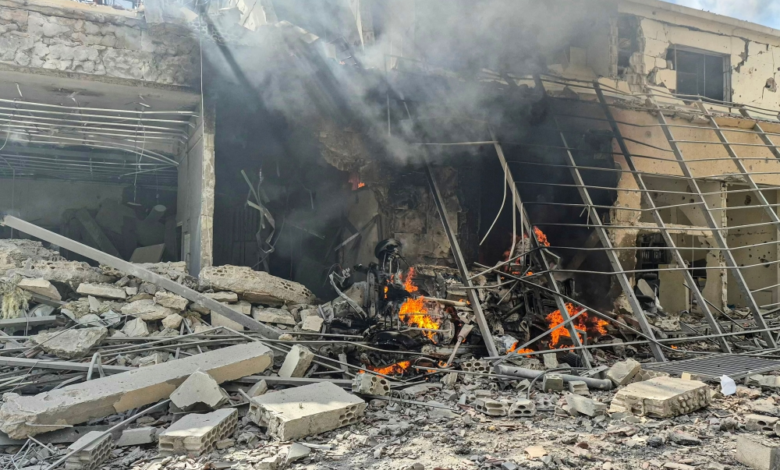
من أشد الانتهاكات التي وثقتها وكالات الأمم المتحدة هو الاستهداف المباشر للقطاعات الحيوية. فقد طالت الهجمات العاملين في المجال الصحي، والمستشفيات، وسيارات الإسعاف، مما أدى إلى انهيار شبه كامل للمنظومة الطبية. كما تضررت المدارس ودُمرت بنى تحتية مدنية حيوية تشمل الجسور، والمباني السكنية، ومرافق مياه الشرب، ومحطات توليد الطاقة. ولم يسلم العاملون في المجال الإنساني من هذه المأساة، حيث سقط العديد من موظفي الإغاثة ضحايا لهذه الحرب أثناء تأدية واجبهم. وأعربت الوكالات عن قلقها العميق إزاء التأثير الكارثي والمضاعف للحرب على الفئات الأكثر ضعفاً، وخاصة النساء والأطفال وذوي الاحتياجات الخاصة.
أهمية الحدث وتأثيره المتوقع
على المستوى المحلي: يؤدي هذا الدمار إلى خلق أجيال تعاني من صدمات نفسية عميقة، فضلاً عن انهيار الاقتصاد المحلي وتفشي الأمراض والأوبئة نتيجة تدمير مرافق المياه والصرف الصحي.
على المستوى الإقليمي: ينذر استمرار هذه الانتهاكات بتوسع رقعة الصراع لتشمل دولاً مجاورة، مما قد يؤدي إلى موجات لجوء جماعية تضغط على اقتصادات وبنى تحتية لدول الجوار التي تعاني أساساً من تحديات اقتصادية.
على المستوى الدولي: يضع هذا الوضع مصداقية المجتمع الدولي ومؤسساته القانونية على المحك. إن الفشل في محاسبة منتهكي قواعد الحرب يشكل سابقة خطيرة قد تشجع على ارتكاب جرائم مماثلة في مناطق أخرى من العالم، ناهيك عن التأثيرات السلبية على حركة التجارة العالمية وأمن الطاقة نتيجة التوترات في هذا الإقليم الحيوي.