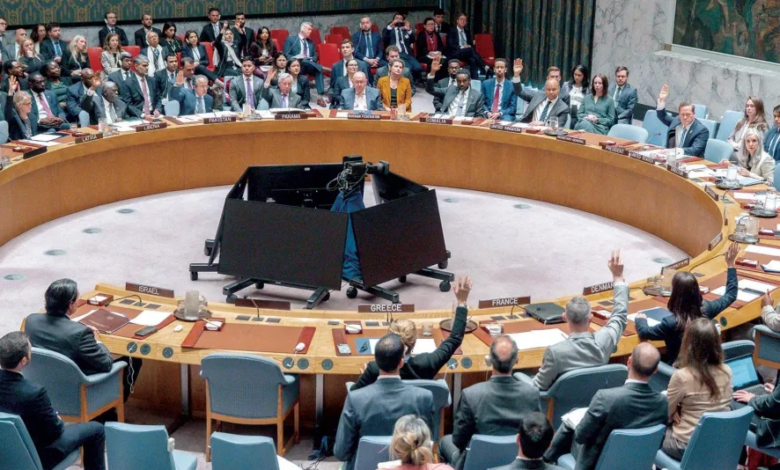
Widespread international condemnation of Iran's attacks on Gulf states and Jordan

Introduction to the international position
Tensions have escalated in the Middle East, prompting the international community to take decisive action. In this context, there has been widespread international condemnation of any Iranian attacks or interventions targeting the sovereignty and security of the Gulf Cooperation Council states and the Hashemite Kingdom of Jordan. These condemnations come at a sensitive time, as the United Nations strives to maintain international peace and security, emphasizing that regional stability is a cornerstone of global and economic stability, and that any infringement upon the sovereignty of neighboring states constitutes a flagrant violation of international law.
General context and historical background of the tensions
Over the past few years, the Middle East has witnessed a series of security tensions directly or indirectly linked to Iranian policies and the activities of armed groups it supports. Vital infrastructure in Gulf states, such as Saudi Arabia and the United Arab Emirates, has been targeted in previous attacks using drones and ballistic missiles, sparking widespread international concern. Similarly, Jordan faces escalating security challenges along its northern and eastern borders, including attempts to smuggle weapons and drugs and the infiltration of drones belonging to proxy militias, posing a direct threat to its national security and internal stability.
The importance of the event and its expected impact locally and regionally
These developments and international stances have profound dimensions and impacts on various levels. Locally and regionally, these condemnations strengthen Arab and Gulf solidarity in confronting common threats and encourage the bolstering of defense systems and the intensification of security and intelligence cooperation among the countries of the region. Furthermore, international and UN support for Jordan reflects a global understanding of the importance of maintaining the Kingdom's stability as a vital element of balance and a bulwark in a region rife with complex conflicts and crises, thus contributing to preventing the spread of chaos to other areas.
International repercussions and global energy security
On the international level, any threat to the security of the Arabian Gulf poses a direct threat to global energy security, maritime navigation, and international trade. The Arabian Gulf contains some of the most strategically important waterways, and any security breach there immediately impacts oil markets and the global economy. Therefore, international condemnation is not limited to diplomatic denunciation; it extends to warnings against the consequences of military escalation, which could drag the region into open conflict, and emphasizes the need to halt the supply of weapons and destabilizing military technology to armed groups.
Summary of the international position
In conclusion, the international condemnation of Iran’s attacks and interference in the affairs of the Gulf states and Jordan underscores that the international community will not tolerate attempts to impose a fait accompli by force of arms or through proxies. The optimal solution remains a return to the negotiating table, respect for the sovereignty of states, and strict adherence to the UN Charter and international laws and norms to guarantee a secure and stable future for all the peoples of the Middle East region.